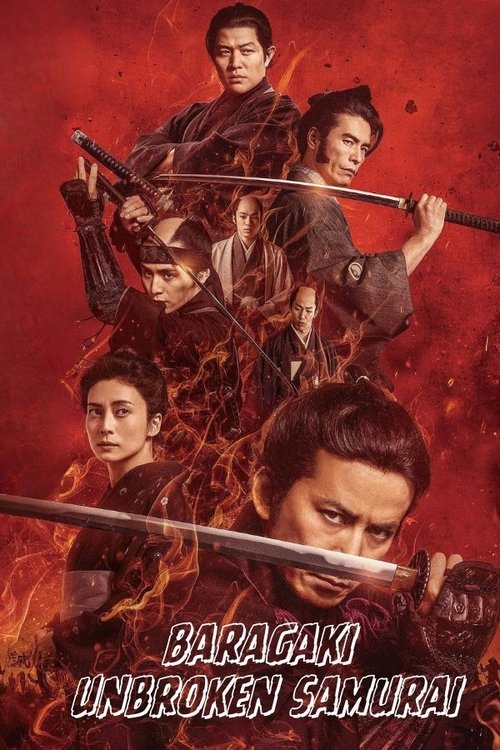
Baragaki: Unbroken Samurai
2021
No user ratings available yet
Representation score: 3.1 out of 10
Representation Score
Limited
2010
Director
Junya Satō
Runtime
137 minutes
Average Rating
No ratings yetNew Showbiz Analysis
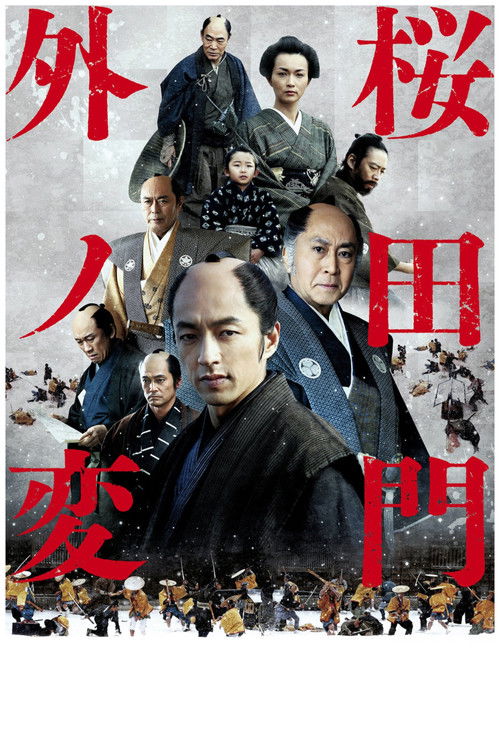
Sakurada Gate Incident is a conventional historical drama that prioritizes period accuracy and traditional power dynamics. The narrative focuses on the political fallout of a specific assassination, centering the story on male-dominated samurai hierarchies and historical duty. Because the film aims for a faithful reconstruction of the Bakumatsu era, it lacks diverse representation. The cast and social structures reflect the homogeneous and patriarchal reality of 19th-century Japan rather than modern diversity standards. Ultimately, the film serves as a traditionalist portrayal of Japanese history. It does not attempt to subvert social hierarchies or introduce diverse identities, resulting in a score that reflects its adherence to historical constraints.
Category Breakdown
The film does not include any explicit LGBTQ+ characters or stories about non-traditional gender identities. There are no themes that challenge traditional gender roles or social norms.
The story focuses on male-dominated political and martial hierarchies, particularly the samurai Seki Tetsunosuke. It adheres to the patriarchal social structures of the Bakumatsu era.
The cast is likely to be ethnically homogeneous to maintain historical authenticity. The narrative prioritizes period accuracy over contemporary demographic diversity.
The film is a traditional reconstruction of historical events. It emphasizes samurai honor and established social hierarchies rather than subversive or secular themes.
There is no information about the inclusion or portrayal of characters with physical or neurodivergent disabilities.
Present on Screen
Limited or Absent
Official Synopsis
Mito Domain Samurai Seki Tetsunosuke must pay the consequences for his role in the assassination of Great Elder Ii Naosuke. Based on true events.
2021
2003
1990
2012
1963

1962

1965
1979
No reviews yet. Be the first to share your thoughts on this movie!
Use the rating form above to leave a star rating and optional review.