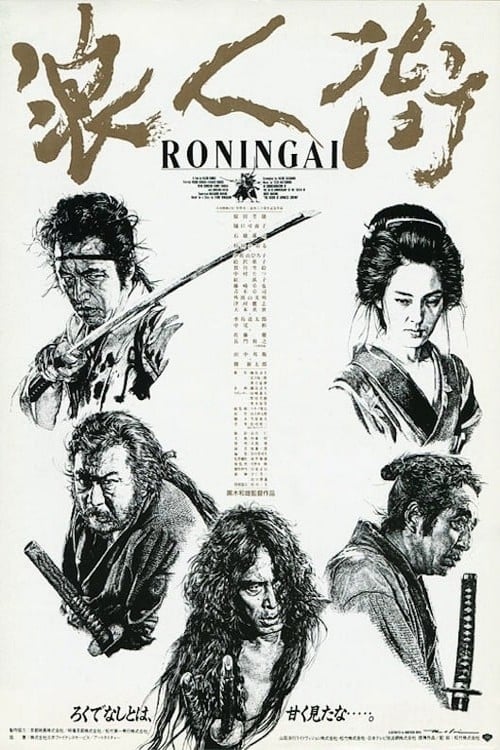
Ronin-gai
1990
No user ratings available yet
Diversity score: 3.4 out of 10
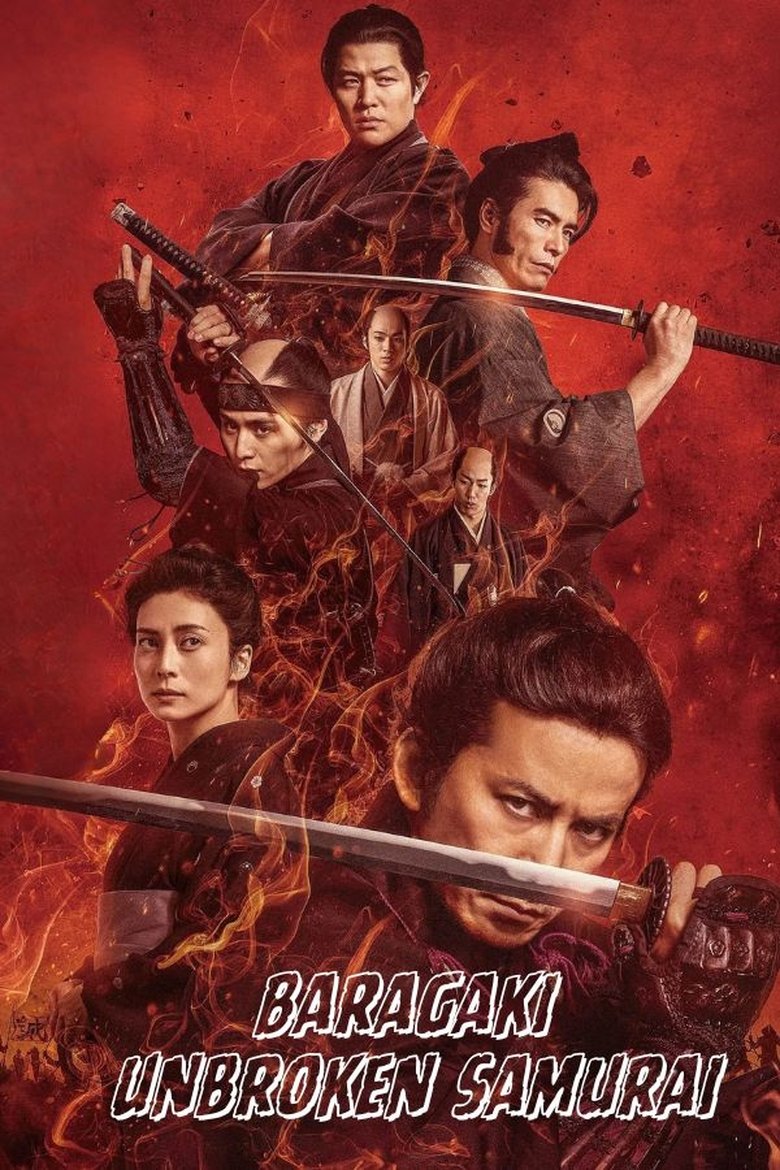
2021
Director
Masato Harada
Runtime
148 minutes
Average Rating
No ratings yetSynopsis
Set in the 19th century, "Moeyo Ken" follows the life of Toshizo Hijikata. He was the vice-commander of the Shinsengumi and fought against the Meiji Restoration.
Overall Score
Limited
Category Breakdown
LGBTQ+ Representation
The film lacks explicit queer romantic arcs or non-cisnormative identities. It prioritizes the rigid, heteronormative social hierarchies characteristic of 19th-century Japan.
Gender Representation
The narrative is heavily weighted toward masculine leadership and martial prowess. Agency is primarily held by male figures within the Shinsengumi paramilitary environment.
Racial & Ethnic Diversity
The cast is ethnically homogeneous, reflecting the specific historical setting of 19th-century Japan. It does not utilize non-Japanese casting to disrupt the period's social constraints.
Religious & Cultural Diversity
The story explores the collapse of the Shogunate and the samurai code. It focuses on the tragedy of a lost cause rather than modern ideological critiques.
Disability Representation
There is no discernible evidence regarding the portrayal of physical or neurodivergent disabilities within the film's historical focus.
Strengths
Areas for Improvement
AI Analysis
Baragaki: Unbroken Samurai operates as a traditional historical epic centered on the life of Toshizo Hijikata. The film adheres strictly to the social and political norms of the Bakumatsu period, prioritizing period-accurate archetypes over modern intersectional representation. The narrative architecture is built around masculine-coded environments and the preservation of a fading social order. While it offers a nuanced look at systemic political shifts, it does not actively seek to disrupt traditional gender or sexual hierarchies. Ultimately, the film's focus remains on the personal agency of its central male figure and the clash of historical systems, resulting in a representation that mirrors the era's inherent social constraints.
1990

2010

1963

1962
No reviews yet. Be the first to share your thoughts on this movie!
Use the rating form above to leave a star rating and optional review.