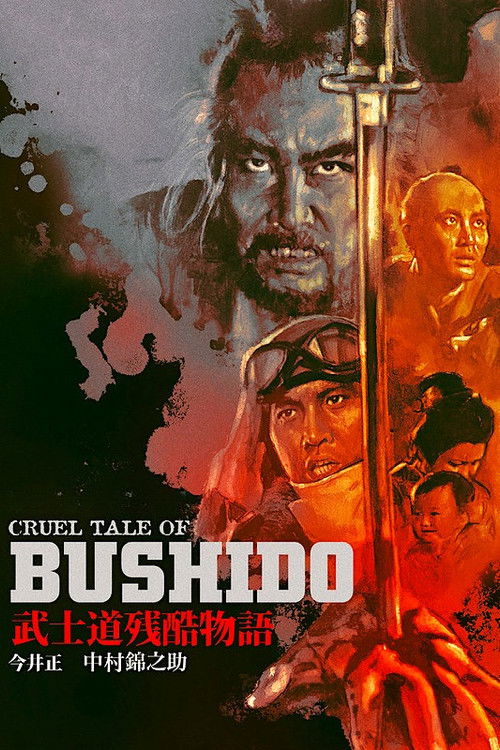
Bushido: The Cruel Code of the Samurai
1963
No user ratings available yet
Representation score: 3.6 out of 10
Representation Score
Minimal
1962
Director
Hiroshi Inagaki
Runtime
207 minutes
Average Rating
No ratings yetNew Showbiz Analysis
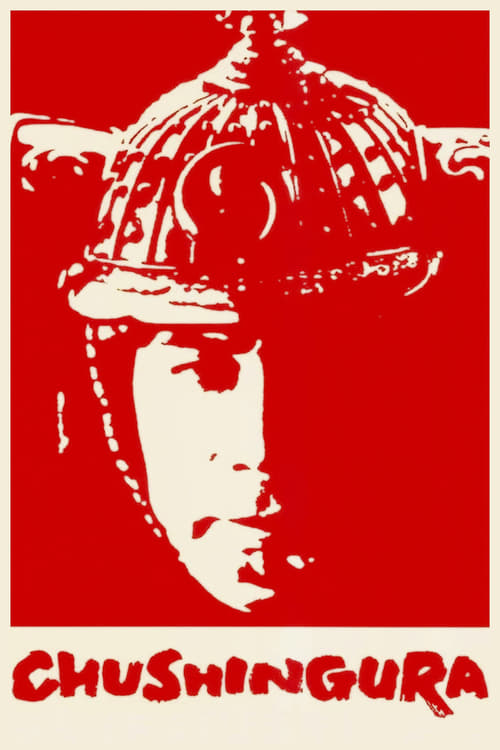
Chûshingura (1962) is a traditionalist historical epic that emphasizes historical authenticity over social disruption. The film carefully recreates the social structures of the Edo period, focusing on the rigid hierarchy of the samurai class and the martial virtues of bushido. While the production achieves remarkable historical accuracy, it reinforces established social hierarchies and traditional gender roles. The narrative structure supports a singular, highly structured moral code, avoiding perspectives that reflect multiple aspects of identity. Ultimately, the film celebrates institutional values and masculine leadership, presenting a culturally specific identity as the universal norm for its universe, with limited room for diverse or non-conforming lived experiences.
Category Breakdown
The film does not include any LGBTQ+ identities or same-sex relationships.
Female characters are mainly portrayed in domestic roles, supporting the male-driven plot of revenge and ritual suicide.
The cast is ethnically uniform, reflecting the historical setting of feudal Japan. It does not offer diverse casting beyond this singular identity.
The film upholds traditional values like bushido and absolute loyalty, emphasizing social hierarchy and ritualized death.
There is no depiction of physical or neurodivergent disabilities. Characters are defined by their physical strength and martial skills.
Present on Screen
Limited or Absent
Official Synopsis
After their lord is tricked into committing ritual suicide, forty-seven samurai warriors await the chance to avenge their master and reclaim their honor.
1963
1955
1990
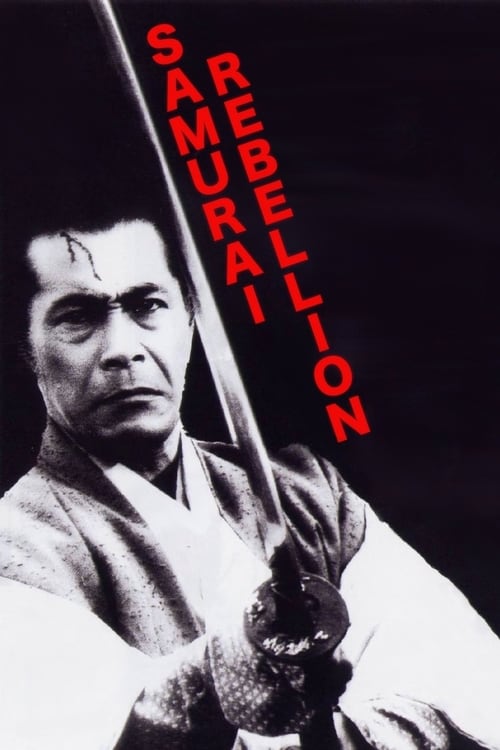
1967
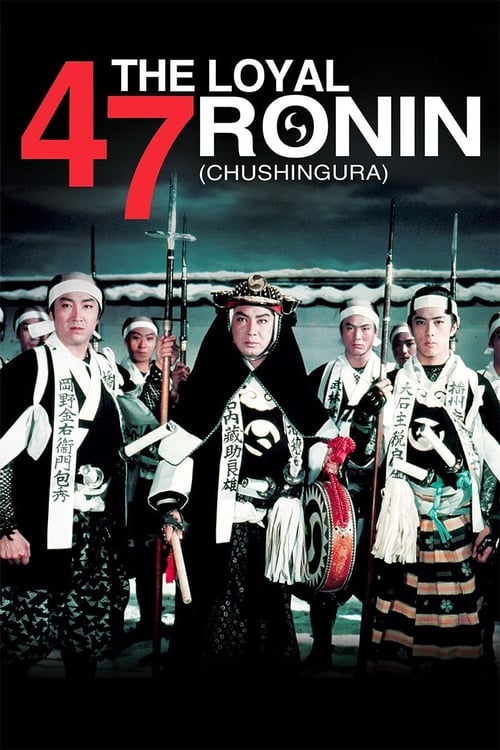
1958
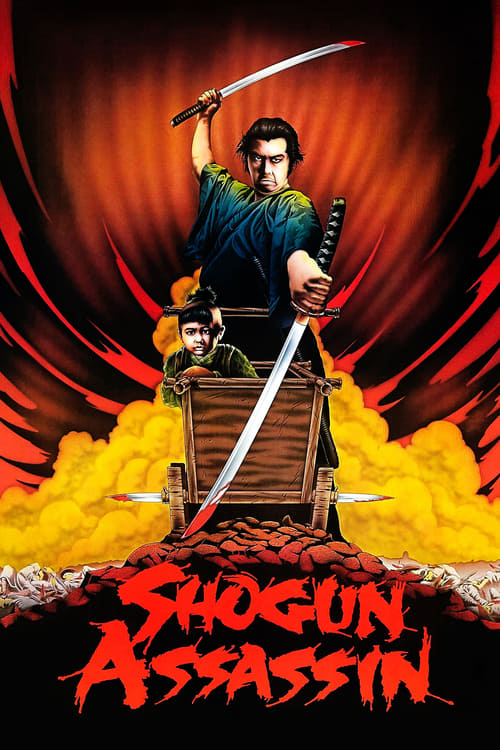
1980
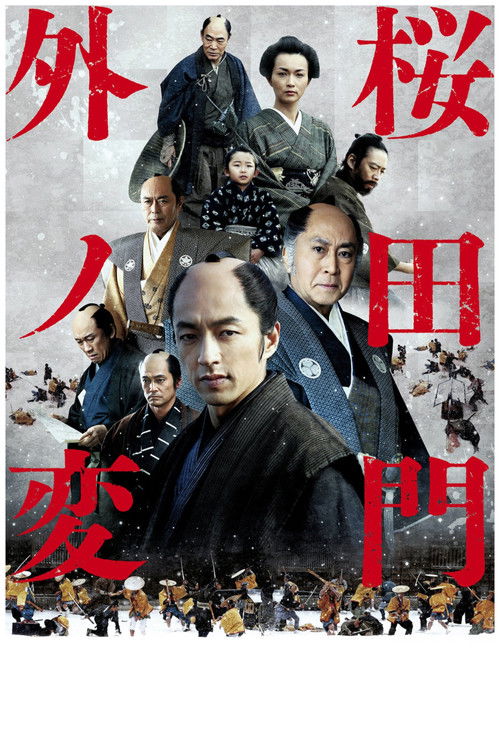
2010
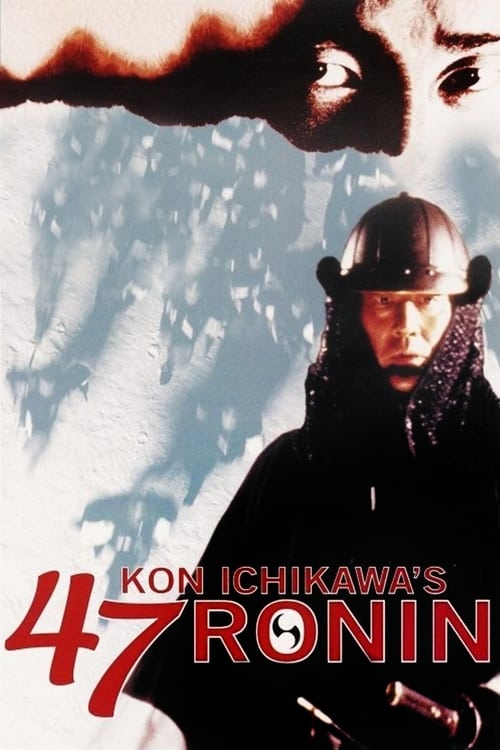
1994
No reviews yet. Be the first to share your thoughts on this movie!
Use the rating form above to leave a star rating and optional review.