Chûshingura
1962
No user ratings available yet
Representation score: 0.6 out of 10
Representation Score
Limited
1992
Director
Hiroshi Teshigahara
Runtime
142 minutes
Average Rating
No ratings yetNew Showbiz Analysis
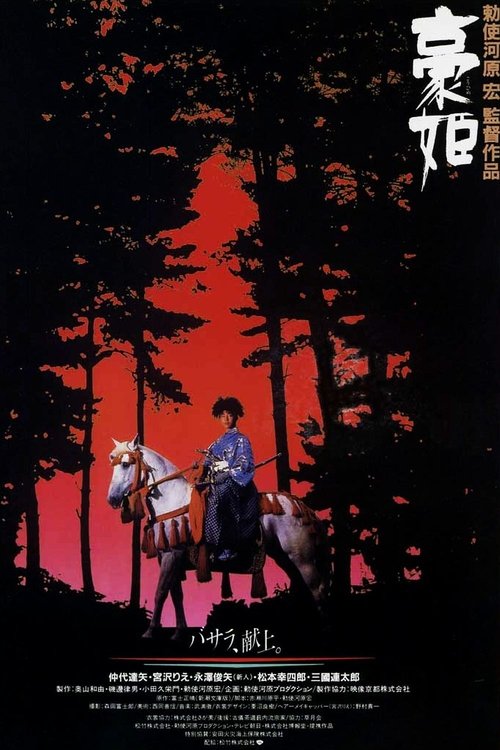
Basara: The Princess Goh is a historical drama that finds its strength in the subversion of patriarchal power. By centering Princess Goh as a proactive agent of defiance rather than a passive observer, the film challenges the rigid social structures of the era. While the film lacks modern markers such as LGBTQ+ or disability representation, it offers a sophisticated look at individual resistance against systemic oppression. The focus on the tea ceremony and the reclamation of dignity provides a deep cultural lens. Ultimately, the film's diversity is found in its thematic depth regarding ability to act and the disruption of traditional hierarchies, even within a historically homogeneous setting.
Category Breakdown
The film focuses on feudal political structures and servant dynamics. There is no evidence of LGBTQ+ identities or same-sex intimacy.
Princess Goh disrupts traditional hierarchies by taking a leading role in driving the story. She initiates a mission of defiance against male authority, challenging the expected submissiveness of female nobility.
The cast is ethnically homogeneous, reflecting the historical reality of Sengoku-period Japan. The film adheres to historical accuracy rather than using diverse casting.
The narrative explores the critique of institutional power through the ritual of tea mastery. It frames state actions as an impetus for rebellion against corrupt authority.
The film provides no evidence regarding the portrayal of physical or neurodivergent disabilities.
Present on Screen
Limited or Absent
Official Synopsis
Furuta Oribe is ordered to become tea master under Toyotomi Hideyoshi after his teacher Sen no Rikyū, the former tea master, was ordered to commit suicide. Princess Goh, daughter of the lord but adopted by Hideyoshi, is outraged when Rikyū's severed head is thrown in the Nijo River. She sends Usu, Oribe's servant, to retrieve the head and deliver it to Rikyū's adopted daughter.
1962
1967
1961
1957
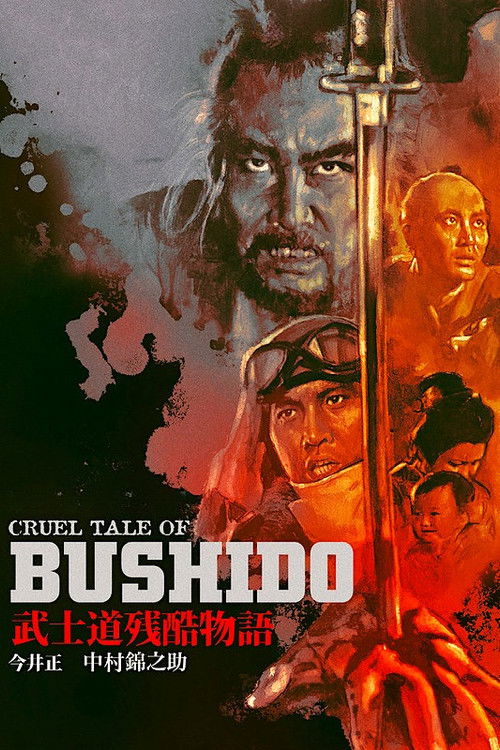
1963
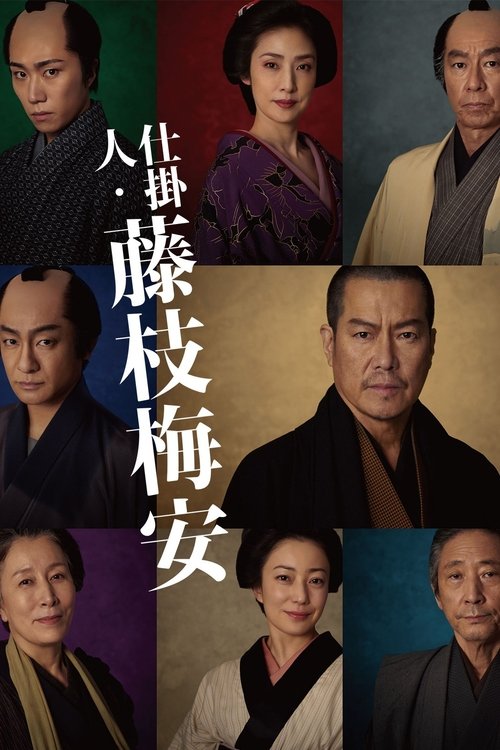
2023
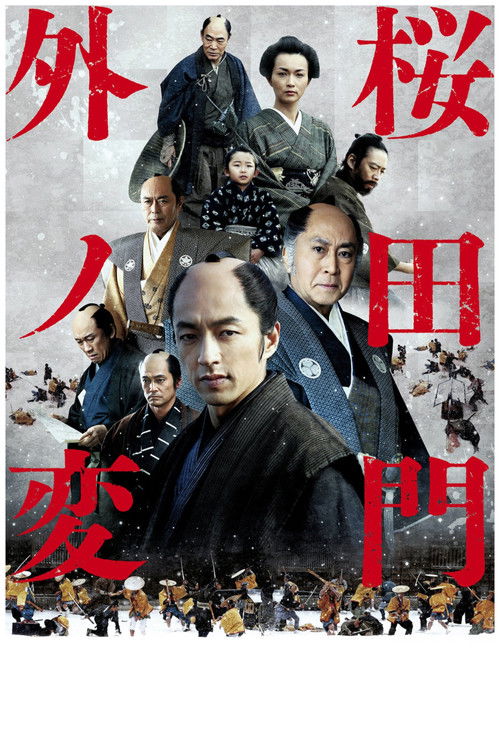
2010
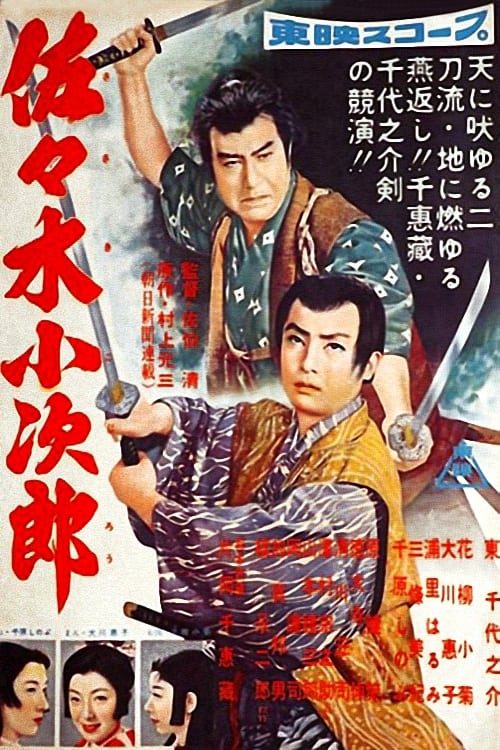
1957
No reviews yet. Be the first to share your thoughts on this movie!
Use the rating form above to leave a star rating and optional review.