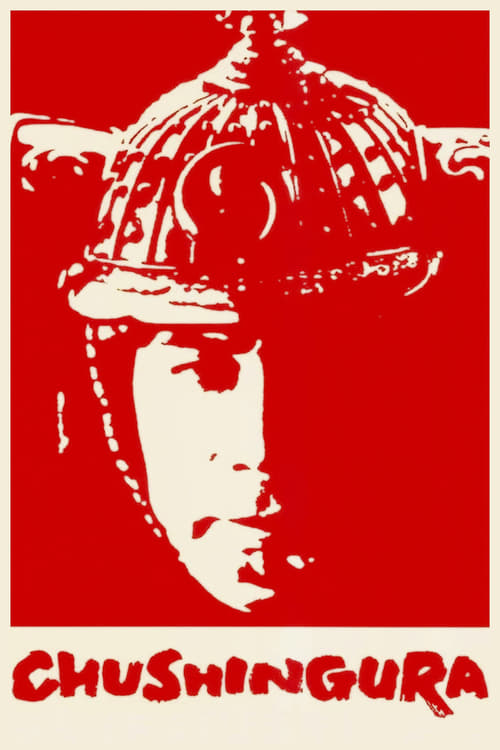
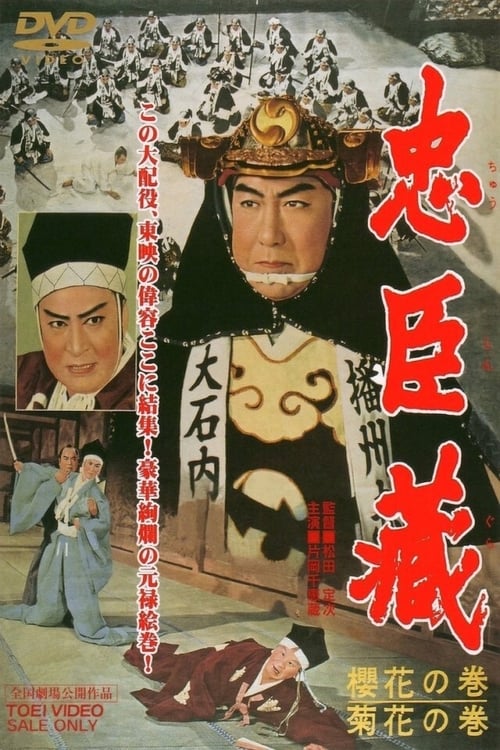
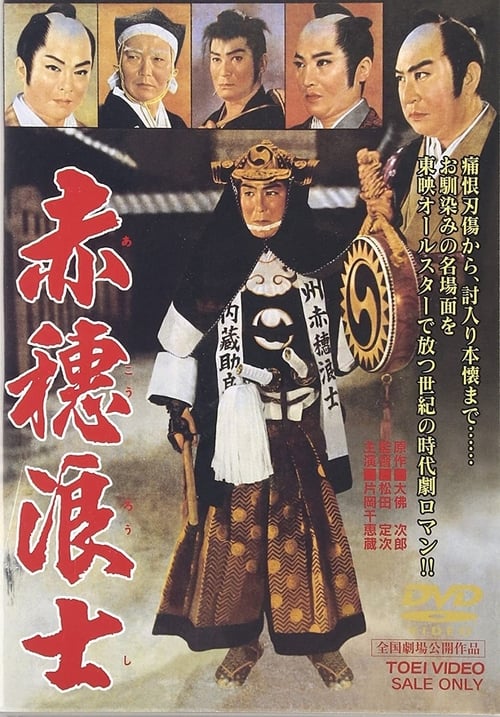
Chûshingura
1962
No user ratings available yet
Representation score: 0.6 out of 10
Representation Score
Minimal
1959
Director
Sadatsugu Matsuda
Runtime
183 minutes
Average Rating
No ratings yetNew Showbiz Analysis
The film is a traditional historical epic that prioritizes the preservation of the bushido code and feudal loyalty. It functions as a cinematic celebration of the Ako Clan's vendetta, focusing heavily on the rigid social structures of the Edo period. Due to its historical accuracy and focus on preserving traditional honor, the film lacks perspectives that reflect multiple aspects of identity. The narrative structure is designed to uphold established hierarchies rather than challenge them. Ultimately, the production serves as a definitive interpretation of a cultural cornerstone, but it does not attempt to challenge gender roles or incorporate diverse social identities.
Category Breakdown
The film emphasizes traditional social hierarchies and masculine bonds of loyalty. It adheres to conventional structures without presenting narratives that question the assumption that everyone is straight or cisgender.
Men take the lead in driving the plot through the samurai's pursuit of revenge. Women are mostly seen in passive domestic roles, reinforcing traditional masculine leadership and martial honor.
The cast is ethnically uniform, reflecting the historical context of the Edo period. The story focuses on internal class struggles without addressing racial or ethnic diversity.
The narrative upholds traditional values of loyalty and duty within the Shogunate. It portrays the struggle as a means to maintain a moral code against individual corruption.
There is no documented evidence regarding the inclusion of characters with physical or neurodivergent disabilities in this historical narrative.
Present on Screen
Limited or Absent
Official Synopsis
While the story of the Ako Clan's vendetta has been told countless times, never before has there been an array of major motion picture stars to bring new life to this timeless tale. Starting with the corrupt practices of Lord Kira and Yanagi-sawa, the Shogun's Secretary, which in essence led to the incident of Lord Asano's attacking Kira in the Pine Corridor of the Shogun's Palace, this is the definitive version. Asano Takumi no kami was a young lord with high scruples, who refused to join in the general corruption and bribery which ran rampant in the capital at that time. By not giving bribes, he angered Kira Kozuke no suke the elder lord in charge of protocol at the Palace. Refusing to teach the younger man, and giving him false instructions was only the beginning. Insults followed, and a man of honor had no choice but to draw his sword in anger. Forty seven masterless samurai are willing to give their lives to avenge their lord.
1962
1967
1963
2011
1961
1961
1992
1961
No reviews yet. Be the first to share your thoughts on this movie!
Use the rating form above to leave a star rating and optional review.