
Marco Polo: One Hundred Eyes
2015
No user ratings available yet
Representation score: 4.9 out of 10
Representation Score
Limited
2009
Director
Hiroyuki Nakano
Runtime
126 minutes
Average Rating
No ratings yetNew Showbiz Analysis
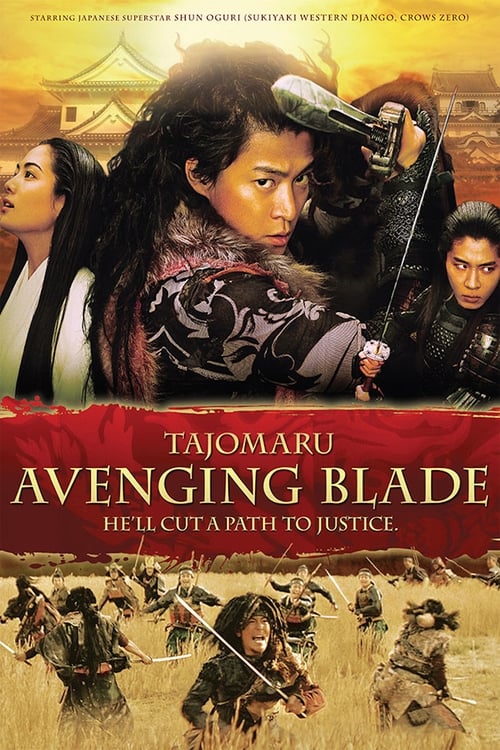
Tajomaru: Avenging Blade adheres to the established conventions of the jidaigeki genre. The narrative centers on a male-driven journey of identity, transitioning from royal status to the life of a bandit. The film prioritizes historical realism and traditional archetypes over social subversion. While the protagonist undergoes significant changes, the framework remains anchored in masculine themes of honor and inheritance. Ultimately, the work functions as a typical historical epic. It lacks the complexity of intersecting identities or the deconstruction of traditional genre clichés.
Category Breakdown
The story revolves around a romantic relationship between a princess and her royal brother. There is no indication of LGBTQ+ identities or same-sex intimacy, sticking to traditional heterosexual norms.
The plot centers on a male protagonist's journey from royalty to banditry. Although a princess plays a significant role, the narrative remains heavily focused on masculine themes such as swordsmanship and status.
Set during the Muromachi period, the film portrays a culturally uniform Japanese society. This historical context restricts opportunities for diverse racial representation or the subversion of modern norms.
The film examines identity through the lens of rejecting past status. However, it leans on traditional themes of honor and destiny rather than critiquing social or religious structures.
There is no mention of characters with visible or invisible disabilities. No evidence suggests that neurodivergence or physical disability plays a role in the narrative.
Present on Screen
Limited or Absent
Official Synopsis
TAJOMARU is the famous 'bandit' of the forest from RASHOMON. Whoever kills Tajomaru inherits his name, status and sword. A royal brother leaves his kingdom to protect the princess he loves, only to find a series of harrowing adventures along the way which lead him back to where he came from, and then disinheriting his past to become the bandit TAJOMARU.
2015
2008
2012

1974
2014
1961
2010

2021
No reviews yet. Be the first to share your thoughts on this movie!
Use the rating form above to leave a star rating and optional review.