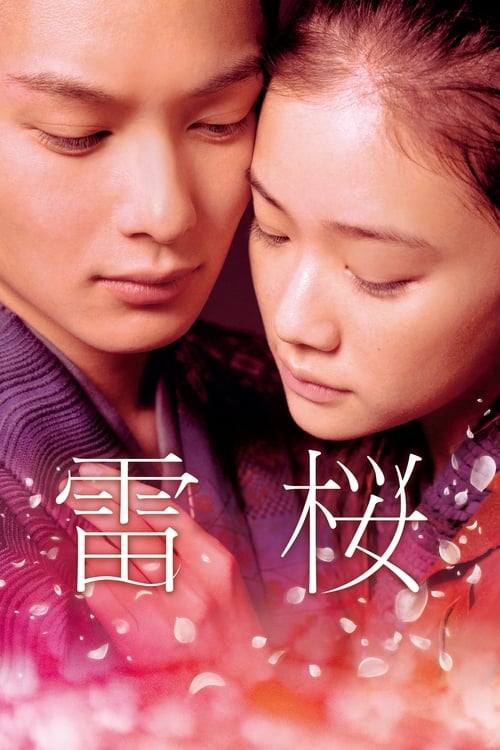
The Lightning Tree
2010
No user ratings available yet
Representation score: 6.0 out of 10
Representation Score
Limited
2010
Director
Kenji Nakanishi
Runtime
107 minutes
Average Rating
No ratings yetNew Showbiz Analysis
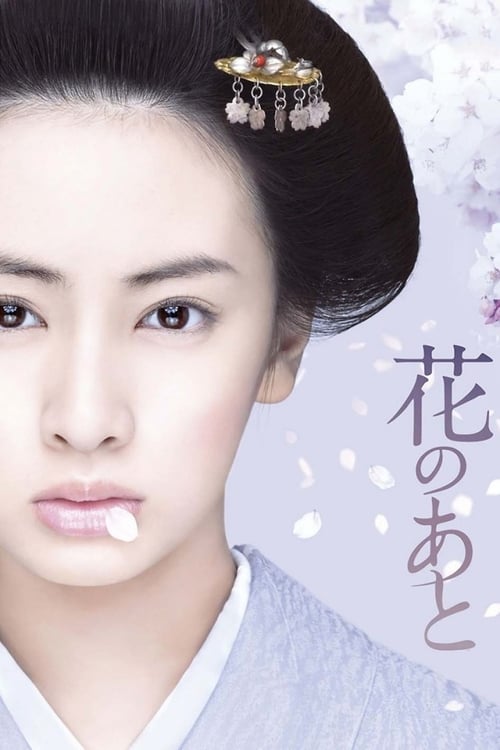
After the Flowers is a conventional historical drama that largely upholds the social hierarchies and cultural norms of its period. While it avoids progressive ideological disruptions, it offers small moments of character empowerment. The film's strength lies in its portrayal of a female character who demonstrates physical competence and ability to act through combat. This provides a slight departure from the passive roles often seen in the jidaigeki genre. However, the narrative remains limited by its reliance on traditional romantic clichés and homogeneous casting. The focus on arranged marriages and clan status keeps the story firmly within established historical frameworks.
Category Breakdown
The story focuses on heterosexual romantic tensions and the pressures of arranged marriages. There are no depictions of LGBTQ+ identities or critiques of traditional romantic stories.
The film provides a moderate challenge to gender hierarchies by having a female character initiate a sword fight with a male opponent. However, the plot remains tied to traditional social structures like arranged marriages.
The film maintains ethnic homogeneity consistent with its Japanese historical setting. It adheres to the cultural norms of the time without using diverse casting to challenge the status quo.
The narrative operates within a traditional framework centered on clan hierarchies and samurai status. It reinforces historical customs and social obligations rather than exploring secular or anti-Western themes.
The film provides no information about characters with visible or invisible disabilities.
Present on Screen
Limited or Absent
Official Synopsis
Ito, daughter of a clan official, encounters Magoshiro Eguchi. Magoshiro is a low ranking samurai sparks an attraction with Ito. Ito challenges Magoshiro to a sword match using bamboo sticks. Mahoshiro accepts. The pair's duel causes sparks to fly an attraction from both sides. Meanwhile, Ito faces an arranged marriage with Saisuke Katagiri and Magoshiro is with Kayo...
2010
2004
1957
1999
1992

2023
2006
2023
No reviews yet. Be the first to share your thoughts on this movie!
Use the rating form above to leave a star rating and optional review.