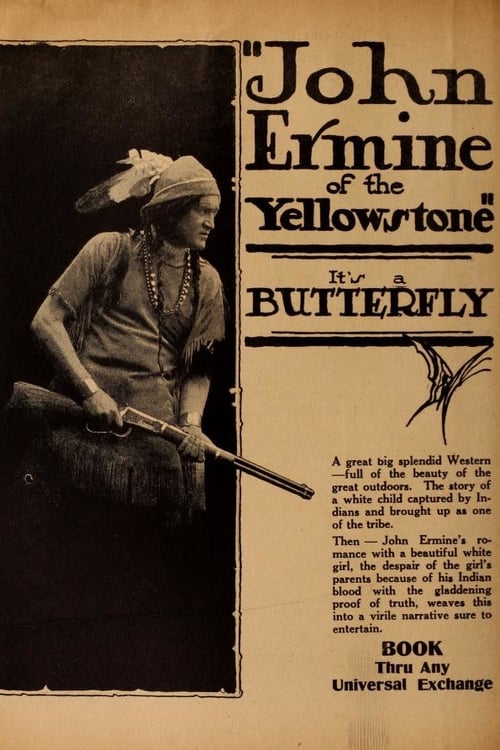
John Ermine of the Yellowstone
1917
No user ratings available yet
Diversity score: 3.8 out of 10
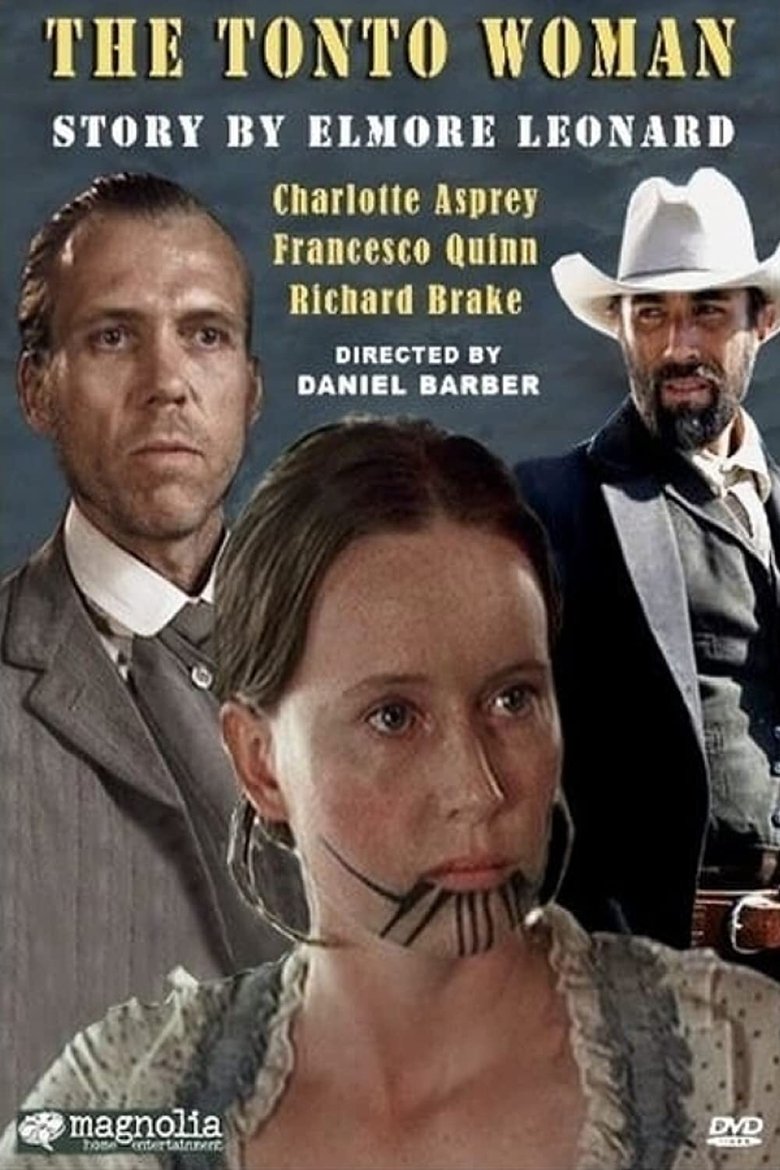
2008
Director
Daniel Barber
Runtime
35 minutes
Average Rating
No ratings yetSynopsis
A white woman is kidnapped from her home by Apache Indians. Traded to the Mojave Indians, she lives as a squaw for 11 years until she is found by her husband. Unfit for society he keeps her in a shack in the desert. Her solitary existence is transformed with the arrival of a Mexican. He befriends her, reignites her self-worth and increases her confidence. He re-introduces her to her husband and leaves. As he is leaving town he is ambushed by her husbands men and there is a gun-battle. Who lives and who dies?
Overall Score
Fair
Category Breakdown
LGBTQ+ Representation
The film contains no evidence of LGBTQ+ characters or non-cisnormative identities. All central relationships follow a strictly heteronormative framework.
Gender Representation
The protagonist moves from forced passivity toward regained self-worth and confidence. However, her empowerment is facilitated by a male character and her reintegration is dictated by her husband.
Racial & Ethnic Diversity
The story features a multi-ethnic landscape including Apache, Mojave, Mexican, and White characters. This disrupts monolithic Western tropes by focusing on the intersections of these diverse groups.
Religious & Cultural Diversity
The narrative deconstructs Western domesticity by portraying the idealized family unit as a space of confinement. It leans toward traditional, conflict-driven resolutions common to the genre.
Disability Representation
There is no explicit mention of physical or neurodivergent disabilities. While the protagonist experiences profound psychological trauma, there is no evidence of intentional disability representation.
Strengths
Areas for Improvement
AI Analysis
The film attempts to subvert Western genre tropes by centering a female survivor's psychological evolution rather than a standard hero's journey. It utilizes a diverse ethnic cast to move beyond Anglo-centric archetypes. However, the narrative remains tethered to patriarchal structures. The protagonist's agency is often mediated by men, and the film ultimately relies on traditional masculine-driven conflict to resolve its plot.
1917
1949
2017

1957
1968
1929
1909
1956
1957

1955
1976
1975
No reviews yet. Be the first to share your thoughts on this movie!
Use the rating form above to leave a star rating and optional review.