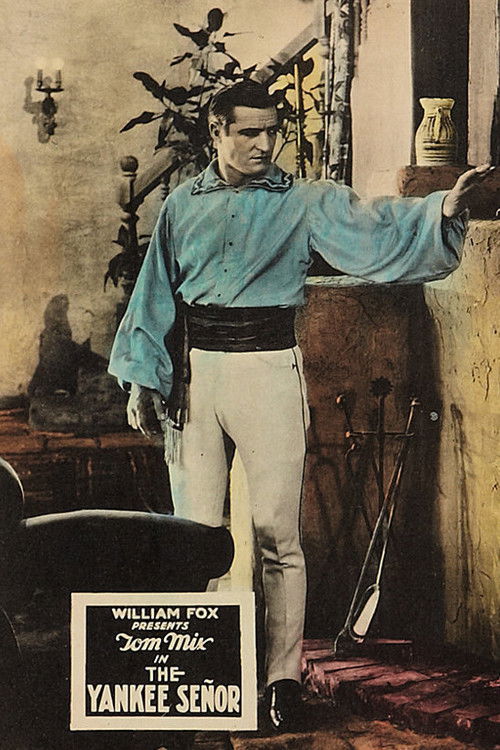
The Yankee Señor
1926
No user ratings available yet
Representation score: 1.4 out of 10
Representation Score
Limited
1916
Director
Allan Dwan
Runtime
72 minutes
Average Rating
No ratings yetNew Showbiz Analysis
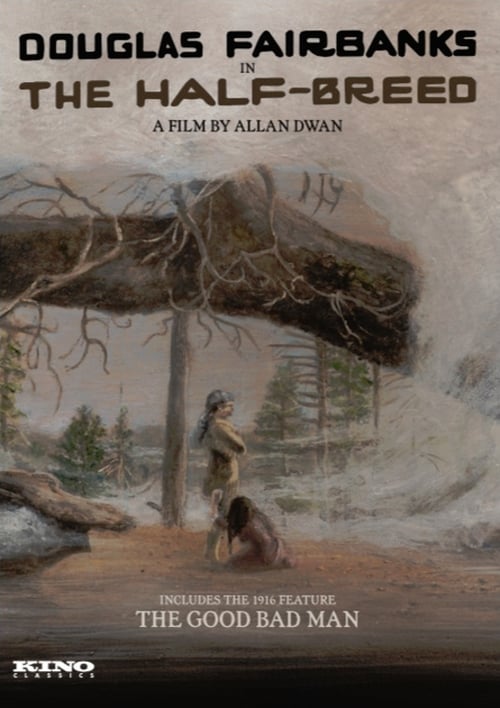
The Half-Breed stands out as a historical artifact that challenges the racial homogeneity common in early Westerns. By centering Lo Dorman, a man of mixed heritage, the film explores the social consequences of identity and systemic prejudice. However, the film remains bound by the melodramatic constraints of 1916. The narrative relies heavily on traditional gender hierarchies and romantic clichés, where female characters primarily serve as catalysts for the male lead's journey. Ultimately, while the film provides a significant role in driving the story to its mixed-race protagonist, it lacks a broader critique of frontier institutions, focusing instead on personal identity and romantic rivalry.
Category Breakdown
The film focuses on heterosexual relationships and does not include non-cisgender gender identities or same-sex intimacy.
The story revolves around a male protagonist's struggles within traditional romantic structures. Female characters act as plot catalysts, fitting into conventional roles as debutantes and outlaws.
The film breaks from the typical homogeneity of early Westerns by centering a protagonist of mixed Native American and White heritage. It addresses systemic prejudice and the complexities of identity.
The film explores themes of social exclusion and cultural conflict but remains tied to traditional Western frameworks and individual morality, rather than a broader systemic critique.
There is no discernible depiction of physical or neurodivergent disabilities within the available records.
Present on Screen
Limited or Absent
Official Synopsis
In an attempt to brand himself as a serious actor, the smiling swashbuckler Douglas Fairbanks starred in THE HALF-BREED (1916), a Western melodrama written by Anita Loos and directed with flair by Allan Dwan. Fairbanks stars as Lo Dorman, who has been ostracized from society because of this mixed ethnicity - his Native American mother was abandoned by his white father. When Lo catches the eye of the rich white debutante Nellie (Jewel Carmen), he becomes a target for the racist Sheriff Dunn (Sam De Grasse), who wants to break them up and take Nelli for his own. This love triangle becomes a quadrangle with the arrival of Teresa (Alma Rubens), who is on the run from the law. Through fire and fury Lo must decide who and what he truly loves.
1926
1940
1914
1930
1910
1946
1909
1928
No reviews yet. Be the first to share your thoughts on this movie!
Use the rating form above to leave a star rating and optional review.