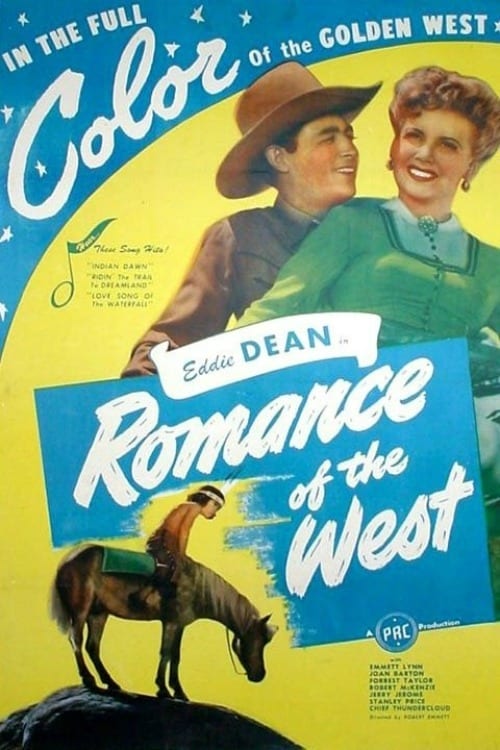
Romance of the West
1946
No user ratings available yet
Diversity score: 4.2 out of 10
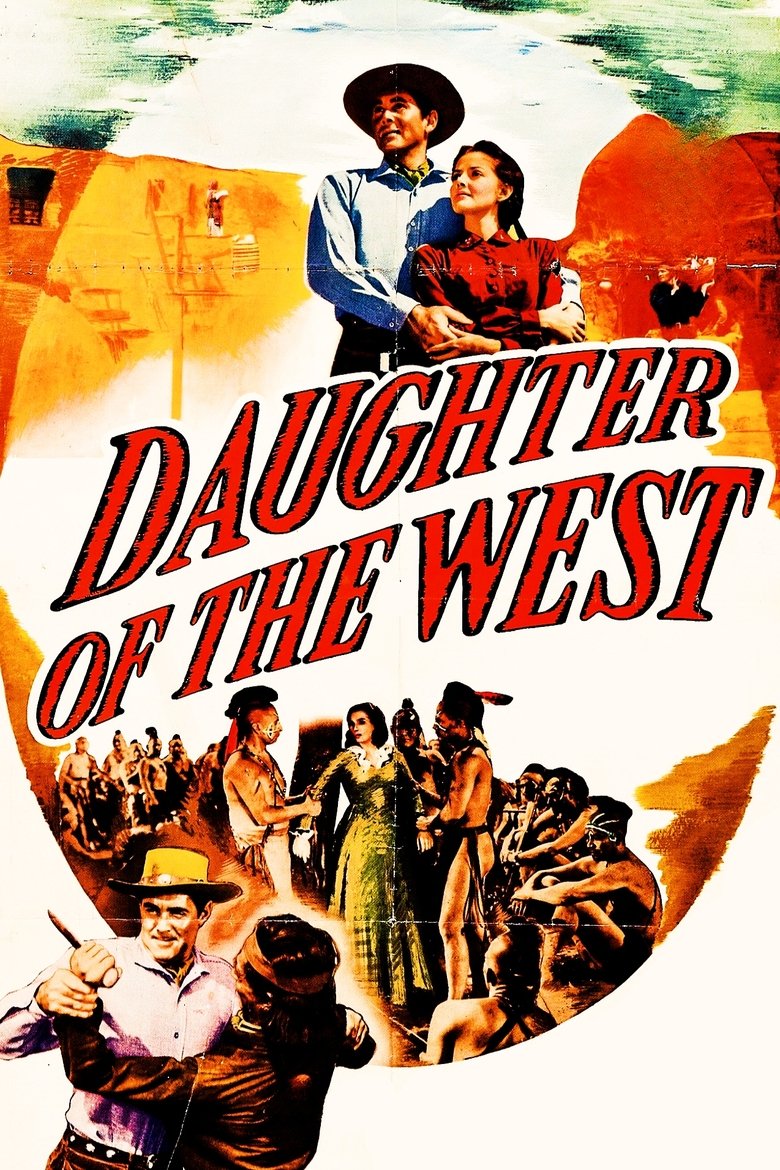
1949
ApprovedDirector
Harold Daniels
Runtime
77 minutes
Average Rating
No ratings yetSynopsis
A convent-raised woman learns of her American Indian heritage through romance with an educated Navajo (Philip Reed) during the 1880s.
Overall Score
Fair
Category Breakdown
LGBTQ+ Representation
The film lacks LGBTQ+ characters or narratives. The plot follows a conventional romantic structure between a woman and a Navajo man.
Gender Representation
A female protagonist drives the discovery of her identity. However, her convent-raised background suggests a reliance on traditional social institutions and period-typical gender tropes.
Racial & Ethnic Diversity
The film moves beyond reductive caricatures by centering American Indian heritage. An educated Navajo character provides much-needed agency and depth to a marginalized group.
Religious & Cultural Diversity
The story explores the tension between a religious convent upbringing and indigenous roots. It functions as a personal discovery piece within 1880s social constraints.
Disability Representation
There is no discernible evidence regarding the portrayal of physical or neurodivergent disabilities in this work.
Strengths
Areas for Improvement
AI Analysis
Daughter of the West offers a more nuanced look at ethnic identity than many of its mid-century contemporaries. By centering the narrative on American Indian heritage and featuring an educated Navajo man, the film avoids some of the era's most common racial caricatures. However, the film remains firmly rooted in the traditional structures of the 1940s Western. While the female lead possesses agency, the narrative operates within established social and religious frameworks rather than challenging them. Ultimately, the film provides meaningful racial representation for its time but lacks significant subversion of gender hierarchies or LGBTQ+ inclusion.
1946
1975
1954
2008
1917
1956

1957

1932
1949
1954
1959

1955
No reviews yet. Be the first to share your thoughts on this movie!
Use the rating form above to leave a star rating and optional review.