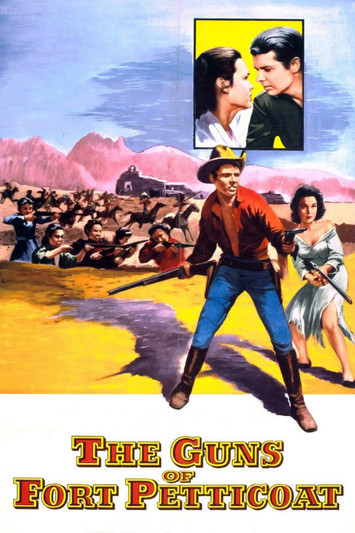
The Guns of Fort Petticoat
1957
No user ratings available yet
Diversity score: 2.9 out of 10
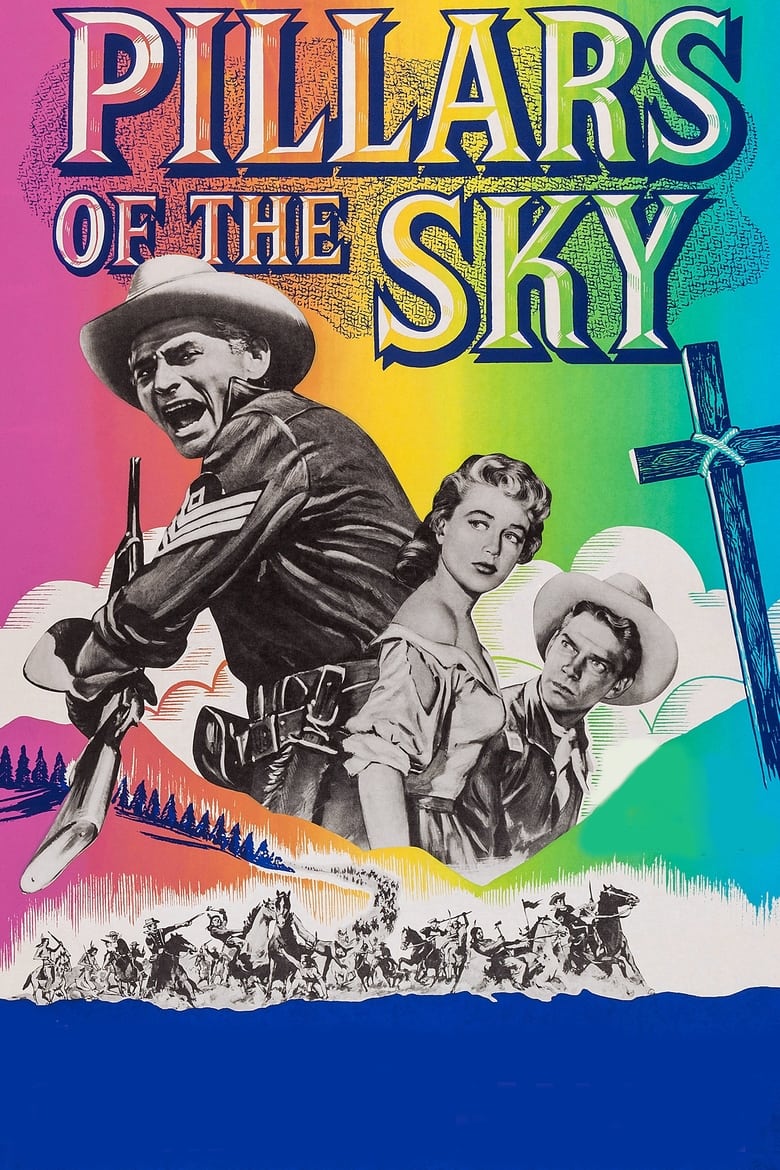
1956
NRDirector
George Marshall
Runtime
95 minutes
Average Rating
No ratings yetSynopsis
First Sergeant Emmett Bell faces off with Apache chieftain Kamiakin in this nuanced portrayal of racial tensions between Native Americans and white settlers in 1860s Oregon Country.
Overall Score
Limited
Category Breakdown
LGBTQ+ Representation
The film lacks any evidence of LGBTQ+ characters or queer themes. The narrative focuses entirely on traditional frontier conflicts.
Gender Representation
The story likely reinforces mid-century gender hierarchies. It centers on masculine leadership and survival rather than female agency or intellectual authority.
Racial & Ethnic Diversity
The film offers a nuanced portrayal of racial tensions between settlers and Native Americans. While Apache characters have significant presence, the perspective remains settler-centric.
Religious & Cultural Diversity
The narrative adheres to traditional Western frameworks of settlement and frontier justice. It lacks themes that challenge Western institutional or cultural norms.
Disability Representation
There is no information regarding the depiction of physical or neurodivergent disabilities in this production.
Strengths
Areas for Improvement
AI Analysis
Pillars of the Sky is a mid-century Western that attempts to move beyond simple 'good vs. evil' tropes by exploring the friction between white settlers and the Apache. While the central conflict involving Kamiakin provides more complexity than many contemporary films, the work remains firmly rooted in the social hierarchies of 1956. The film's diversity is limited by the studio-driven conventions of its era. It prioritizes masculine leadership and settler-centric perspectives, offering little room for non-heteronormative identities or significant female empowerment. Ultimately, the film serves as a period piece that acknowledges racial tension without fully subverting the traditional Western narrative structure.
1957
1952
1953
1948
1957
1957
1968

1966

1951
1955
1951
1954
No reviews yet. Be the first to share your thoughts on this movie!
Use the rating form above to leave a star rating and optional review.