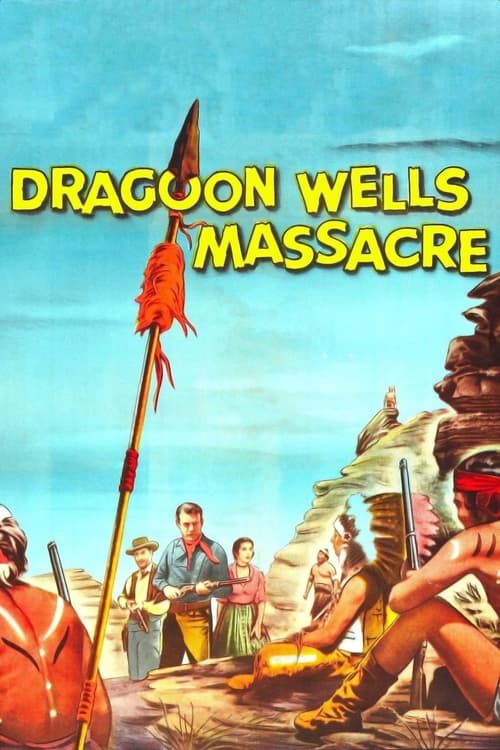
Dragoon Wells Massacre
1957
No user ratings available yet
Representation score: 0.8 out of 10
Representation Score
Minimal
1953
NRDirector
André de Toth
Runtime
85 minutes
Average Rating
No ratings yetNew Showbiz Analysis
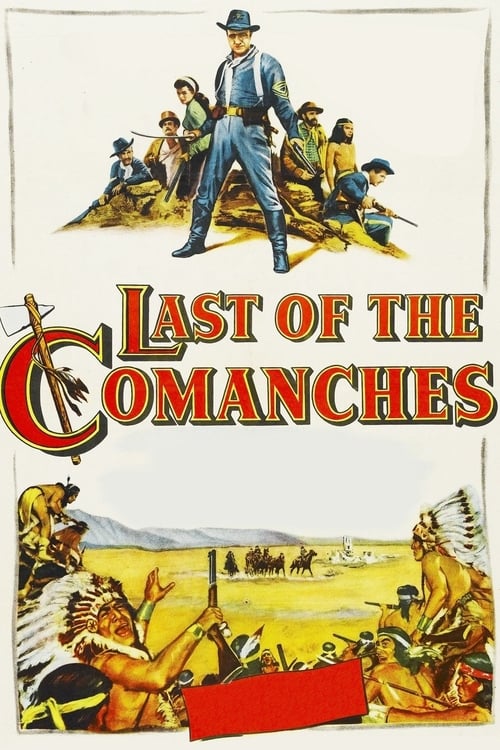
Last of the Comanches is a traditional 1953 Western that adheres closely to the genre conventions of its time. The narrative emphasizes survival and resource scarcity, focusing on a conflict between military forces and Indigenous populations. The film relies on established archetypes, featuring a male-dominated cast and a frontier conflict framework. While it introduces situational ethics through a negotiation for water, it does not challenge systemic hierarchies. Ultimately, the production reflects the social and cinematic constraints of the mid-century, focusing on standard colonial-era clichés rather than diverse or modern characterizations.
Category Breakdown
The film does not include any characters with non-binary gender identities or LGBTQ+ narratives.
The cast is predominantly male, featuring soldiers and a Comanche leader. This reinforces traditional gender roles typical of the era.
The story revolves around conflicts between colonial forces and the Comanches. While the antagonist Black Cloud has a significant role, the film adheres to conventional mid-century frontier themes.
Set in a deserted mission, the film explores the tension between civilization and the wilderness through traditional Western expansionist themes.
There is no mention of characters with physical or neurodivergent disabilities.
Present on Screen
Limited or Absent
Official Synopsis
It's 1876 and all the Indians are at peace except the Comanches lead by Black Cloud. When Black Cloud wipes out a town, only six soldiers are left and they head for the nearest fort. In the desert they are reinforced by members of a stagecoach and find some water at a deserted mission. Pinned down by Black Cloud they send an Indian boy who was Black Cloud's prisoner on to the fort while they try to bargain with Black Cloud whom they learn is without water.
1957
1966
1956
1960
1953
1965
1955
1950
No reviews yet. Be the first to share your thoughts on this movie!
Use the rating form above to leave a star rating and optional review.