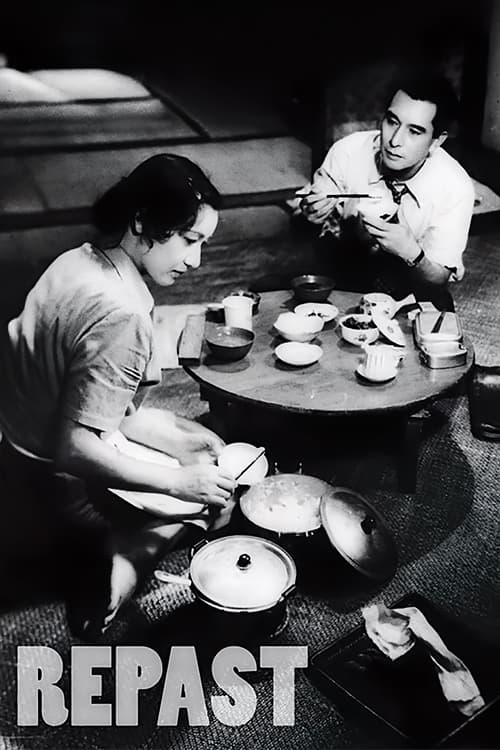
Repast
1951
No user ratings available yet
Diversity score: 5.8 out of 10
1956
Director
Mikio Naruse
Runtime
91 minutes
Average Rating
No ratings yetSynopsis
Fumiko and Ryōtarō Namiki's marriage has gone stale, with both constantly arguing over what to do on a day off, or about her cutting out recipes from the newspaper before he finishes reading it. Their animosities are witnessed by Fumiko's niece Ayako, who visits to complain about her own husband's inattentiveness, and their new neighbours, the Imasatos.
Overall Score
Fair
Category Breakdown
LGBTQ+ Representation
The film lacks explicit evidence of LGBTQ+ characters or non-heteronormative identities. The narrative focuses on domestic friction within a traditional marriage.
Gender Representation
The story prioritizes the female experience by centering the emotional labor of Fumiko and Ayako. It disrupts the contented housewife trope by highlighting domestic disputes and patriarchal constraints.
Racial & Ethnic Diversity
The film depicts a culturally homogeneous Japanese society typical of the 1950s studio system. It serves as a specific cultural document of its era and location.
Religious & Cultural Diversity
The narrative explores the breakdown of traditional marital stability and social roles. It offers a realistic, less romanticized view of the traditional family unit.
Disability Representation
There is no mention of characters with visible or invisible disabilities in the narrative.
Strengths
Areas for Improvement
AI Analysis
Mikio Naruse’s work provides a sophisticated examination of the domestic sphere, specifically focusing on the psychological complexities of women. By centering the friction within the Namiki marriage, the film moves beyond simple traditionalism to critique the limitations of mid-century social structures. While the film operates within a culturally homogeneous and heteronormative framework, it succeeds in deconstructing the myth of domestic harmony. The focus on female agency and the mundane struggles of household life provides a nuanced perspective on gendered power dynamics. Ultimately, the film is a character-driven study of social pressures. It trades idealized family unity for a realistic portrayal of interpersonal dissatisfaction and the stifling nature of established roles.
1951
1962
1960
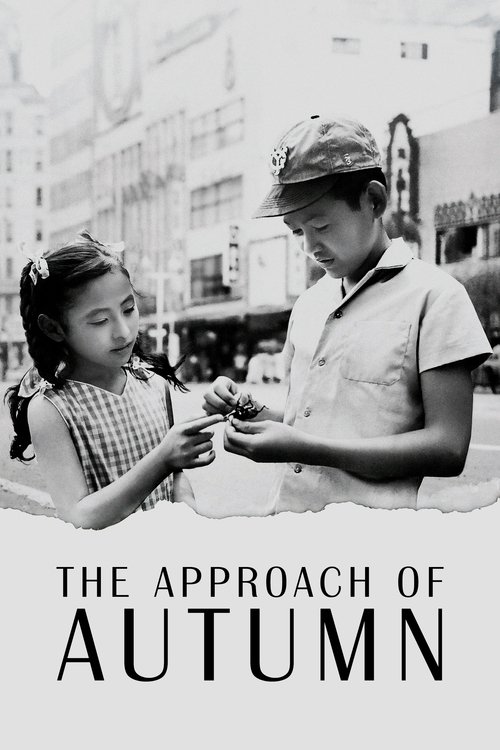
1960
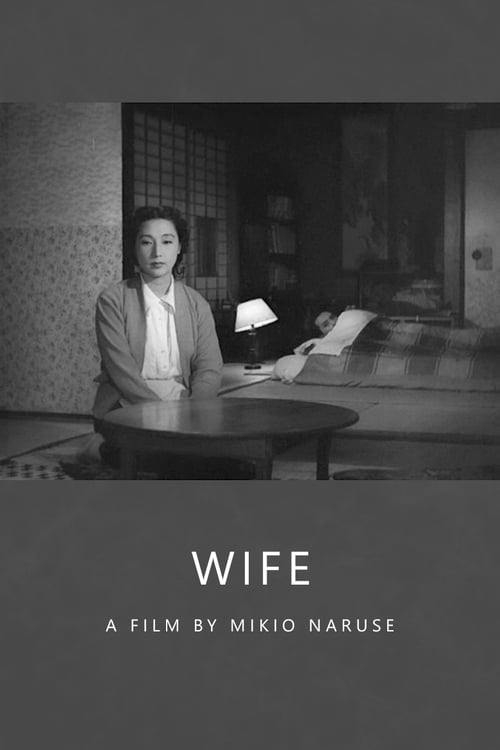
1953
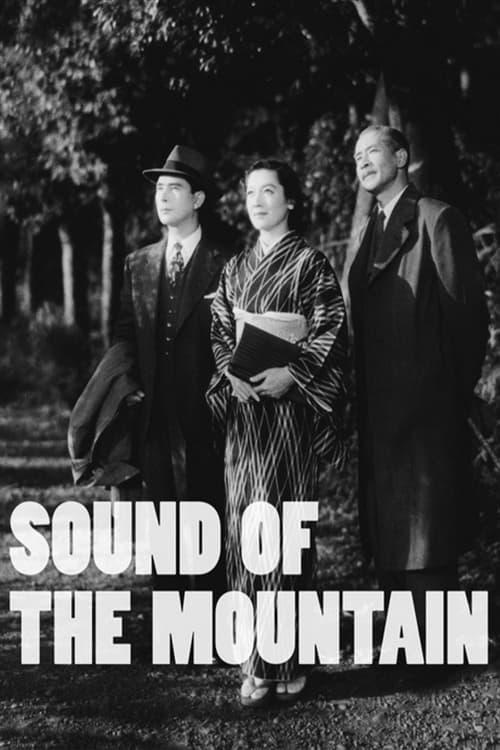
1954

1958
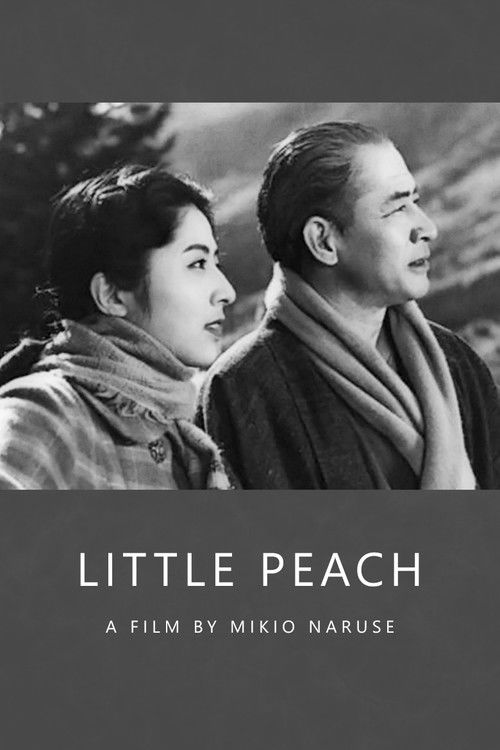
1958
1963
1957
1937
1947
No reviews yet. Be the first to share your thoughts on this movie!
Use the rating form above to leave a star rating and optional review.