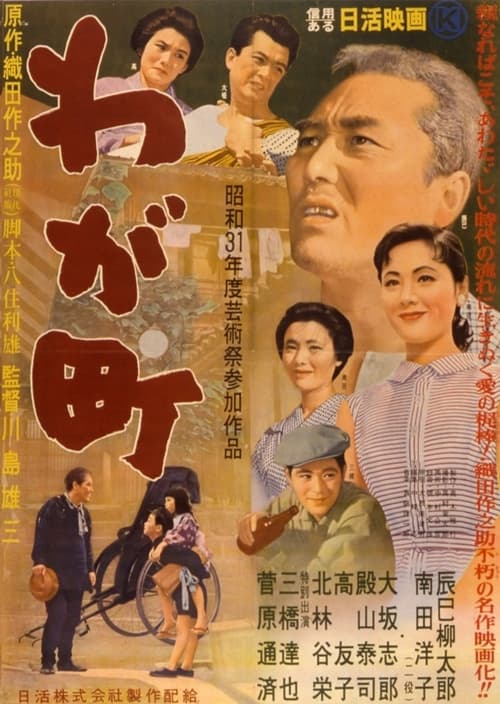
Our Town
1956
No user ratings available yet
Diversity score: 2.7 out of 10
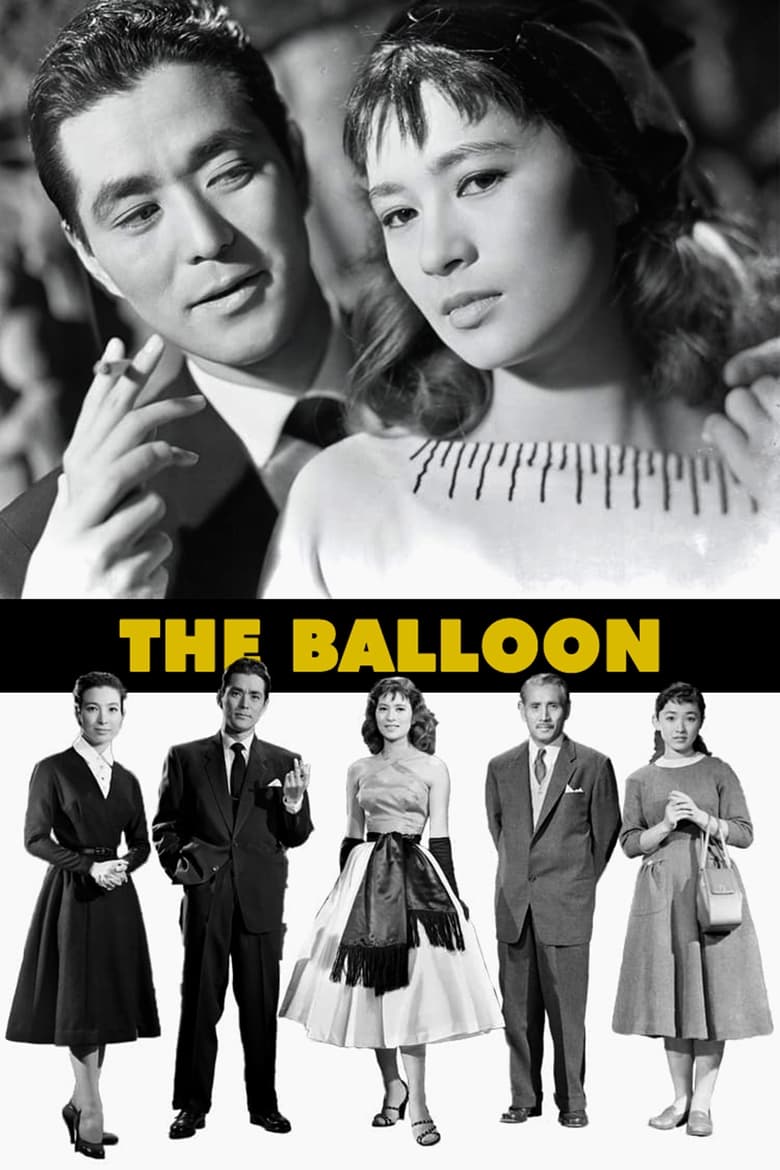
1956
Director
Yūzō Kawashima
Runtime
109 minutes
Average Rating
No ratings yetSynopsis
Haruki Murakami is a successful family man and the head of a camera company. Unbeknownst to Murakami, his arrogant son oscillates between a mistress and a new lover who sings at a nightclub. When Murakami’s disabled daughter befriends the mistress, the affair throws the family into turmoil.
Overall Score
Fair
Category Breakdown
LGBTQ+ Representation
The film lacks any evidence of non-heteronormative identities. The central conflict relies on traditional tropes of extramarital infidelity rather than exploring queer identities or non-cisnormative expressions.
Gender Representation
Female characters drive the narrative disruption through their social connections. While the patriarch remains the household head, the daughter and mistress act as primary agents of the family's collapse.
Racial & Ethnic Diversity
The production features a culturally homogeneous cast typical of mid-century Japanese cinema. It focuses on localized social strata and post-war recovery rather than intersectional racial dynamics.
Religious & Cultural Diversity
The story critiques the perceived stability of the traditional family unit. It functions as a character study of moral complexity within a conventional social framework.
Disability Representation
There is no documented evidence regarding the portrayal of physical or neurodivergent disabilities in this work.
Strengths
Areas for Improvement
AI Analysis
The Balloon is a mid-century domestic drama that examines the breakdown of traditional social hierarchies. It avoids the most regressive tropes by granting female characters significant agency in driving the plot's turmoil. However, the film remains largely within the conventional bounds of its era. It lacks intersectional representation, focusing instead on a homogeneous Japanese social landscape and heteronormative domestic conflicts. Ultimately, the film's strength lies in its observational approach to moral complexity and the fragility of the successful family archetype.
1956
1956

1985
1934

1966

1951
1948
1956
1956
1982
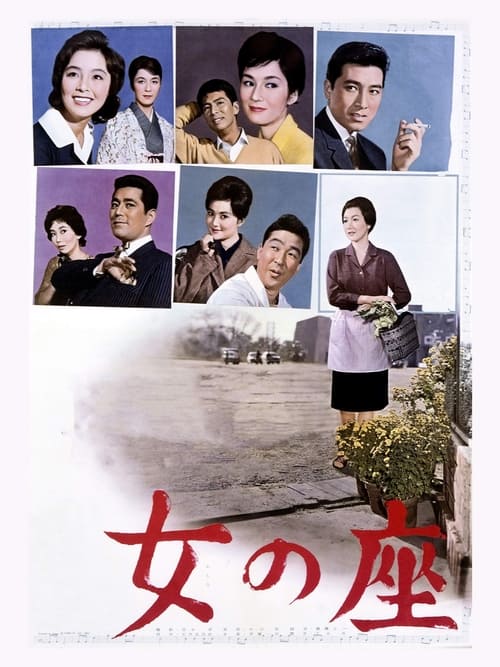
1962
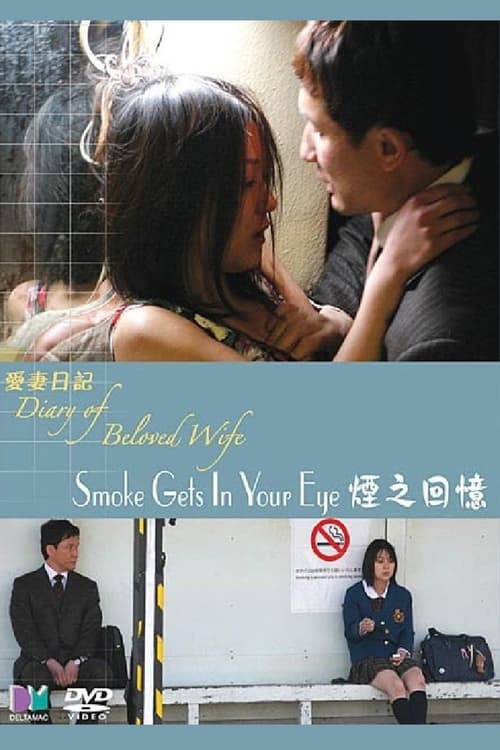
2006
No reviews yet. Be the first to share your thoughts on this movie!
Use the rating form above to leave a star rating and optional review.