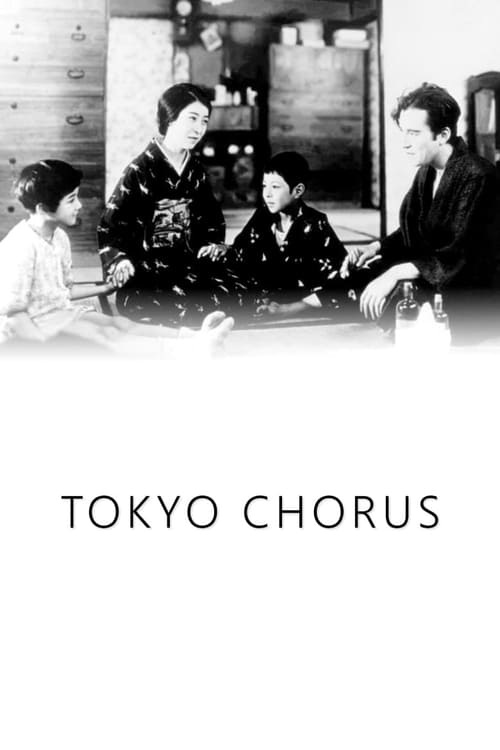
Tokyo Chorus
1931
No user ratings available yet
Diversity score: 4.1 out of 10

1957
Director
Kōzaburō Yoshimura
Runtime
97 minutes
Average Rating
No ratings yetSynopsis
A poor peasant, after years of scraping, becomes a rich and powerful Osaka merchant. Mizoguchi Kenji's final project; he died before completing it and directing duties turned over to Yoshimura Kozaburo.
Overall Score
Limited
Category Breakdown
LGBTQ+ Representation
The film lacks any evidence of non-cisnormative gender identities or same-sex intimacy. It appears to follow the traditional social structures common in mid-century Japanese cinema.
Gender Representation
The narrative focuses on male-driven economic agency through a peasant's rise to merchant status. It likely adheres to conventional gender roles without subverting patriarchal hierarchies.
Racial & Ethnic Diversity
As a localized Japanese production, the film focuses on domestic class mobility. While it avoids Western-style whitewashing, it lacks multi-ethnic or intersectional racial diversity.
Religious & Cultural Diversity
The story offers progressive value by exploring class struggle and social strata. It examines the tension between traditional values and emerging capitalism within the merchant class.
Disability Representation
There is no documented evidence regarding the inclusion of characters with physical or neurodivergent disabilities in this work.
Strengths
Areas for Improvement
AI Analysis
An Osaka Story is a period piece deeply rooted in the social realism of mid-century Japan. Its primary strength lies in its exploration of class mobility and the systemic hierarchies of the era. The transition from peasant to merchant provides a framework for critiquing economic structures. However, the film lacks modern intersectional breadth. The narrative focus remains narrow, centering on a singular national identity and traditional gender roles. It does not provide representation for LGBTQ+ identities or visible disabilities. Ultimately, the film serves as a study of domestic social shifts rather than a diverse tapestry of identities. It prioritizes the struggle of class over the representation of varied marginalized groups.
1931

1999
1956

1958
1977
1949
1950
1995

2001
1932
2005

2006
No reviews yet. Be the first to share your thoughts on this movie!
Use the rating form above to leave a star rating and optional review.