
Woman of Tokyo
1933
No user ratings available yet
Diversity score: 5.8 out of 10
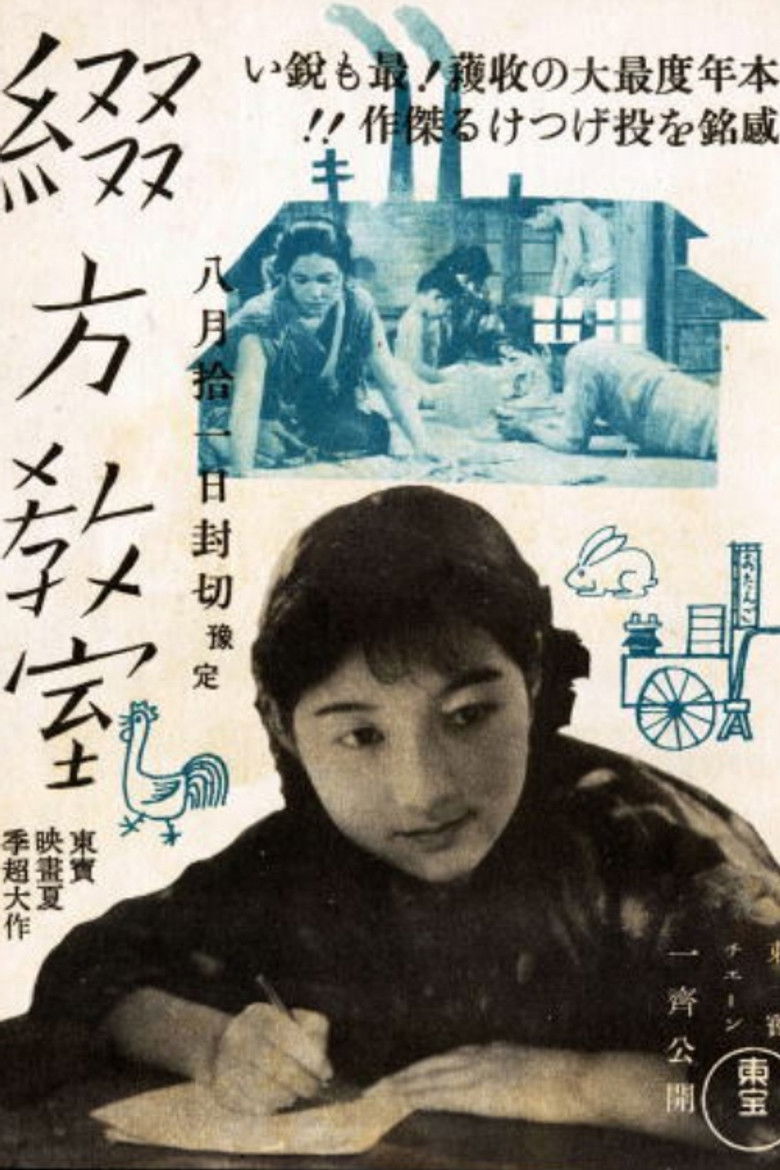
1938
Director
Kajirō Yamamoto
Runtime
87 minutes
Average Rating
No ratings yetSynopsis
Based on an autobiographical story by Toyota Masako.
Overall Score
Fair
Category Breakdown
LGBTQ+ Representation
The film contains no evidence of LGBTQ+ characters or narratives addressing non-heteronormative identities.
Gender Representation
Masako is a female protagonist who exercises intellectual agency through her writing. However, the plot's focus on family problems suggests she remains bound by traditional domestic hierarchies.
Racial & Ethnic Diversity
The production features a homogeneous Japanese cast. It explores social stratification through intra-national class distinctions rather than multi-ethnic representation.
Religious & Cultural Diversity
The story critiques class structures by focusing on the precarious life of an impoverished itinerant family. It examines how social institutions intersect with poverty.
Disability Representation
There is no information available regarding the depiction of physical or neurodivergent disabilities in this work.
Strengths
Areas for Improvement
AI Analysis
Composition Class is a social realist drama that prioritizes class struggle over modern intersectional markers. It centers on the tension between individual expression and the systemic constraints of poverty. The film finds its strength in the agency of its female lead, Masako, who uses her intellect to navigate her environment. This provides a nuanced look at how social visibility can destabilize marginalized families. While the film lacks LGBTQ+ or multi-ethnic diversity, it offers a meaningful critique of how socioeconomic vulnerability impacts the domestic sphere.
1933
1936
1975
1951
1959

1935
1958

1937
1963
1938
1963

1936
No reviews yet. Be the first to share your thoughts on this movie!
Use the rating form above to leave a star rating and optional review.