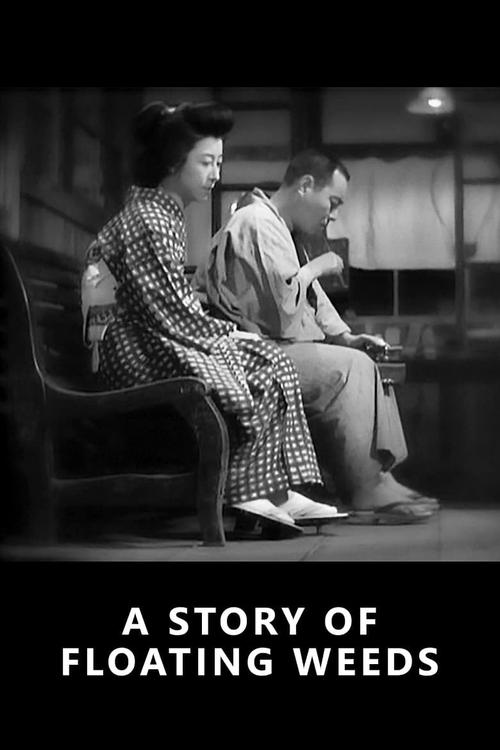
A Story of Floating Weeds
1934
No user ratings available yet
Representation score: 3.1 out of 10
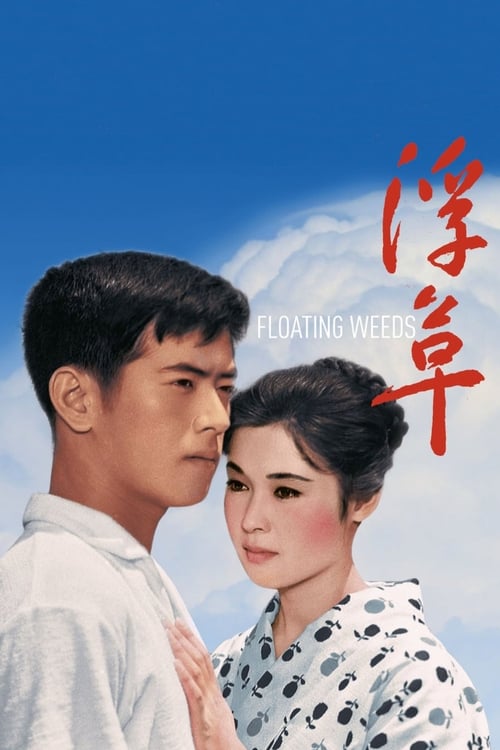
Representation Score
Limited
1959
Not RatedDirector
Yasujirō Ozu
Runtime
115 minutes
Average Rating
No ratings yetNew Showbiz Analysis
Floating Weeds is a masterpiece of cinematic realism that prioritizes psychological depth over contemporary markers of diversity. It deconstructs traditional social expectations through its nuanced portrayal of gendered ability to act and moral complexity. While the film lacks LGBTQ+ visibility and multi-ethnic casting, it offers a sophisticated view of human ethics. The narrative structure challenges moral absolutes by presenting a world of gray areas rather than black-and-white truths. Ultimately, the film's strength lies in its exploration of the human condition and the instability of social structures, even though it remains culturally uniform.
Category Breakdown
The film centers on heterosexual relationships within a traveling theater troupe. There are no representations of non-straight identities or same-sex relationships.
The narrative challenges traditional gender roles by focusing on the female protagonist's significant role in driving the story. Her personal history and professional aspirations serve as the main catalyst for the film's conflicts.
The production features a culturally uniform Japanese cast. While it lacks multi-ethnic diversity, it remains a crucial example of non-Western cinema.
Ozu explores moral relativism through situational ethics rather than strict religious doctrine. The itinerant lifestyle of the troupe critiques the stability of traditional social and family structures.
No visible or hidden disabilities are central to the character arcs or narrative development.
Present on Screen
Limited or Absent
Official Synopsis
A theater troupe master's visit with his old flame unintentionally sets off a chain of unexpected events with devastating consequences.
1934
1961
1961
1957

1950

1951

1955
1949
No reviews yet. Be the first to share your thoughts on this movie!
Use the rating form above to leave a star rating and optional review.