New Women
1935
No user ratings available yet
Representation score: 5.6 out of 10
Representation Score
Limited
1931
Director
Mort Blumenstock
Runtime
65 minutes
Average Rating
No ratings yetNew Showbiz Analysis
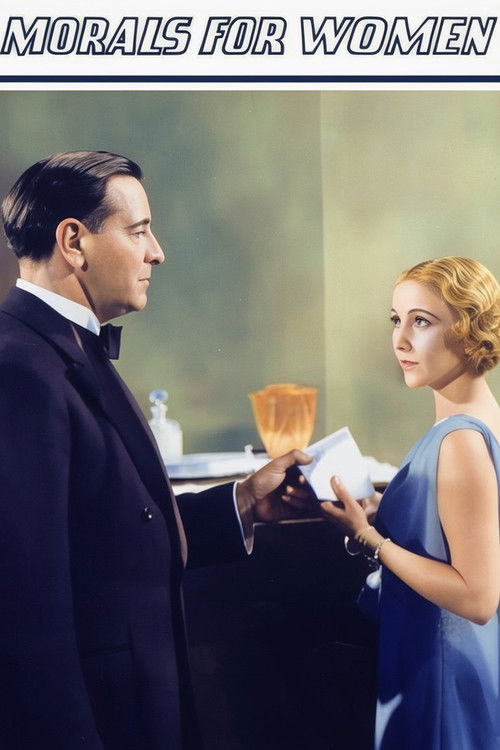
Morals for Women serves as a period-specific exploration of social transgression. While it lacks diverse representation regarding race and LGBTQ+ identities, it successfully challenges traditional gender roles. The film's strength lies in its embrace of moral ambiguity. By focusing on a woman who navigates the world through economic pragmatism rather than domestic submission, it questions the conventional social hierarchies of the early 1930s. Ultimately, the narrative's refusal to strictly condemn the protagonist's lifestyle aligns it with the progressive storytelling common during the Pre-Code era.
Category Breakdown
The film does not include any explicit LGBTQ+ characters or explore non-straight relationships. The story revolves around romantic conflicts between the female protagonist and several male characters.
Helen Huston plays a significant role in driving the story by making independent decisions about her career and personal life. She challenges traditional domestic expectations through her resourcefulness and assertiveness.
The cast and setting reflect the homogeneous society of 1931 American cinema. There is no indication of racial blending or challenging the dominance of Anglo-Saxon norms.
The story embraces moral relativism rather than strict Christian morality. It delves into situational ethics and the complexities of urban capitalism through the protagonist's unconventional lifestyle.
There is no evidence of characters with visible or invisible disabilities in the narrative.
Present on Screen
Limited or Absent
Official Synopsis
A kept secretary in the big city must rethink her choices when her hometown flame comes back into her life.
1935

1920
1925

1929

1931

1928

1927

1931
No reviews yet. Be the first to share your thoughts on this movie!
Use the rating form above to leave a star rating and optional review.