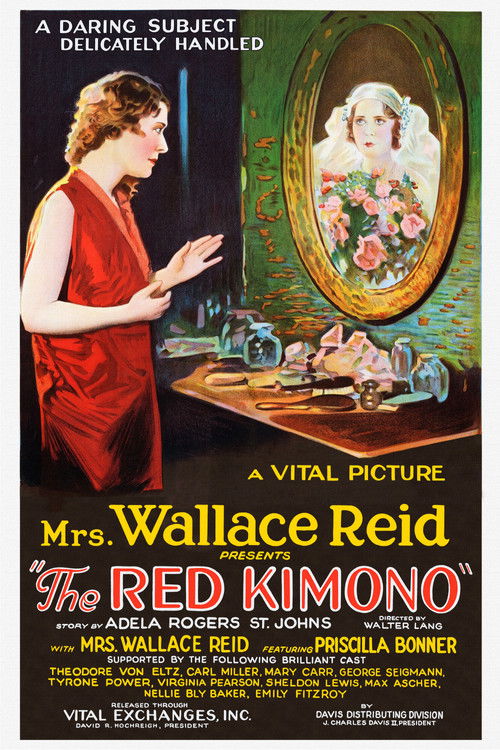
The Red Kimona
1925
No user ratings available yet
Representation score: 3.1 out of 10

Representation Score
Fair
1914
Director
Yevgeni Bauer
Runtime
37 minutes
Average Rating
No ratings yetNew Showbiz Analysis
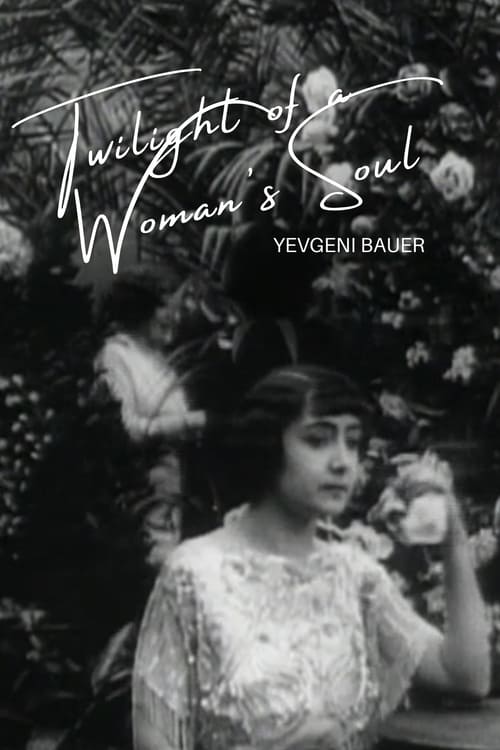
Yevgeni Bauer’s drama offers a sophisticated look at class tension and individual desire. While it lacks modern markers of diversity like racial or LGBTQ+ representation, it succeeds in challenging traditional power structures. The film is notable for its focus on a female protagonist who play a significant role in driving the story. Mary is not a passive figure; she actively dictates her romantic and economic path, challenging the era's gendered expectations. Ultimately, the work functions as a critique of bourgeois stability, prioritizing the psychological complexities of a working-class woman over the preservation of traditional social hierarchies.
Category Breakdown
The film does not include any LGBTQ+ characters or relationships that challenge the assumption that everyone is straight or cisgender. The story focuses on a typical romantic relationship between Mary and Victor.
Mary plays a significant role in driving the story, navigating her own social mobility and rejecting male patronage. Victor challenges the stereotype of a strong, emotionless male by appearing vulnerable and facing economic decline.
The film reflects the demographic homogeneity of the 1914 Russian film industry. There is no evidence of diverse ethnic representation or non-white actors.
The film critiques the economic stability of the bourgeoisie by showing that financial success alone is not enough for the protagonist. It explores class dynamics through the lens of social mobility and transient passion.
There is no information in the synopsis regarding characters with visible or invisible disabilities.
Present on Screen
Limited or Absent
Official Synopsis
Seamstress Mary dreams of a better life outside a sweatshop. Her dreams come true when she draws the attention of the bourgeois Victor. She soon tires of him, and thanks to her, his money is almost gone. When he suggests settling down outside the big city, where his money could be enough for a modest living, she leaves him and picks up a new lover. A year later, he is living in a shabby, cold hovel, still pining away for her.
1925
1920

1916

1930
1913

1923
1932
1928
No reviews yet. Be the first to share your thoughts on this movie!
Use the rating form above to leave a star rating and optional review.