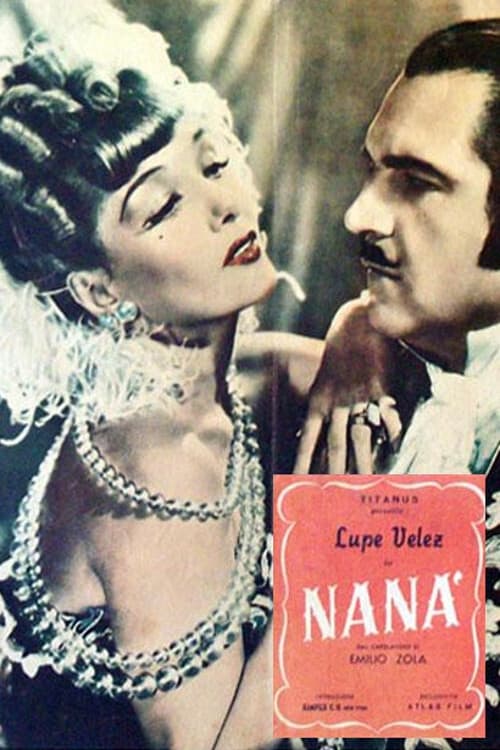
Naná
1944
No user ratings available yet
Representation score: 5.2 out of 10
Representation Score
Fair
1949
Director
Raymond Bernard
Runtime
78 minutes
Average Rating
No ratings yetNew Showbiz Analysis
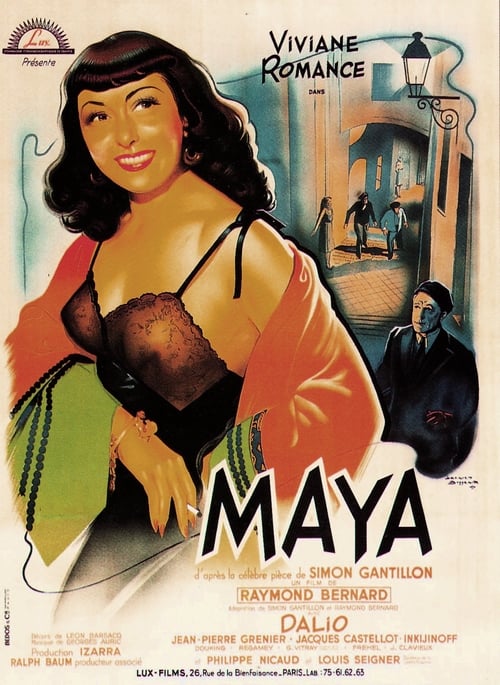
Maya is a psychological drama that finds its strength in moral ambiguity rather than broad demographic representation. The narrative centers on a woman who uses identity as a tool for survival, challenging the era's standard depictions of female virtue. However, the film remains confined by the social norms of 1949. It lacks explicit representation of non-white characters or LGBTQ+ identities, operating primarily within a Eurocentric, straight-centered framework. Ultimately, the film's diversity lies in its thematic exploration of social standing and identity, even if its casting and explicit subject matter remain traditional.
Category Breakdown
The protagonist adopts various personas to attract different men. Her approach to identity suggests a proto-exploration of fluidity within the context of heterosexual norms.
Bella challenges the traditional feminine ideal by using deception and manipulation to navigate complex psychological roles. She exercises significant control over her environment and the story.
The narrative focuses on a Eurocentric social hierarchy. There are no non-white or non-Anglo-Saxon majority characters in the story.
The film explores moral relativism by centering a protagonist who rejects traditional social roles. It critiques rigid structures by presenting her actions as a subjective, situational tragedy.
There is no evidence of the portrayal of physical or neurodivergent disabilities in this work.
Present on Screen
Limited or Absent
Official Synopsis
Based on a venerable Legend of the Sea, the story concerns a pliable prostitute named Bella (Romance) who is all things to all men. No matter what sort of woman her client wants, she will become that woman -- at least for the night. When a middle-aged man named Jean insists that Bella is his long-lost sweetheart, she plays along, hoping to escape her sordid lifestyle. The emotional tragedy that follows is meant to explain how Bella became "Maya," the living embodiment of Lost Souls.
1944

1956
1951
1961
1972

1933

1969
1964
No reviews yet. Be the first to share your thoughts on this movie!
Use the rating form above to leave a star rating and optional review.