
The Sin of Madelon Claudet
1931
No user ratings available yet
Diversity score: 4.5 out of 10
1930
Director
Karl Anton
Runtime
85 minutes
Average Rating
No ratings yetSynopsis
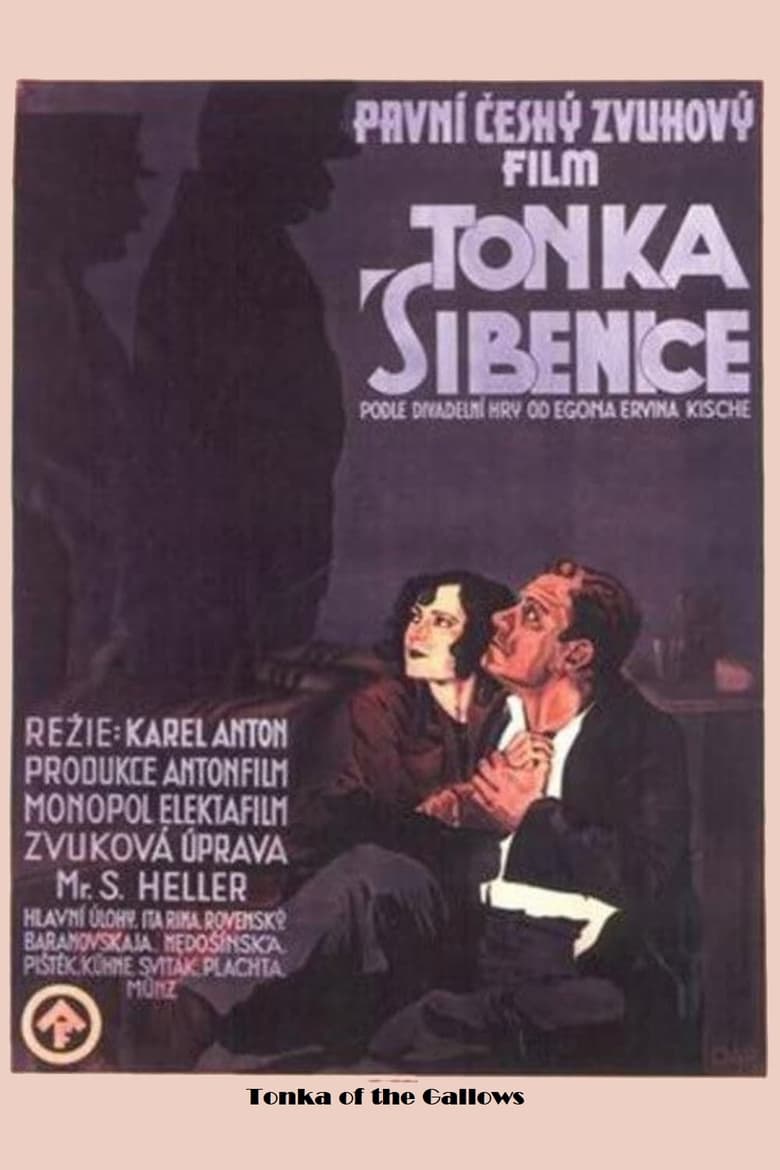
Melodramatic story of an innocent country girl (Ita Rina) who struggles to make a living in the city as a prostitute. As she provides last service to a murderer sentenced to death (Josef Rovenský), society condemns her and leads her to despair. This groundbreaking film directed by Karel Anton was made in 1930 as the first Czech feature movie with post-synchronised soundtrack, recorded in France. International star cast, sensitive adaptation of Egon Erwin Kisch’s short story and innovative combination of silent and sound film features make this movie an artwork of European significance.
Overall Score
Limited
Category Breakdown
LGBTQ+ Representation
The narrative lacks LGBTQ+ characters or non-heteronormative identities. The story focuses on a central female protagonist within a traditional social melodrama.
Gender Representation
The film centers on a female protagonist whose survivalism drives the plot. She is portrayed as a complex figure navigating a predatory urban environment rather than a passive archetype.
Racial & Ethnic Diversity
The production reflects a specific European historical context with no evidence of significant ethnic diversity. It lacks a non-Anglo-Saxon majority cast.
Religious & Cultural Diversity
The film critiques institutional morality by framing societal condemnation as a source of despair. It deconstructs rigid moral structures through the lens of a marginalized figure.
Disability Representation
There is no mention of characters with visible or invisible disabilities in the narrative.
Strengths
Areas for Improvement
AI Analysis
Tonka of the Gallows is a socially conscious drama that prioritizes character complexity over demographic breadth. It succeeds by centering a woman's struggle against systemic judgment, offering a gritty look at survival rather than idealized femininity. However, the film remains limited by its historical context. It lacks representation for LGBTQ+ identities and ethnic diversity, focusing instead on a localized European social realism. Ultimately, the film's strength lies in its narrative sophistication. It challenges traditional moral authorities, even if it does not meet modern intersectional standards for diverse casting.
1931
1930
1934
1931
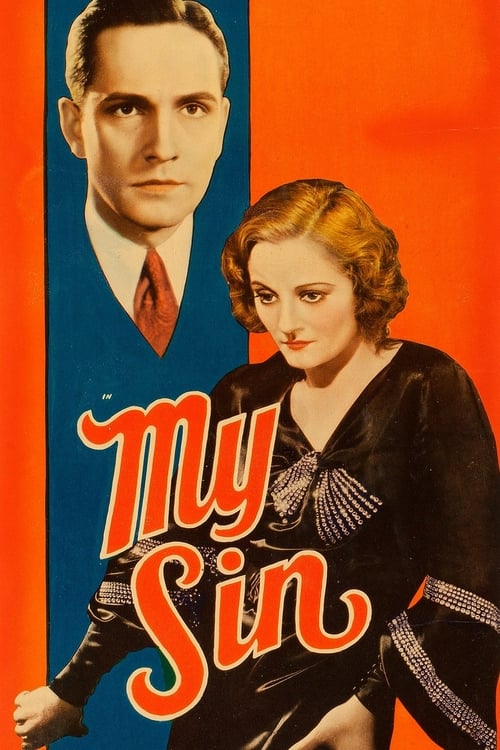
1931
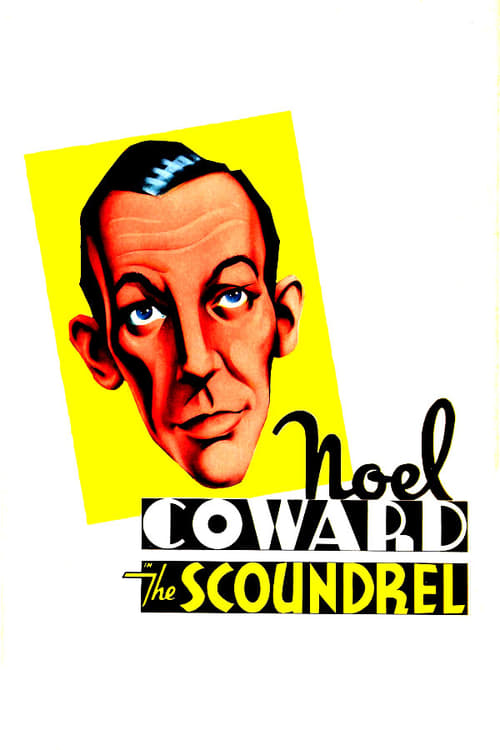
1935
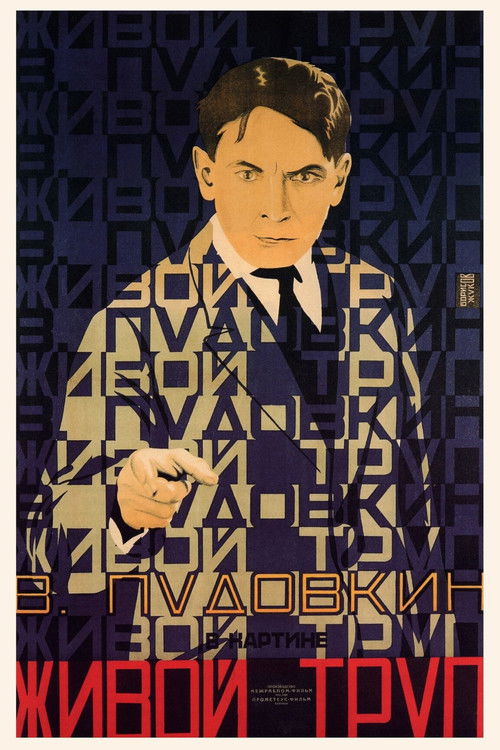
1929
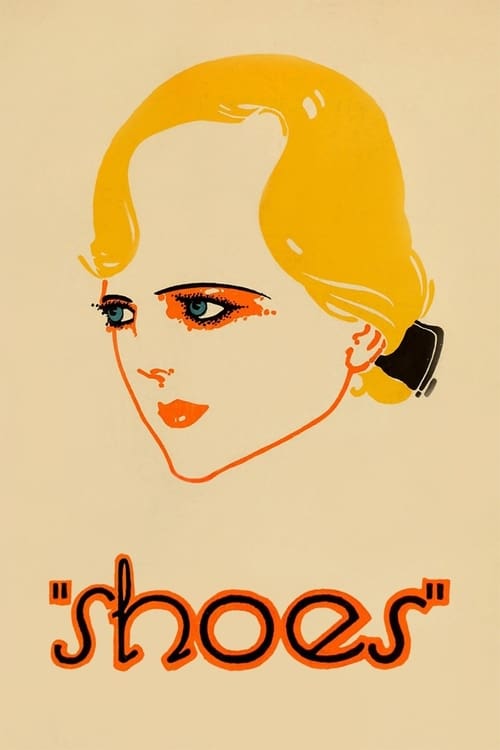
1916
1930

1933
1935
1923
No reviews yet. Be the first to share your thoughts on this movie!
Use the rating form above to leave a star rating and optional review.