
Tonka of the Gallows
1930
No user ratings available yet
Diversity score: 3.7 out of 10

1931
NRDirector
Edgar Selwyn
Runtime
75 minutes
Average Rating
No ratings yetSynopsis
Out of jail for a crime she did not commit, Madelon turns to prostitution and thievery to send her illegitimate son to medical school.
Overall Score
Fair
Category Breakdown
LGBTQ+ Representation
The film focuses on heteronormative reproductive struggles and maternal sacrifice. No queer subtext or non-cisnormative identities appear within the character arcs.
Gender Representation
Madelon Claudet disrupts early 20th-century femininity by exercising significant agency. She navigates life outside patriarchal structures, prioritizing willpower and intellect over social decorum.
Racial & Ethnic Diversity
The cast is predominantly white, reflecting the demographic homogeneity of a French mining community. It lacks diverse ethnic representation or color-blind casting.
Religious & Cultural Diversity
The narrative challenges singular Christian morality through moral relativism. It frames the protagonist's actions as systemic necessities driven by socioeconomic hardship rather than simple criminality.
Disability Representation
There are no prominent depictions of physical or neurodivergent disabilities that drive the narrative.
Strengths
Areas for Improvement
AI Analysis
The film is a product of the Pre-Code era, allowing for a level of thematic subversion regarding social mores. While it lacks modern intersectional breadth, particularly in racial and LGBTQ+ representation, it excels in its nuanced handling of gender and class. The protagonist's journey subverts the 'virtuous mother' trope, replacing it with a complex figure who uses autonomy to survive a harsh social order. This focus on situational ethics provides a sophisticated departure from the standard moralistic dramas of the 1930s.
1930
1931

1933
1917
1930
1923
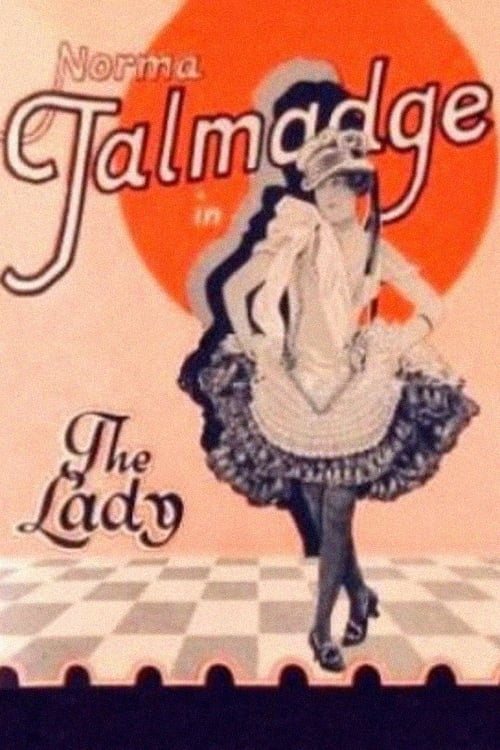
1925
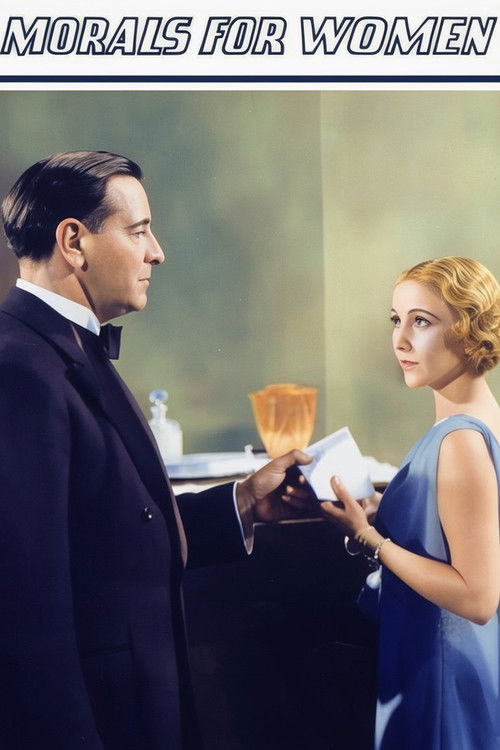
1931
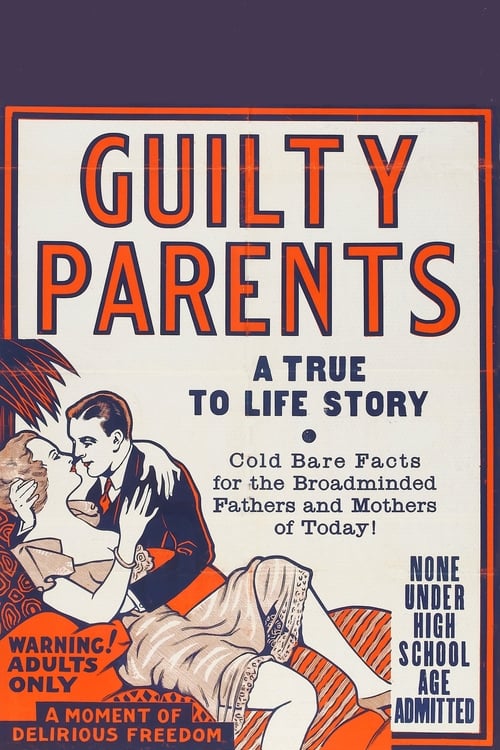
1934
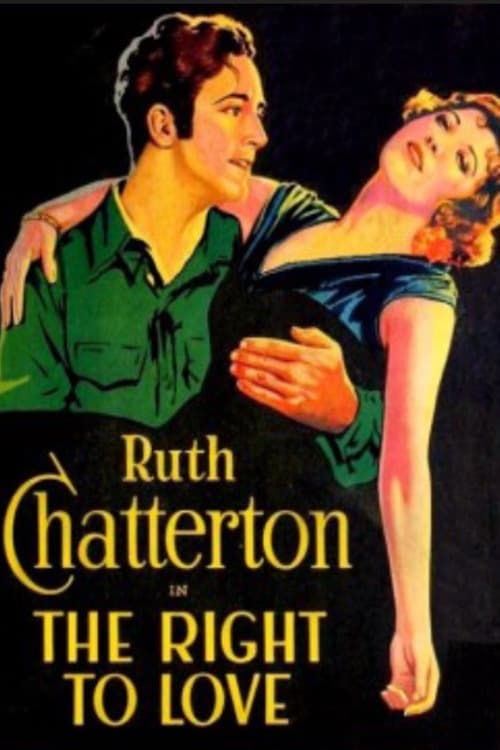
1930

1930
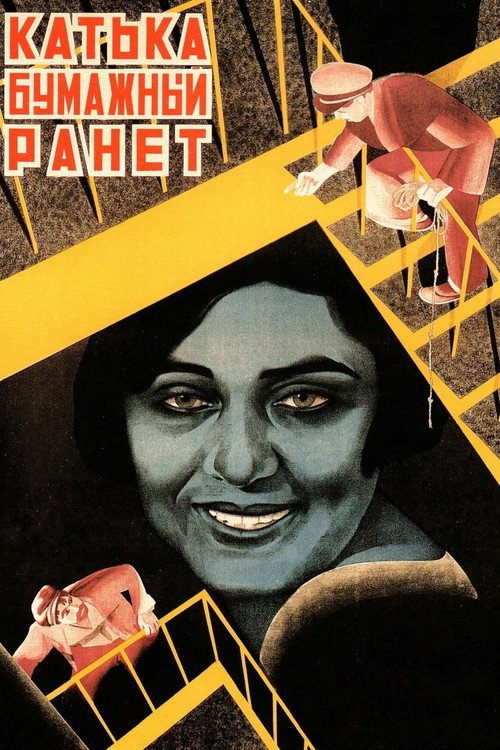
1926
No reviews yet. Be the first to share your thoughts on this movie!
Use the rating form above to leave a star rating and optional review.