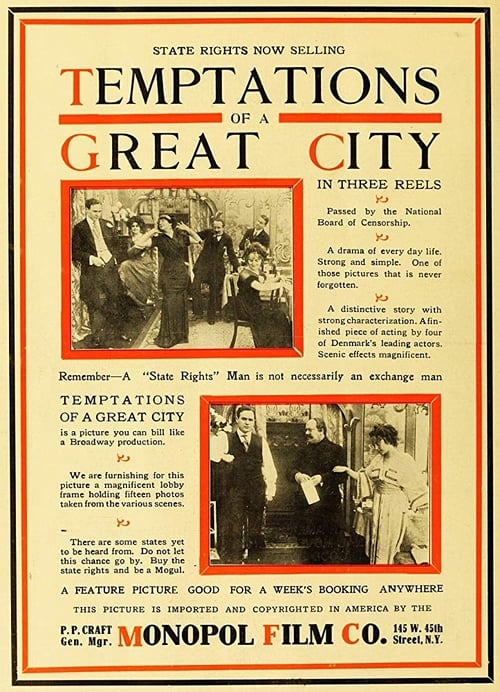
Temptations of a Great City
1911
No user ratings available yet
Diversity score: 2.8 out of 10
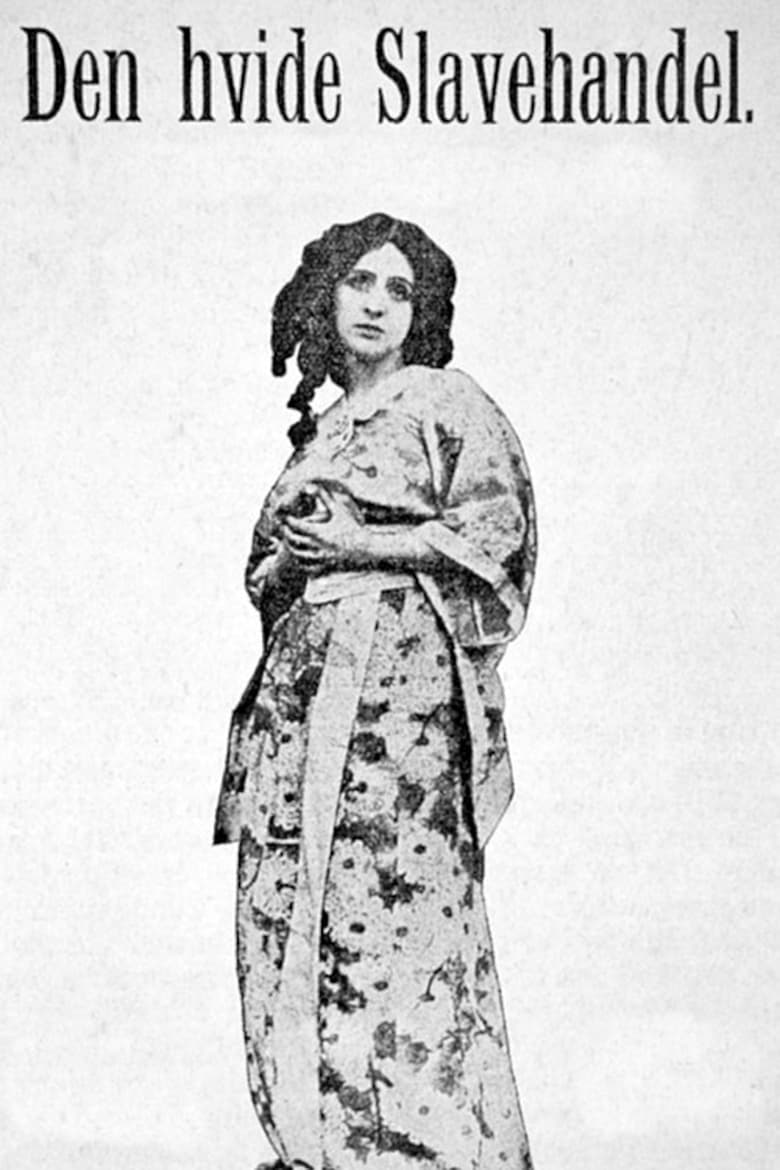
1910
Director
August Blom
Runtime
33 minutes
Average Rating
No ratings yetSynopsis
Anna, a beautiful girl from a poor background, is offered a well-paid position as a lady's companion in London. Anna's boyfriend, the sceptical Georg, suspects that the job offer is too good to be true, but Anna dismisses him and reports to the London address. The stately home in England turns out to be a whorehouse that imports women from Denmark. Anna manages to overpower her first client but is unable to escape.
Overall Score
Limited
Category Breakdown
LGBTQ+ Representation
The story centers on a heterosexual romance between Anna and Georg. No non-cisnormative identities or critiques of heteronormativity are present.
Gender Representation
Anna serves as a central figure whose arc explores female agency through resistance. However, the plot remains focused on women's vulnerability to patriarchal economic structures.
Racial & Ethnic Diversity
The cast appears homogeneous, focusing on Danish and English characters. The narrative emphasizes national and class-based exploitation rather than racial or ethnic diversity.
Religious & Cultural Diversity
The film critiques systemic corruption by exposing the dark reality behind prestigious Western institutions. It uses a melodramatic framework to challenge the sanctity of international commerce.
Disability Representation
There is no documented evidence regarding the portrayal of physical or neurodivergent disabilities in this work.
Strengths
Areas for Improvement
AI Analysis
The film functions primarily as a social critique of systemic crime and class exploitation. While it offers a nuanced look at gendered vulnerability and resistance, it lacks modern intersectional depth. The narrative is rooted in the melodramatic traditions of early Danish cinema, focusing on European social hierarchies. It lacks intentional identity-based storytelling or diverse casting. Ultimately, the work addresses historical social realities rather than providing a platform for diverse or marginalized identities.
1911
1943
1926

1927
1925

1915
1944
1948

1953
1913
1931

1937
No reviews yet. Be the first to share your thoughts on this movie!
Use the rating form above to leave a star rating and optional review.