
The Sin of Madelon Claudet
1931
No user ratings available yet
Representation score: 2.8 out of 10
Representation Score
Minimal
1930
Director
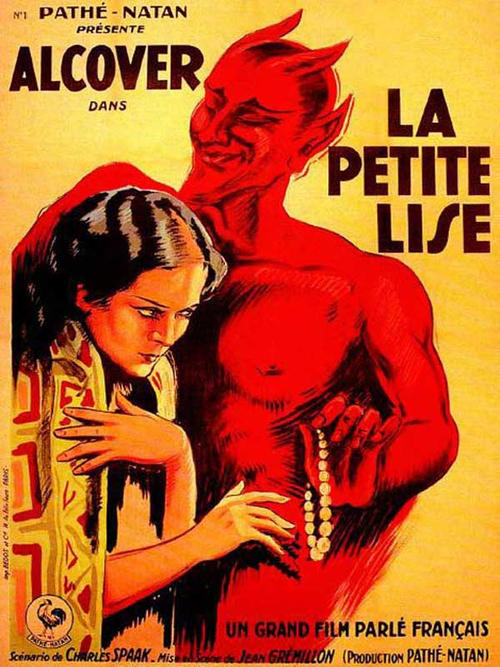
Jean Grémillon
Runtime
84 minutes
Average Rating
No ratings yetNew Showbiz Analysis
Jean Grémillon’s drama is a product of its time, prioritizing psychological realism over modern multi-layered markers. It replaces traditional moralizing with a gritty look at how systemic pressures affect underrepresented individuals. The film stands out by challenging the 'idealized family' cliché. Instead of a stable domestic unit, it presents a fractured world defined by jealousy and accidental crime. However, the work remains limited by the social norms of 1930s France. It lacks LGBTQ+ narratives and racial diversity, reflecting the demographic uniformity of the period.
Category Breakdown
The film does not include any characters with non-straight or non-cisgender identities. It focuses on traditional families and heterosexual relationships.
Lise is shown as a victim of male manipulation and violence. The story highlights female vulnerability within a patriarchal society and systemic power imbalances.
Set in Paris, the film seems to focus on a homogeneous social group. It aligns with the demographic uniformity typical of early 1930s French cinema.
The film challenges idealized family norms by focusing on homicide and criminality. It avoids wholesome morality, presenting institutions like family and law as sources of trauma.
There is no documented evidence of physical or neurodivergent disabilities being portrayed in this work.
Present on Screen
Limited or Absent
Official Synopsis
Victor Berthier, a good man but also a very jealous one, killed his wife in a fit of jealousy. After serving a few years in a chain gang, he is released for good behavior. He feels very happy to be able to return to Paris and to meet Lise, his daughter, again. But, to his dismay, he finds that Lise, through the fault of André, her lover and pimp, has unwillingly committed a murder.
1931

1931
1934

1952
1930

1930
1932

1933
No reviews yet. Be the first to share your thoughts on this movie!
Use the rating form above to leave a star rating and optional review.