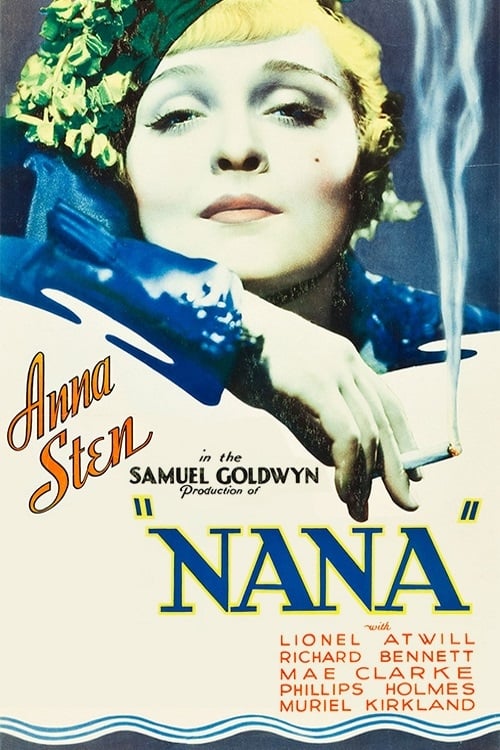
Nana
1934
No user ratings available yet
Representation score: 3.3 out of 10
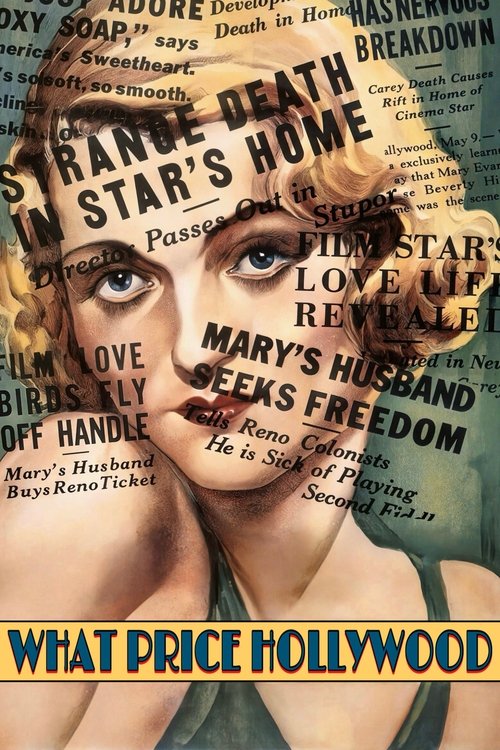
Representation Score
Limited
1932
NRDirector
George Cukor
Runtime
88 minutes
Average Rating
No ratings yetNew Showbiz Analysis
George Cukor’s direction offers a sophisticated examination of women's ability to drive the story, transcending the domestic clichés prevalent in the early 1930s. By focusing on Mary Evans' career journey, the film presents a nuanced portrayal of professional ambition in a male-dominated industry. However, the film is constrained by the era's limitations, offering minimal racial or LGBTQ+ diversity. The cast remains predominantly white and straight-centered, reflecting the social structures of the time. Ultimately, the film serves as a transitional work, challenging gendered expectations and moral absolutism while falling short in providing diverse representation.
Category Breakdown
The film centers on heterosexual relationships and traditional marriages, with no depiction of same-sex intimacy or non-binary gender identities.
Mary Evans' career advancement challenges traditional gender roles by highlighting female ambition and personal autonomy. The film delves into complex choices around infidelity rather than reinforcing submissive stereotypes.
The cast is predominantly white and upper-middle class, reflecting the homogeneity of the era's social structures. The film's setting is confined to a white, upper-class environment.
The narrative grapples with moral ambiguity and the complexities of ethical decision-making within the studio system. It avoids simplistic moralizing while remaining within the cultural norms of its time.
There is no representation of visible or invisible disabilities. Characters are shown within the context of typical physical and neurotypical social interactions.
Present on Screen
Limited or Absent
Official Synopsis
Sassy and ambitious waitress Mary Evans amuses and befriends amiable seldom-sober Hollywood film director Max Carey when he stumbles into her restaurant. Max invites Mary to his film premiere and, after a night of drinking and carousing, Mary is granted a screen test. A studio contract follows. Just as Mary finds her dreams coming true, Carey’s life and career begins its descent.
1934
1937
1976
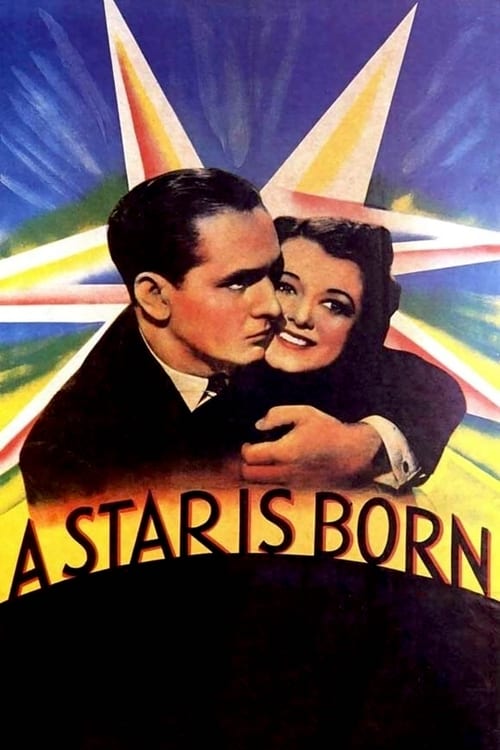
1937
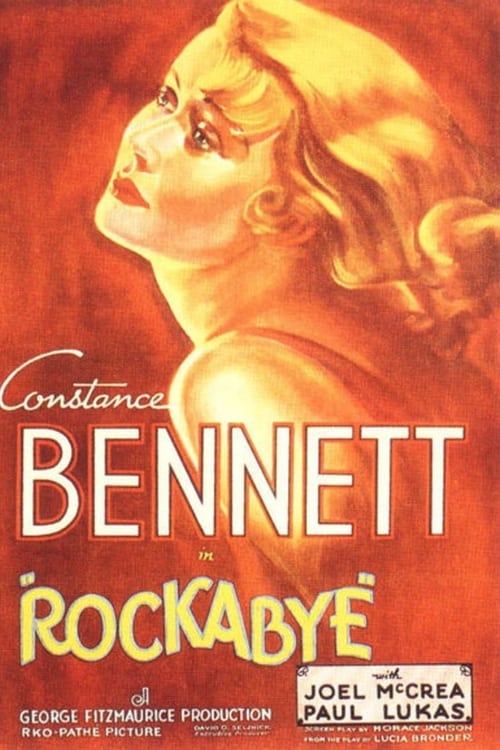
1932
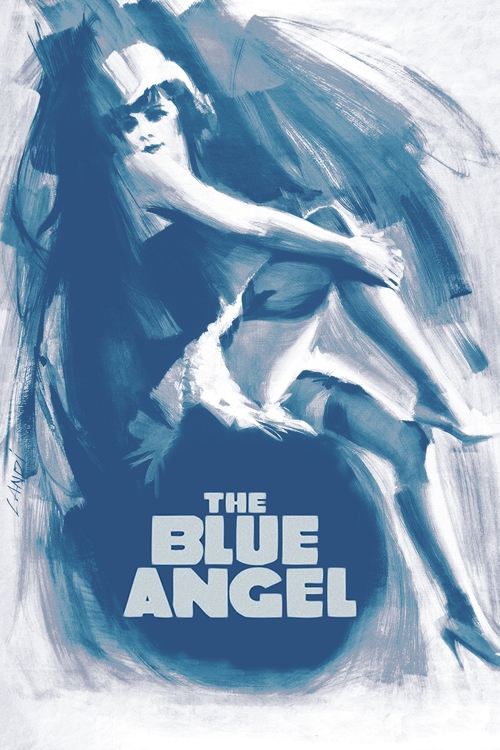
1930
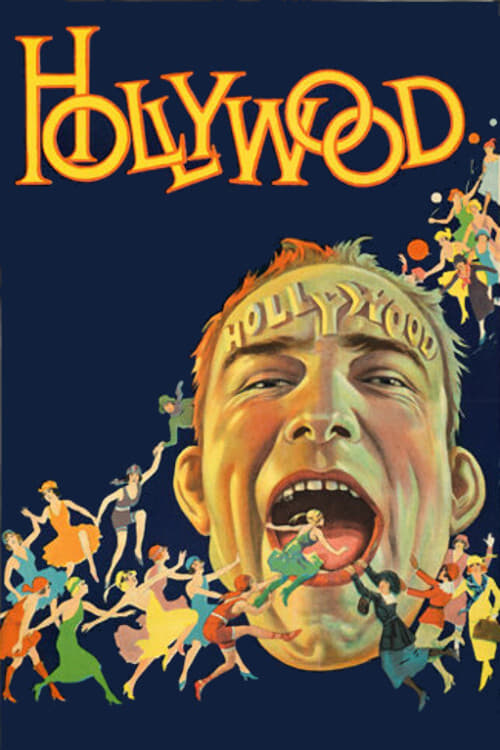
1923
1933
No reviews yet. Be the first to share your thoughts on this movie!
Use the rating form above to leave a star rating and optional review.