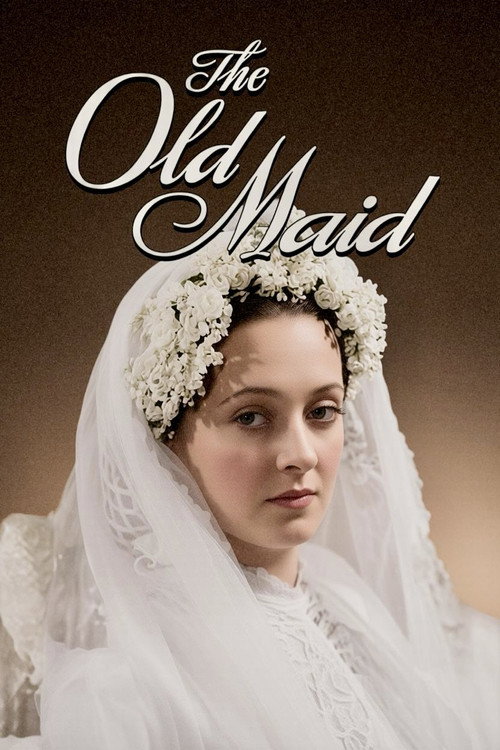
The Old Maid
1939
No user ratings available yet
Representation score: 3.0 out of 10
Representation Score
Minimal
1930
PassedDirector
Richard Wallace
Runtime
79 minutes
Average Rating
No ratings yetNew Showbiz Analysis
The film centers on a domestic crisis involving a mother and daughter separated by the stigma of illegitimacy. This thematic focus provides insight into the social tensions and moral pressures of the era, particularly regarding family legitimacy. However, the narrative lacks multi-layered complexity. It relies on traditional dramatic clichés and does not offer a broad spectrum of identities. Ultimately, the film reflects the limited social scope of early 1930s cinema, focusing on a singular, period-specific social taboo.
Category Breakdown
The film does not include any LGBTQ+ identities or queer narratives. The central conflict revolves around traditional reproductive and familial structures.
A female protagonist drives the emotional and social crisis. Although the mother-daughter dynamic offers a female-centric perspective, the narrative focuses on standard domesticity.
There is no indication of a non-white or multi-ethnic cast. The film adheres to the conventional casting norms typical of early 1930s Hollywood.
The theme of illegitimacy critiques strict moral and social codes. This focus implicitly questions the sanctity of the traditional family unit and social institutions.
No information is available regarding the inclusion of characters with physical or neurodivergent traits.
Present on Screen
Limited or Absent
Official Synopsis
A woman becomes estranged from her daughter when the girl learns that she is illegitimate.
1939
1920
1929

1929
1946

1929
1930
1934
No reviews yet. Be the first to share your thoughts on this movie!
Use the rating form above to leave a star rating and optional review.