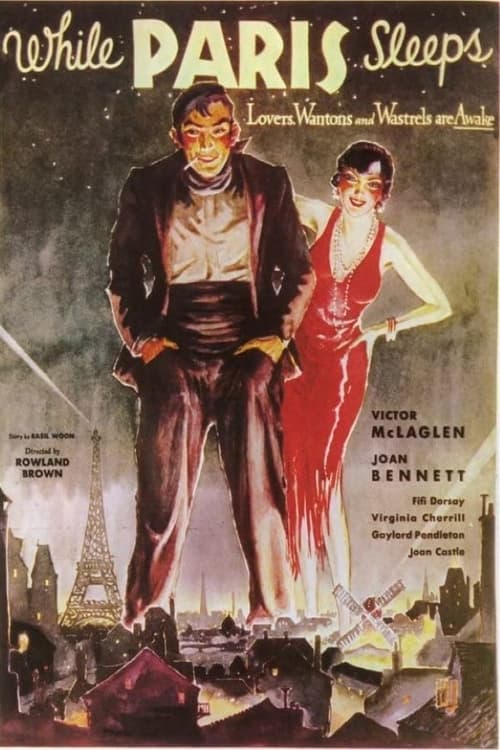
While Paris Sleeps
1932
No user ratings available yet
Representation score: 0.9 out of 10
Representation Score
Minimal
1926
Director
Arthur Robison
Runtime
99 minutes
Average Rating
No ratings yetNew Showbiz Analysis
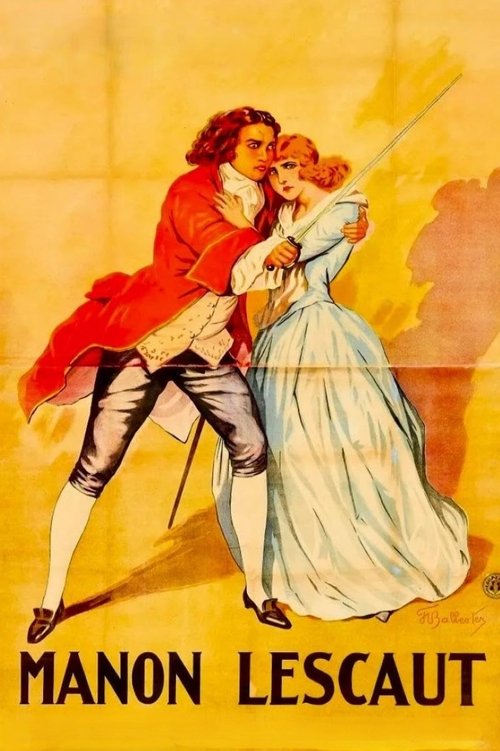
Manon Lescaut is a historical drama that closely follows the social norms of the 1920s. It does not incorporate modern markers of diversity, especially concerning race and LGBTQ+ identities, which limits its overall score. However, the film avoids being a simplistic melodrama by delving into class-based hierarchies. It presents a female protagonist who, despite the constraints of her time, uses social capital to navigate economic pressures. Overall, the film is traditionally cast but offers narrative complexity through its critique of wealth and social stratification.
Category Breakdown
The film does not include any LGBTQ+ characters or stories that go beyond traditional heterosexual relationships. The central conflict revolves around a conventional romantic plot.
Manon Lescaut operates within a male-dominated economic system, using her charm as a survival strategy. Her role is defined by her romantic utility and tragic circumstances.
The cast is made up of actors who share similar ethnic backgrounds, reflecting the Eurocentric society of 1926 France. There is no indication of racially diverse casting.
The film critiques the corruption within the aristocracy and the superficial nature of wealth. It shows how societal pressures push individuals towards unethical behavior.
There are no visible or invisible disabilities shown in the film. The story centers on the socioeconomic and romantic challenges faced by the main characters.
Present on Screen
Limited or Absent
Official Synopsis
A French adventurer fights to save a woman in the life of prostitution.
1932

1931
1954

1956
1931
1928
1925

1920
No reviews yet. Be the first to share your thoughts on this movie!
Use the rating form above to leave a star rating and optional review.