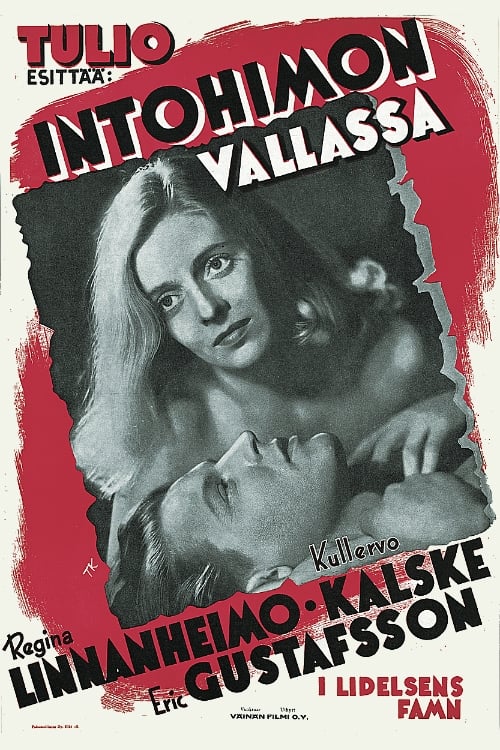
Intohimon vallassa
1947
No user ratings available yet
Representation score: 2.1 out of 10
Representation Score
Limited
1944
Director
Teuvo Tulio
Runtime
102 minutes
Average Rating
No ratings yetNew Showbiz Analysis
Teuvo Tulio’s melodrama centers on the psychological and social navigation of a female protagonist facing systemic vulnerabilities. While the film lacks modern diversity, it avoids traditional heroic masculinity by focusing on the precariousness of the working class. The narrative highlights the friction between personal control and restrictive social frameworks. It uses the protagonist's struggle for survival to critique rigid social hierarchies and the consequences of social displacement.
Category Breakdown
The film does not include any same-sex relationships or non-cisgender gender identities. It operates within a framework that assumes everyone is straight and cisgender.
Maija’s journey from a naive girl to a resilient urban worker showcases a strong focus on women's ability to drive the story. The narrative shifts from male stability to the woman's struggle for autonomy.
The production reflects the homogeneous demographic of 1944 Finland. There is no indication of racial blending or diverse casting within the localized setting.
The plot explores the tension between rural innocence and urban corruption. The protagonist's search for redemption through love adheres to traditional moral structures.
The character arcs do not mention or depict any visible or invisible disabilities.
Present on Screen
Limited or Absent
Official Synopsis
Once a naïve, love-struck girl now forsaken by her lover, Maija leaves her island home to work as a housemaid in the city, only to be seduced by her employer's son Erkki, then forced to leave the household in order to avoid the scandal of a pregnancy. With few prospects for a decent job, Maija is reduced to working as a bar hostess to make ends meet, ever fending off the advances of disreputable clients, even as she continues to hold out hope for an enduring love that will redeem her from her fate.
1947

1929

1946

1920
1940

1962
1944
1940
No reviews yet. Be the first to share your thoughts on this movie!
Use the rating form above to leave a star rating and optional review.