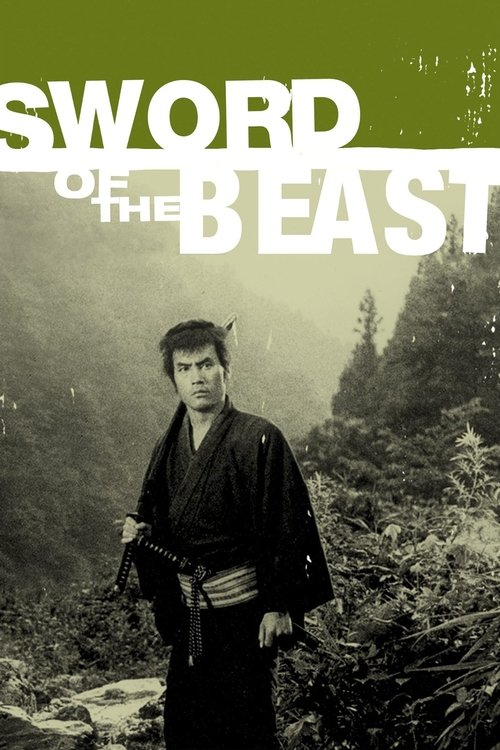
Sword of the Beast
1965
No user ratings available yet
Diversity score: 5.0 out of 10
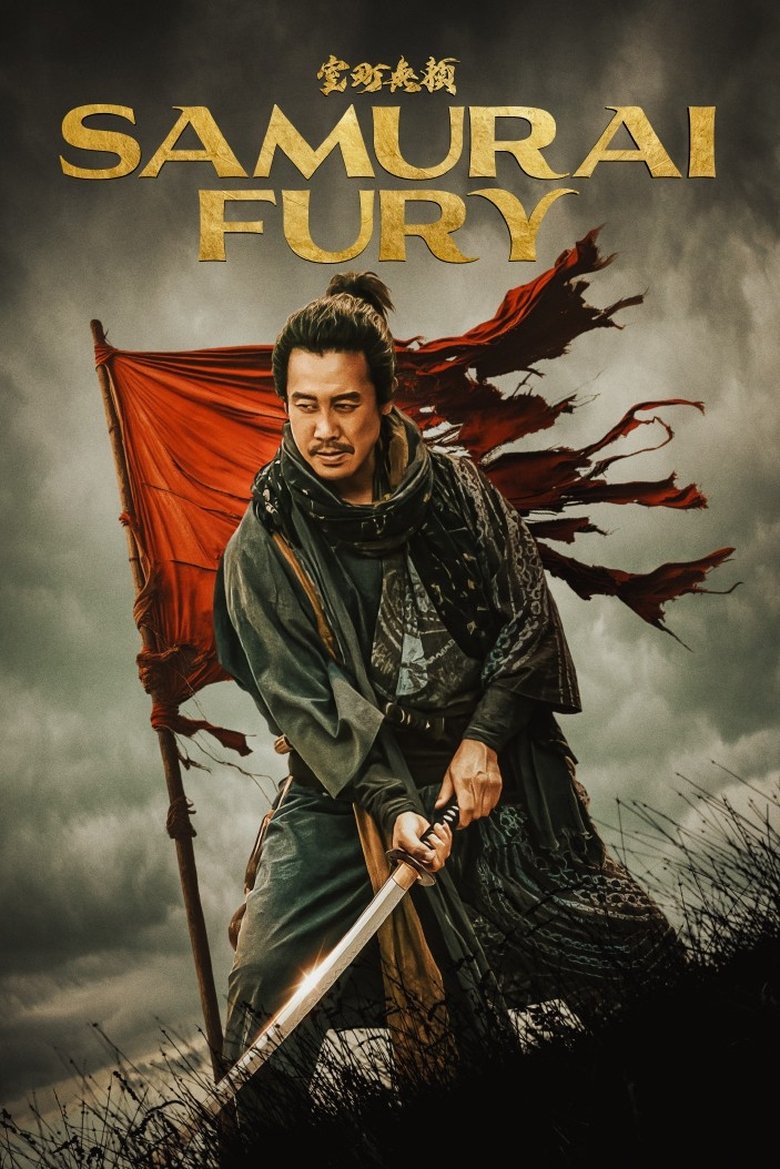
2025
Director
Yū Irie
Runtime
135 minutes
Average Rating
No ratings yetSynopsis
Set in war-torn 15th century Kyoto, on the eve of the Onin War, the movie centers on a band of outlaws led by Hyoe, a scoundrel whose lethal sword skills place him at the tip of the spear in a deadly uprising against the corrupt Shogunate and its army, led by former friend-turned-archrival Doken.
Overall Score
Fair
Category Breakdown
LGBTQ+ Representation
The narrative focuses on socio-political upheaval and the conflict between rōnin and the Shogunate. There is no visible evidence of LGBTQ+ characters or non-heteronormative relationship dynamics within the primary character arcs.
Gender Representation
The film centers on a marginalized class of outsiders rather than patriarchal Shogunate structures. While featuring prominent female actors, the plot emphasizes masculine-coded conflicts and subverts traditional noble warrior tropes.
Racial & Ethnic Diversity
Set in 15th-century Kyoto, the film operates within a historically homogeneous Japanese society. The narrative prioritizes class-based distinctions between the peasantry and the Shogunate over multi-ethnic representation.
Religious & Cultural Diversity
The story provides a sharp critique of systemic oppression by corrupt monks and the Shogunate. It frames the ruling class as predatory, prioritizing a grassroots uprising over traditional institutional stability.
Disability Representation
The available plot details and character summaries do not provide any information regarding the inclusion or portrayal of characters with physical or neurodivergent disabilities.
Strengths
Areas for Improvement
AI Analysis
Samurai Fury is a period epic that trades idealized heroism for a gritty, anti-authoritarian critique of 15th-century Japan. It finds its strength in deconstructing the legitimacy of the Shogunate and religious hierarchies during the Kanshō famine. While the film lacks explicit LGBTQ+ or racial diversity, it excels at portraying class-based struggle. By centering on a morally ambiguous scoundrel rather than a noble warrior, it challenges conventional historical narratives of order. The production remains tethered to the historical realities of the Muromachi period, focusing on the friction between the ruling elite and the starving populace.
1965

1964
1964
1970

2014
2005
1966
1972
1982
1935

1961
2011
No reviews yet. Be the first to share your thoughts on this movie!
Use the rating form above to leave a star rating and optional review.