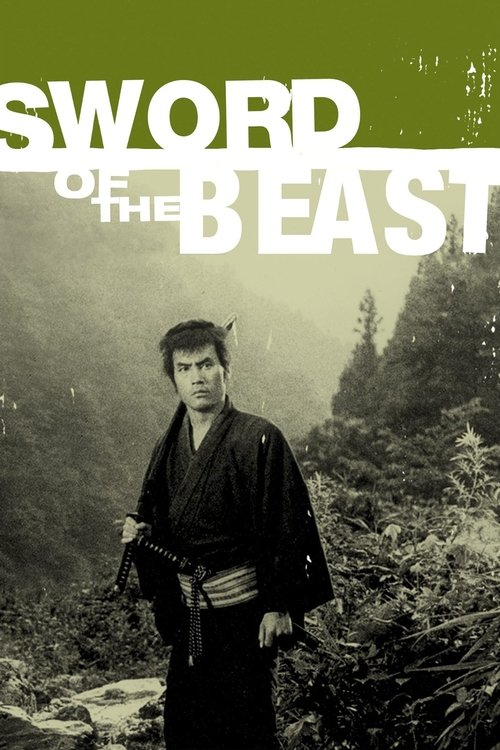
Sword of the Beast
1965
No user ratings available yet
Representation score: 4.3 out of 10

Representation Score
Limited
1964
Not RatedDirector
Hideo Gosha
Runtime
93 minutes
Average Rating
No ratings yetNew Showbiz Analysis
Three Outlaw Samurai is a period piece that prioritizes the perspective of the outsider. While it lacks modern diversity in terms of gender, LGBTQ+ identity, and disability, it excels at deconstructing institutional authority. The film uses the ronin archetype to challenge the legitimacy of the Shogunate's social structures. The narrative's strength lies in its critique of systemic corruption and the predatory nature of the ruling class. By centering on a rebellion against tax burdens, the film provides a powerful commentary on economic oppression. However, the film remains tethered to traditional gender hierarchies. Female characters function as objects of political leverage rather than independent actors, and the cast remains culturally homogeneous.
Category Breakdown
The film focuses entirely on the martial and socioeconomic conflicts of the Edo period. There are no queer characters or explorations of non-traditional gender identities.
Narrative ability to act is concentrated almost exclusively in male characters. The female lead serves primarily as a plot catalyst rather than an autonomous agent.
The setting depicts a culturally homogeneous society. It centers on ronin who exist on the periphery of the established social hierarchy.
The story offers a sophisticated critique of corrupt institutional hierarchies. It portrays the peasantry's rebellion against oppressive economic structures and centralized authority.
There is no meaningful portrayal of physical or neurodivergent disabilities. Characters are defined by their physical combat utility and prowess.
Present on Screen
Limited or Absent
Official Synopsis
Shiba, a wandering ronin, encounters a band of peasants who have kidnapped the daughter of their dictatorial magistrate, in hopes of coercing from him a reduction in taxes. Shiba takes up their fight, joined by two renegades from the magistrate's guard, Sakura and Kikyo. The three outlaws find themselves in a battle to the death.
1965
1967

1954
1962
1969
1965
1970
1970
No reviews yet. Be the first to share your thoughts on this movie!
Use the rating form above to leave a star rating and optional review.