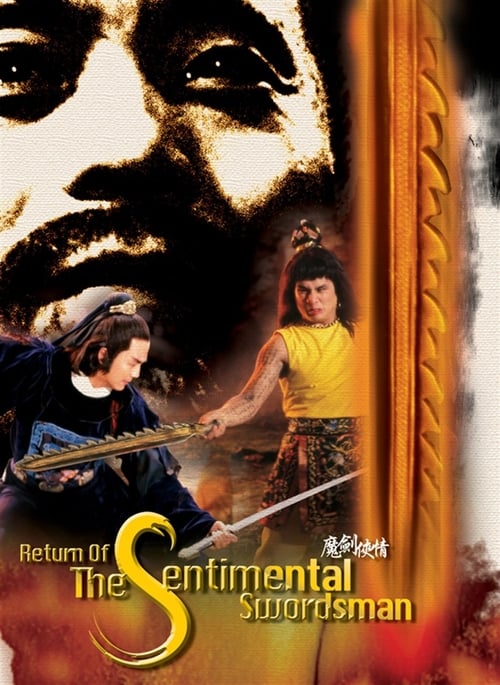
Return of the Sentimental Swordsman
1981
No user ratings available yet
Diversity score: 4.2 out of 10
1982
RDirector
Kōsei Saitō
Runtime
100 minutes
Average Rating
No ratings yetSynopsis
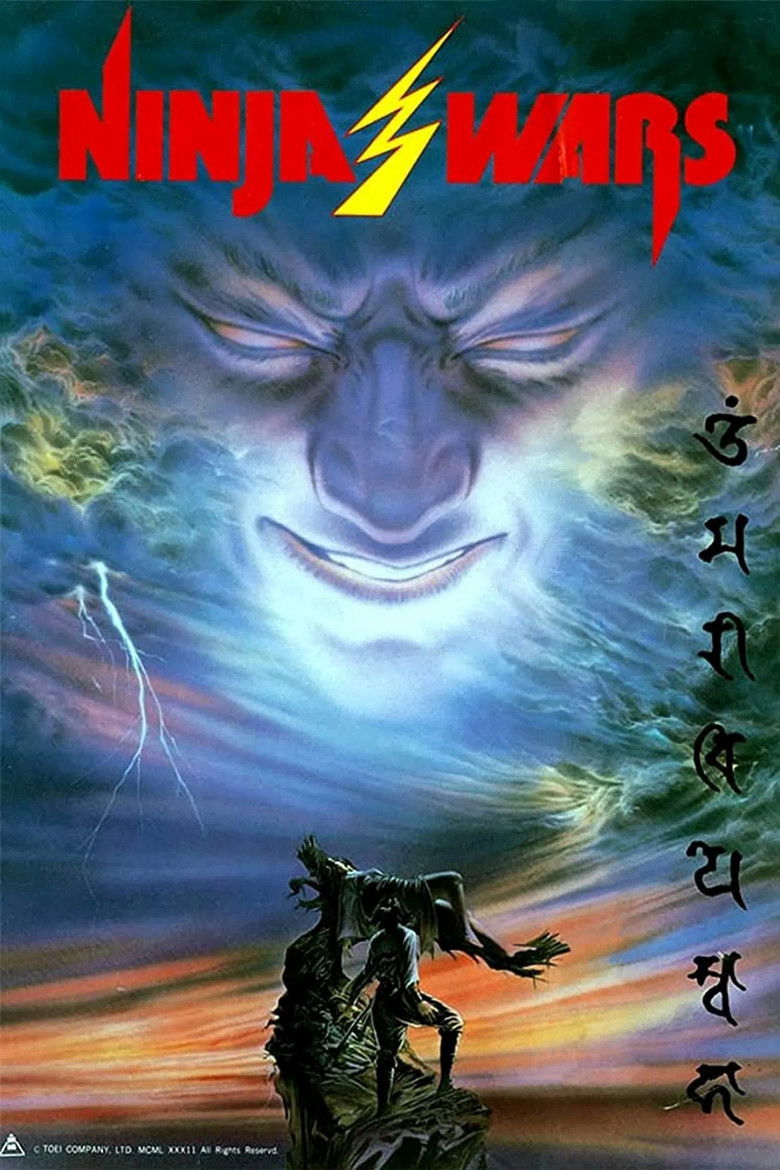
A fortuneteller prophesizes that whoever marries the beautiful Ukio will become the ruler of the world. Naturally, this makes her very popular with those vying for power, particularly the insatiably greedy Lord Donjo. Only the ninja Jotaro can stop Donjo's plan, but to do so, he must first battle the deadly team of "Devil Monks" serving the lord. Will Jotaro succeed in his mission? And if so, will Ukio marry him, thus making him the ruler of the world?
Overall Score
Limited
Category Breakdown
LGBTQ+ Representation
The plot centers on a marriage-based prophecy involving Ukio. This focus suggests a conventional approach to romance, with no evidence of non-cisnormative identities or critiques of heteronormativity.
Gender Representation
Ukio serves primarily as a catalyst for male agency and political power. While central to the prophecy, she functions more as a prize than a character driving the plot through independent strength.
Racial & Ethnic Diversity
As a Japanese period piece, the film depicts a culturally homogeneous setting. The lack of diverse ethnic representation reflects the specific historical and social constraints of the era.
Religious & Cultural Diversity
The narrative relies on traditional power hierarchies and classical storytelling structures. Themes of prophecy and lordship revolve around the acquisition of authority rather than subverting institutional norms.
Disability Representation
The film provides no mention of characters with visible or invisible disabilities. There is no information regarding the portrayal of neurodivergence or physical impairments.
Strengths
Areas for Improvement
AI Analysis
Ninja Wars follows the traditional tropes of the 1980s chanbara genre. The story is driven by a prophecy regarding marriage and world dominion, which reinforces established social hierarchies and gendered roles. The film prioritizes classical heroism and destiny over subversive storytelling. While it adheres to the historical context of a Japanese period piece, it offers little in the way of modern intersectional representation. Ultimately, the narrative functions as a conventional action-drama where characters serve specific archetypal functions within a rigid social structure.
1981
1965
1976

1961
1980
1979
1964

1982
1978
1980
1968
1966
No reviews yet. Be the first to share your thoughts on this movie!
Use the rating form above to leave a star rating and optional review.