Shinobi no mono 7: Mist Saizo Strikes Back
1966
No user ratings available yet
Representation score: 3.9 out of 10
Representation Score
Fair
1964
Not RatedDirector
Eiichi Kudō
Runtime
118 minutes
Average Rating
No ratings yetNew Showbiz Analysis
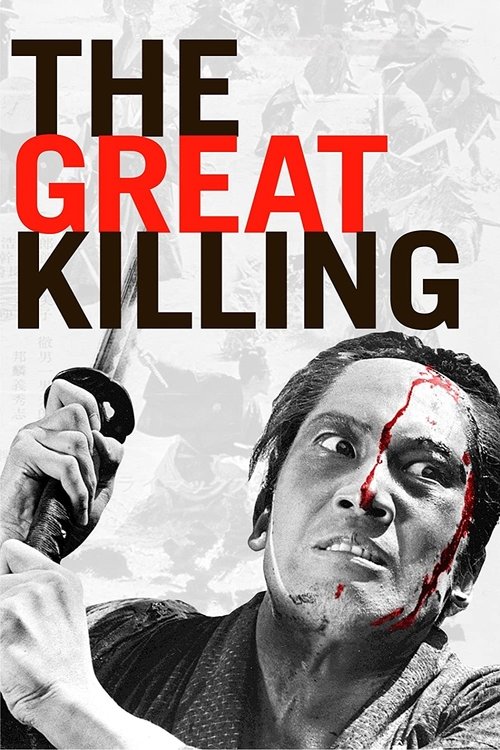
The Great Killing is a period drama that emphasizes historical accuracy and political nihilism over diverse representation. While it falls short in providing meaningful roles for women, LGBTQ+ individuals, or those with disabilities, it excels as a cultural critique. The film leverages the 17th-century Japanese setting to question the legitimacy of institutions. It replaces traditional moral absolutes with situational ethics and a rejection of state authority. Ultimately, the film's strength lies in its nuanced critique of social hierarchies rather than its range of character identities.
Category Breakdown
The film does not feature any identifiable LGBTQ+ characters or storylines. The focus is on the violent and male-dominated political and delinquent environments without any queer themes.
The story unfolds within a strict masculine framework. Women are mostly sidelined, serving as objects within the male characters' pursuit of power or satisfaction.
Set in 17th-century Japan, the cast is ethnically uniform. The narrative is deeply embedded in a specific historical and cultural context.
The film shines in its critique of established institutions. It depicts the Shogunate as corrupt and manipulative, challenging traditional ideas of authority and social order.
There is no indication of characters with disabilities being given significant roles. The plot centers on the physical abilities and political strategies of the main characters.
Present on Screen
Limited or Absent
Official Synopsis
A cynical samurai is left as the sole survivor to fulfill a plot to assassinate the puppet of a villain intent on usurping the shogunate in the 17th century. A Shogunate Elder connives to rule Japan by making his puppet, the Shogun's brother Tsunashige, the next Shogun. The best strategist in Japan, Yamaga, leads a plot to stop the Elder, but his cabal is betrayed and most of the conspirators are captured and tortured.
1966
1972
1963

1964
1999
1980
1978
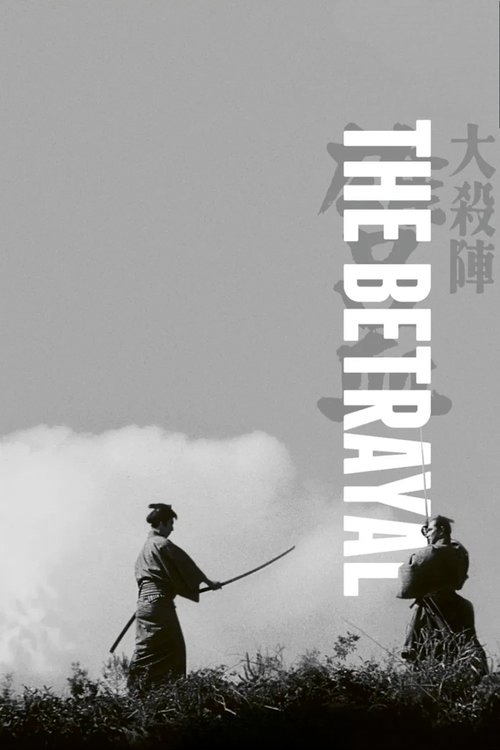
1966
No reviews yet. Be the first to share your thoughts on this movie!
Use the rating form above to leave a star rating and optional review.