
Three Outlaw Samurai
1964
No user ratings available yet
Representation score: 3.8 out of 10
Representation Score
Fair
1965
Not RatedDirector
Hideo Gosha
Runtime
85 minutes
Average Rating
No ratings yetNew Showbiz Analysis
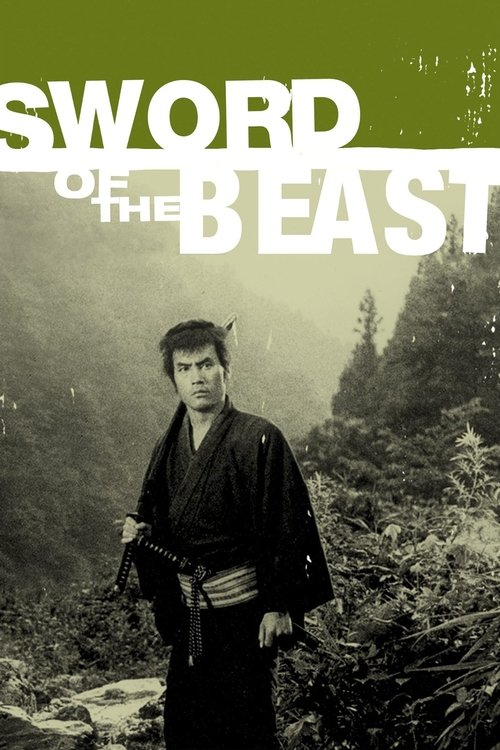
Hideo Gosha’s *Sword of the Beast* functions as a gritty deconstruction of the *chanbara* genre. Rather than celebrating the idealized bushido code, the film explores the harsh reality of social exclusion and the breakdown of institutional loyalty. The narrative finds its strength in its subversion of class and authority. By centering on a disgraced swordsman and a group of outcasts, the film shifts the focus from the ruling Shogunate to the disenfranchised lower strata of society. However, the film remains limited by its traditional period setting. The focus on masculine combat and the lack of diverse identity representations keep the overall diversity score moderate.
Category Breakdown
The film does not explicitly depict LGBTQ+ identities or non-straight relationships. Instead, it focuses on the protagonist's isolation and his bond with a group of social outcasts.
The story centers on masculine figures involved in violence and survival. Character roles are primarily defined by male combatants and traditional power struggles between swordsmen.
Set in Edo-period Japan, the cast is ethnically uniform. However, the narrative challenges social hierarchies by focusing on low-ranking swordsmen and underrepresented illegal miners.
The film critiques institutional morality by portraying the Shogunate as corrupt. It emphasizes individual survival and situational ethics over the sanctity of established social orders.
There is no evidence of physical or neurodivergent disabilities playing a central role in the character arcs or plot.
Present on Screen
Limited or Absent
Official Synopsis
Legendary swordplay filmmaker Hideo Gosha's Sword of the Beast chronicles the flight of the low-level swordsman Gennosuke, who kills one of his ministers as part of a reform plot. His former comrades then turn on him, and this betrayal so shakes his sense of honor that he decides to live in the wild, like an animal. There he joins up with a motley group who are illegally mining the shogun’s gold, and, with the aid of another swordsman, gets a chance not just at survival but to recover his name and honor.
1964
1967
1966
1960
1961
1970
1967
1969
No reviews yet. Be the first to share your thoughts on this movie!
Use the rating form above to leave a star rating and optional review.