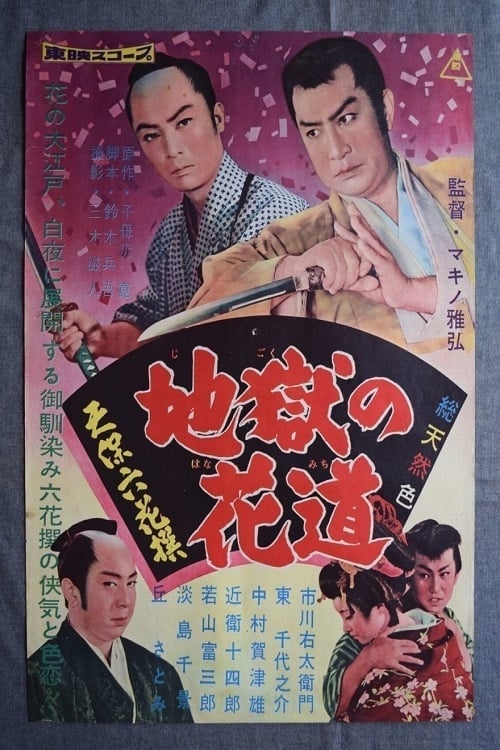
Runway to Hell
1960
No user ratings available yet
Representation score: 2.8 out of 10
Representation Score
Minimal
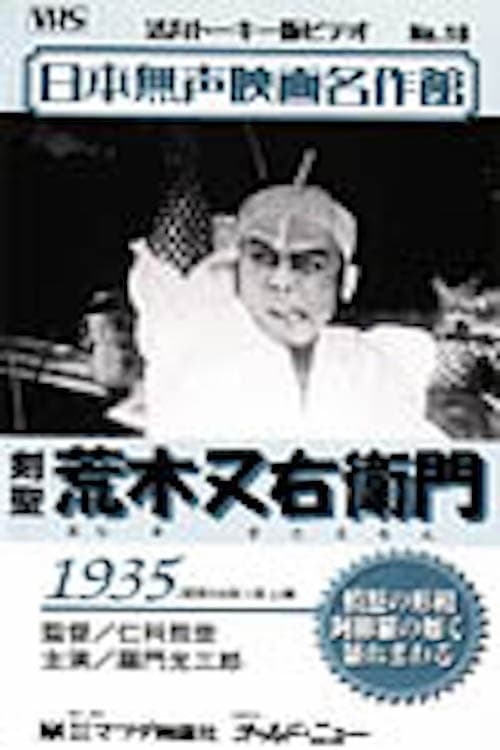
1935
Director
Kumahiko Nishina
Runtime
45 minutes
Average Rating
No ratings yetNew Showbiz Analysis
Araki Mataemon is a traditional jidaigeki that prioritizes historical authenticity and period-specific social hierarchies over modern inclusive representation. The narrative is driven by masculine archetypes, focusing on the martial prowess and blood feuds central to samurai culture. While the film offers a detailed look into the legalistic nuances of feudal honor, it engages minimally with diverse identities. The focus remains on the political landscapes of the Tokugawa and Toyotomi eras, reinforcing the status quo of the period.
Category Breakdown
The film does not include any LGBTQ+ characters or stories. It centers on traditional themes like honor, family lineage, and blood feuds.
The story revolves around male-driven conflicts and masculine ideas of vengeance. Male characters play the key roles throughout the film.
Set in feudal Japan, the film portrays a culturally uniform society. It accurately reflects the social hierarchies of the time.
The story delves into the ethical complexities of revenge killings within traditional Japanese morals. It emphasizes feudal loyalty and established social structures.
There are no characters with physical or neurodivergent disabilities in the film.
Present on Screen
Limited or Absent
Official Synopsis
Araki Mataemon was a very strong warrior, and his feud against the samurai Kawai Matagorō is one of the most famous in Japan. Matagoro killed Gendayu, the little brother of Mataemon's brother in law, Watanabe Kazuma. Becoming a murderer out of jealousy for a childhood friend, Matagoro fled in another domain, using friends of his father and his lineage linked to Tokugawa Ieyasu. It was somehow a complicated matter, as it seems at that time, a law from Toyotomi Hideyoshi allowed a little brother taking revenge for his elder brother, but not the reverse. After some years, the lord of Kazuma and Mataemon found a way, and they were allowed to take revenge for the murder. They fought and killed Matagoro and just one other samurai who was helping the culprit. It seems at that time, Kazuma was Mataemon's only assistant.
1960
1967
1961

1964
1972
1980
1958
1966
No reviews yet. Be the first to share your thoughts on this movie!
Use the rating form above to leave a star rating and optional review.