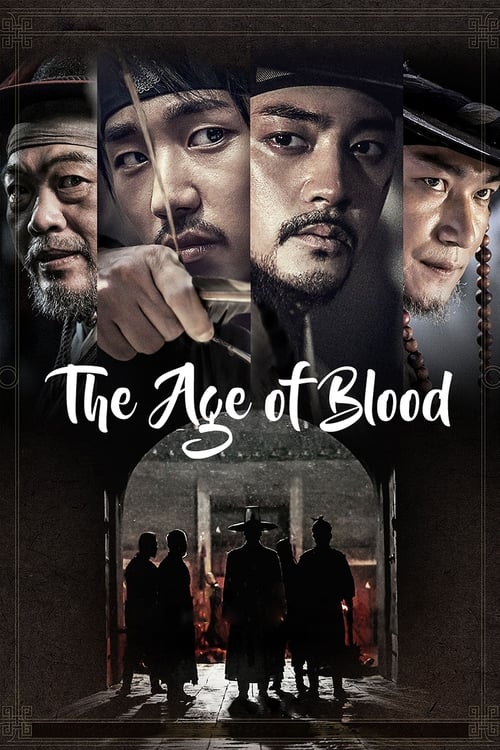
The Age of Blood
2017
No user ratings available yet
Representation score: 4.5 out of 10

Representation Score
Good
2014
Not RatedDirector
Yoon Jong-bin
Runtime
137 minutes
Average Rating
No ratings yetNew Showbiz Analysis
Kundo: Age of the Rampant is a sophisticated historical critique that highlights the perspectives of those sidelined by societal norms. Using its historical setting, it questions systemic corruption and the failures of centralized authority. The film excels in its cultural critique, presenting the ruling class as oppressive and exploring the legitimacy of social rebellion. While it offers strong gender representation, it lacks diversity in LGBTQ+ identities and disability representation, focusing instead on historical homogeneity and physical prowess.
Category Breakdown
The film focuses on a historical period without featuring non-cisgender identities or same-sex relationships.
The film challenges traditional Joseon-era hierarchies through strong female characters who play key roles in driving the plot.
Set in the Joseon Dynasty, the film portrays a culturally uniform Korean society. It achieves depth by showing various socioeconomic levels rather than blending multiple ethnicities.
The story opposes an oppressive aristocracy, validating social rebellion as a means to fight against corrupt systems.
The film does not significantly address visible or invisible disabilities. Characters are defined by their physical abilities or socioeconomic status.
Present on Screen
Limited or Absent
Official Synopsis
In 1862, amidst the rule of the late Joseon dynasty in Korea, a band of fighters named Kundo rise against the unjust authorities.
2017

2024
2011
2003
2010
2011

1972
2005
No reviews yet. Be the first to share your thoughts on this movie!
Use the rating form above to leave a star rating and optional review.