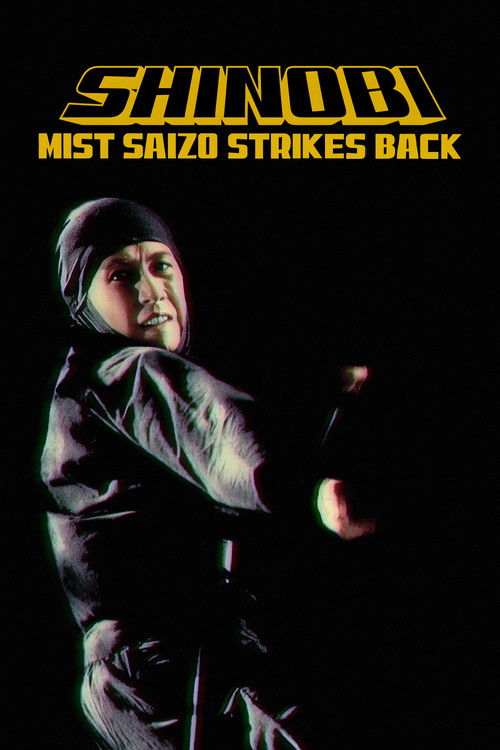
Shinobi no mono 7: Mist Saizo Strikes Back
1966
No user ratings available yet
Representation score: 3.9 out of 10

Representation Score
Limited
1961
Director
Shigehiro Ozawa
Runtime
91 minutes
Average Rating
No ratings yetNew Showbiz Analysis
The Red Shadow is a traditional historical drama that prioritizes period-accurate tension and martial conflict. Its narrative structure revolves around the power dynamics of the Tokugawa Shogunate, which inherently limits the scope of diverse representation. Adhering to the social constraints of 1960s historical cinema, the film lacks modern multi-layered elements. The focus remains strictly on the tactical movements of ninja and political struggles between established clans. Ultimately, the film serves as a reconstruction of a specific era rather than a tool for social subversion or diverse character exploration.
Category Breakdown
The film centers on geopolitical and military tensions after the Battle of Sekigahara. It does not include narratives about non-straight or non-cisgender identities or challenge assumptions about straight relationships.
Male figures of authority and combatants like Hattori Hanzo play key roles, while female characters likely stay within traditional roles without challenging established gender hierarchies.
The cast is ethnically uniform, mirroring the demographics of 17th-century Japan. The film focuses on internal clan dynamics rather than diverse ethnic backgrounds.
The story operates within traditional ethical frameworks of samurai honor and feudal loyalty. It emphasizes historical legacy over modern critiques of institutions.
There is no indication that disability plays a central role in the narrative. No characters are identified through visible or invisible disabilities.
Present on Screen
Limited or Absent
Official Synopsis
Fifteen years after Ishida Mitsunari lost in the battle of Sekigahara, Tokugawa Ieyasu foresees his unavoidable battle with Toyotomi Hideyori and goes into Fushimi Castle. At the night, Hattori Hanzo, the leader of 36 Iga members who were performing as guards of the castle, perceives the existence of a ninja and captures the mysterious sneaker.
1966
1972
1963
1962
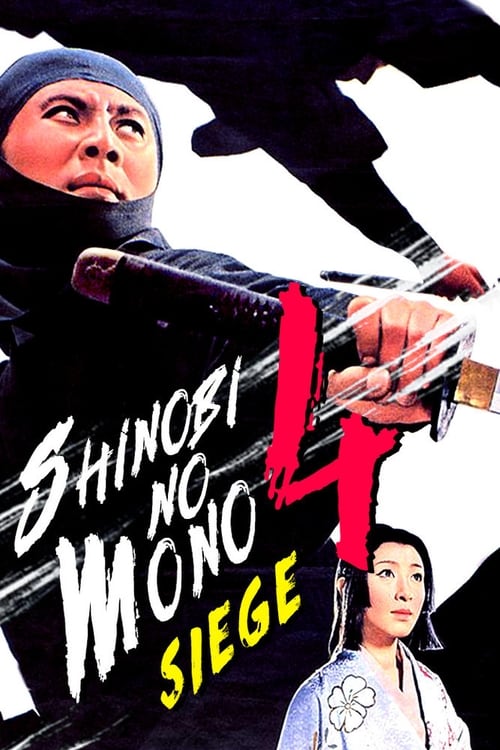
1964
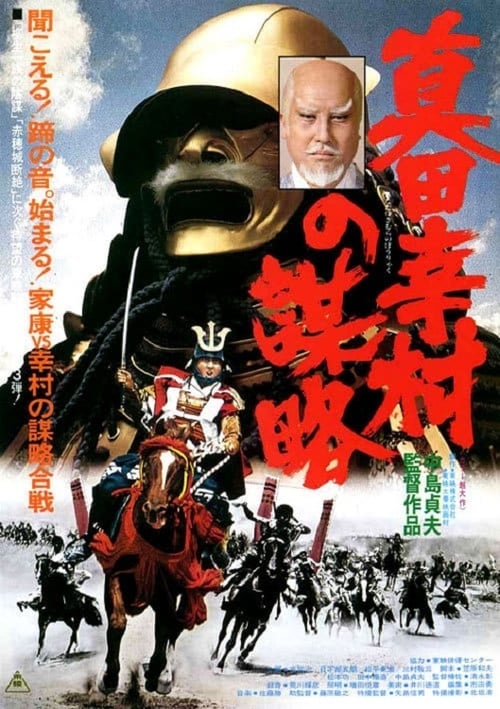
1979
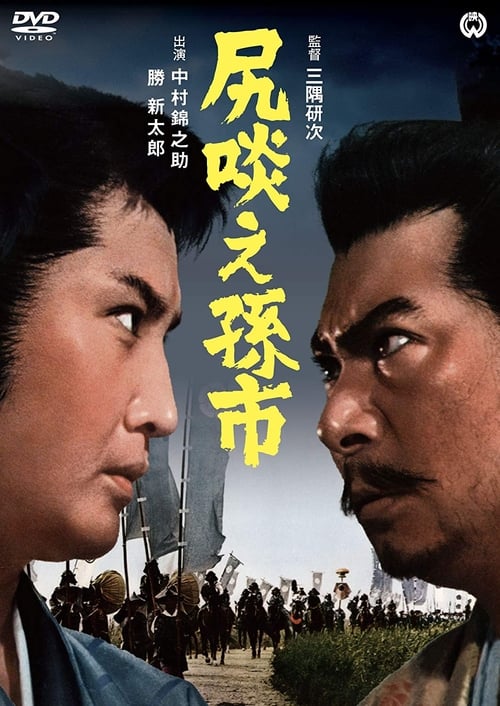
1969
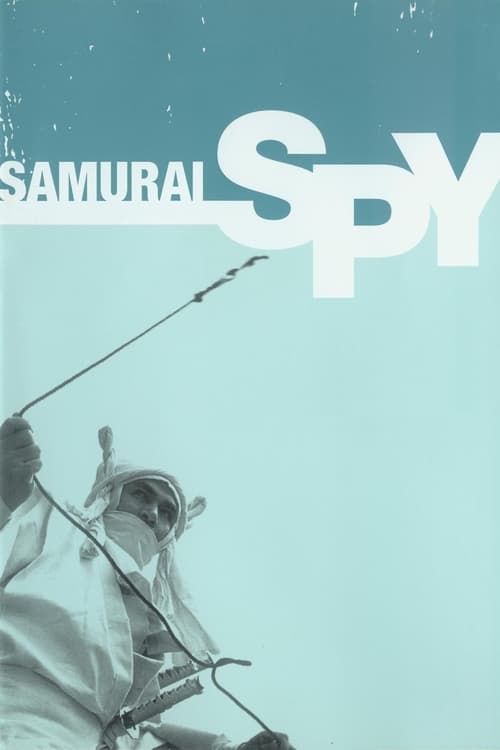
1965
No reviews yet. Be the first to share your thoughts on this movie!
Use the rating form above to leave a star rating and optional review.