
The Red Shadow
1961
No user ratings available yet
Representation score: 2.1 out of 10
Representation Score
Limited
1966
Director
Kazuo Mori
Runtime
86 minutes
Average Rating
No ratings yetNew Showbiz Analysis
This film is a traditional genre work that prioritizes historical martial storytelling over modern diversity. It focuses on the tension between individual roles and the rigid structures of feudal governance. While the film lacks diversity regarding gender and LGBTQ+ identities, it offers a nuanced look at systemic conflict. The narrative explores the struggle between established political hierarchies and the underrepresented existence of the ninja.
Category Breakdown
The film follows the conventions of 1960s Japanese action cinema and does not depict same-sex intimacy or non-cisgender identities.
The story centers around masculine archetypes of combat and honor. It lacks significant roles for women and remains within traditional genre formulas.
The cast is ethnically uniform, reflecting its 17th-century Japanese setting. It avoids the whitewashing seen in Western epics.
The narrative criticizes institutional authority by portraying the Tokugawa government as oppressive. It highlights clan-based morality over state stability.
Characters are defined by their physical prowess and combat skills. There is no significant focus on neurodivergence or physical disabilities.
Present on Screen
Limited or Absent
Official Synopsis
[Period covered: 1616] Kirigakure Saizo returns for the final time as he sets out to assassinate Tokugawa Ieyasu in order to avenge the death of Lord Sanada Yukimura. But first he must contend with Ieyasu’s own ninja group led by the powerful Fuma Daijuro, who has a score to settle with the men of Iga that dates back 280 years to the war between the Genji and the Heike at the Battle of Dan-no-Ura. Tremendous fighting and great plot twists highlight this exceptional look into the lives of the mysterious ninja of Japan.
1961
1972
1964
1962
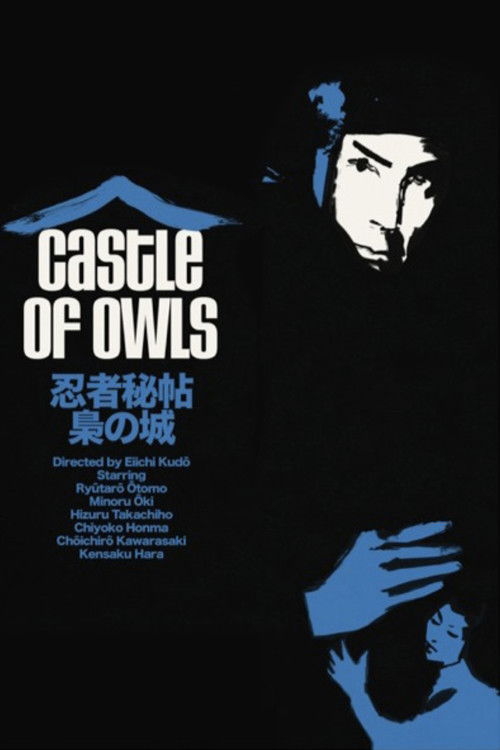
1963
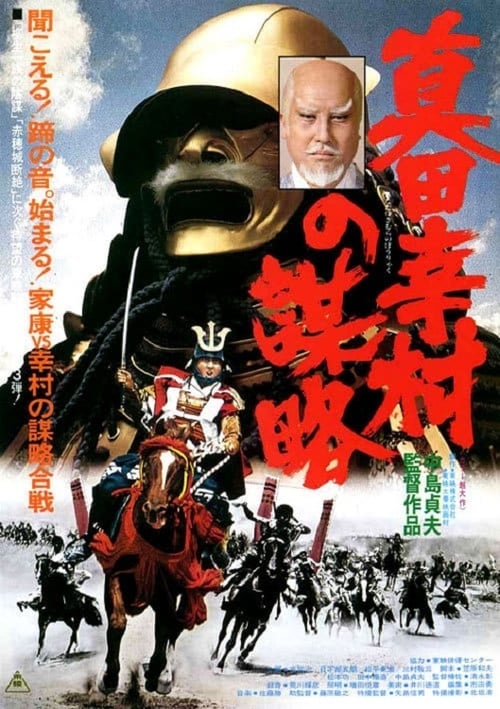
1979
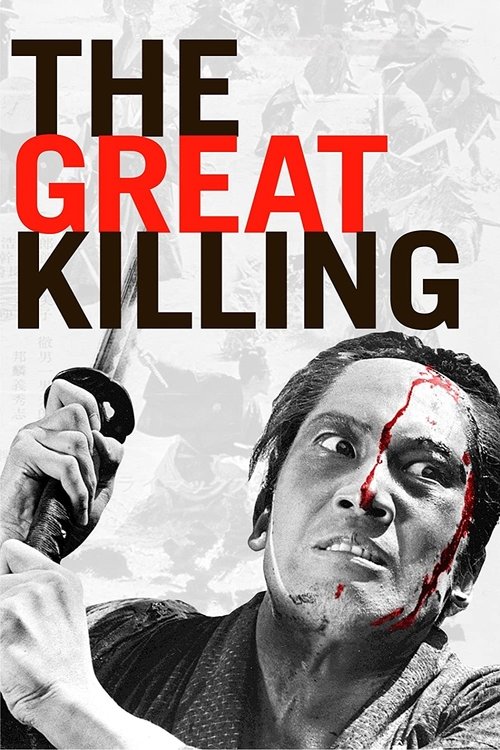
1964
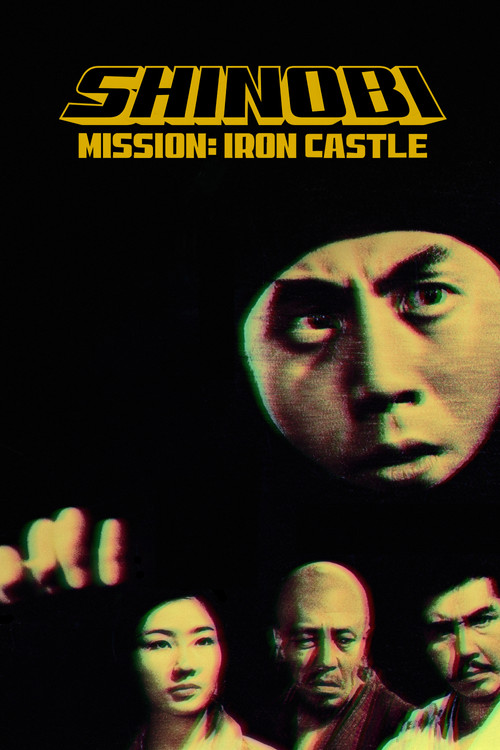
1970
No reviews yet. Be the first to share your thoughts on this movie!
Use the rating form above to leave a star rating and optional review.