Once Upon a Time in China V
1994
No user ratings available yet
Representation score: 6.5 out of 10
Representation Score
Limited
2005
RDirector
Tsui Hark
Runtime
152 minutes
Average Rating
No ratings yetNew Showbiz Analysis
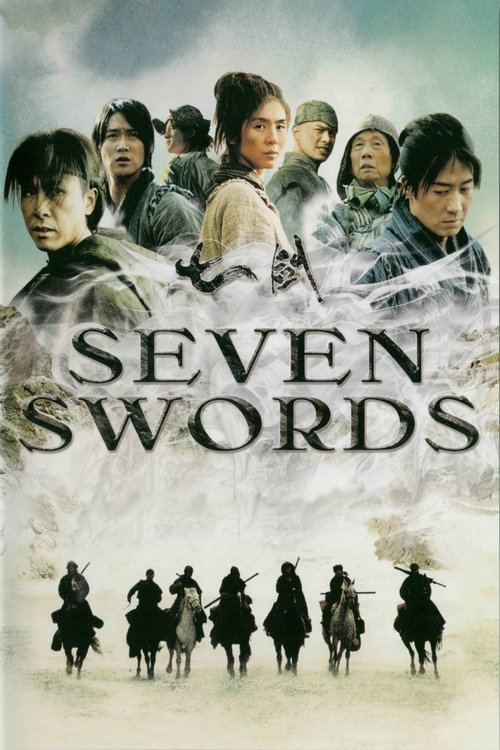
Seven Swords is a period martial arts epic that emphasizes historical conflict and genre clichés over diverse representation. The film explores socioeconomic struggles and political tension through the lens of systemic oppression. While it offers a nuanced look at political and ethnic tensions, it remains tied to traditional demographic structures, particularly regarding gender. Ultimately, the film excels as a critique of systemic oppression but falls short in representing LGBTQ+ or disability issues.
Category Breakdown
The film does not include any LGBTQ+ characters or narratives. It centers on traditional interpersonal relationships within a martial arts context.
The story adheres to a patriarchal martial hierarchy where women mainly hold secondary or domestic roles, while men engage in physical conflict.
The cast is ethnically uniform, set in 17th-century China. It delves into ethnic tensions between the Manchu rulers and the indigenous population.
The narrative criticizes systemic exploitation and the corruption of central authority. It highlights the struggles of peasants against oppressive forces.
There is no intentional depiction of physical or mental disabilities. These themes are not central to character development or ability to act.
Present on Screen
Limited or Absent
Official Synopsis
In the middle of the 17th century, the Manchus conquered China and founded the Ching dynasty. Due to widespread uprisings against the new rulers, the study and practice of traditional martial arts is forbidden and punishable by death. The unscrupulous leader of a troop of mercenaries takes advantage of this situation to make a fortune with the bounty on his head.
1994
1967
2011

1964
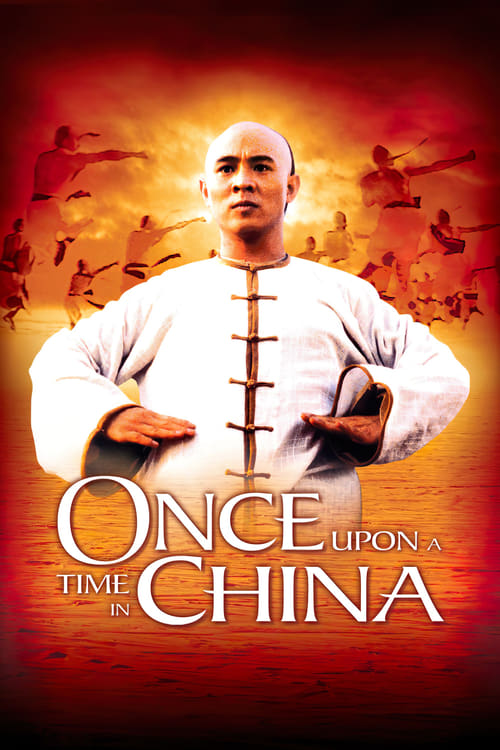
1991
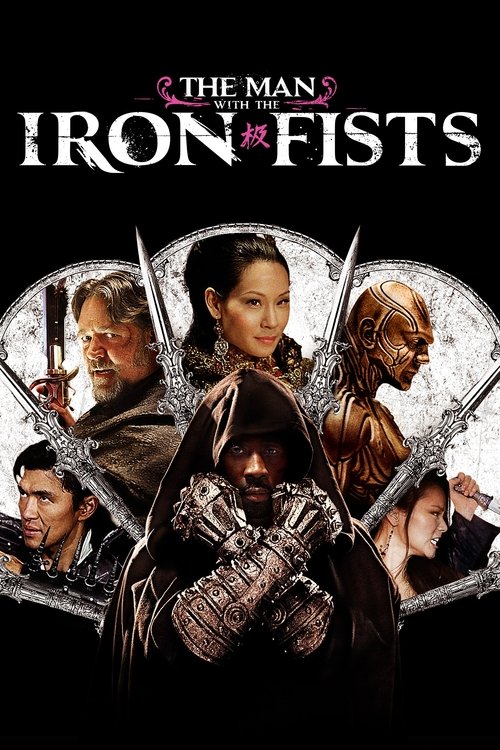
2012

1954
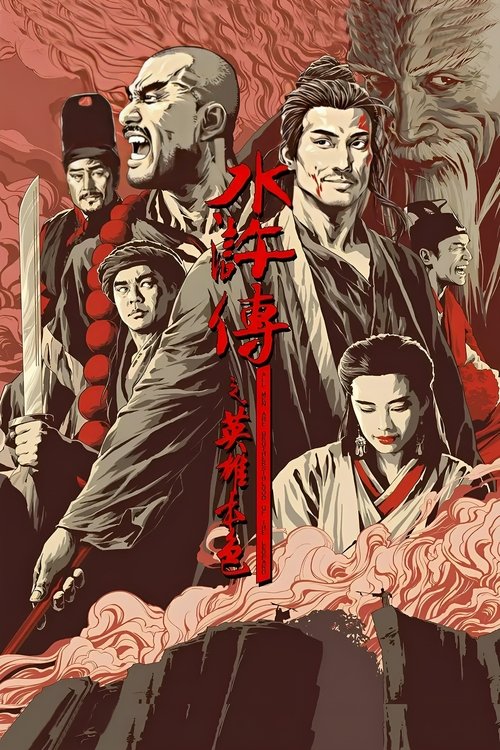
1993
No reviews yet. Be the first to share your thoughts on this movie!
Use the rating form above to leave a star rating and optional review.