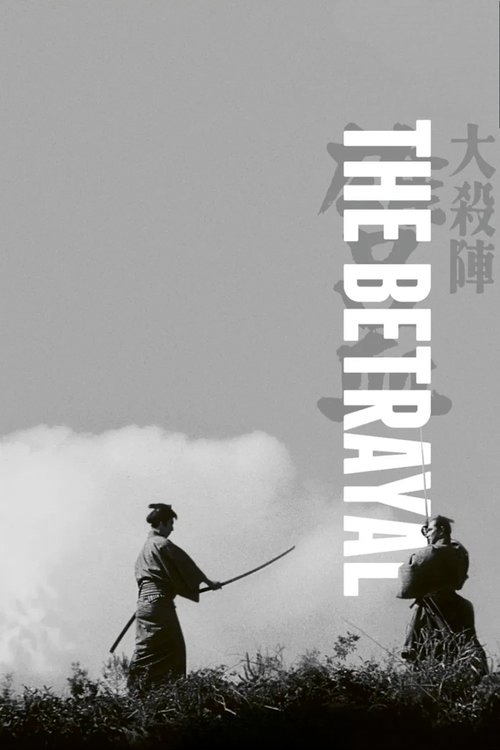
The Betrayal
1966
No user ratings available yet
Representation score: 1.8 out of 10
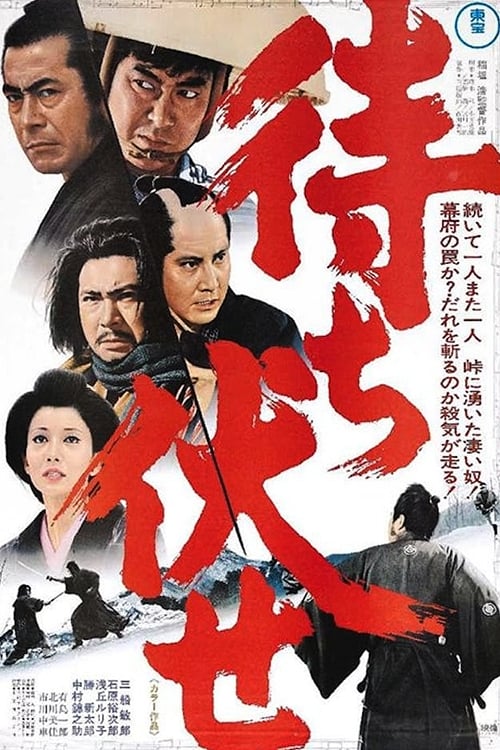
Representation Score
Limited
1970
Not RatedDirector
Hiroshi Inagaki
Runtime
118 minutes
Average Rating
No ratings yetNew Showbiz Analysis
Hiroshi Inagaki’s film functions as a sophisticated period drama that uses the samurai genre to question systemic corruption. While the setting is historically homogeneous, the story finds depth in the tension between rigid duty and individual empathy. The film successfully challenges traditional masculine codes by focusing on the protection of women from domestic abuse. This shifts the focus from simple combat to a complex struggle against a predatory state structure. However, the lack of diverse identities and the reliance on conventional romantic clichés limits its broader representation. It remains a character-driven exploration of honor within a specific, traditional cultural framework.
Category Breakdown
The film does not include explicit LGBTQ+ characters or explore non-straight relationships. The story centers on conventional romance between the main character and a female lead.
A woman escaping an abusive marriage triggers the protagonist's moral dilemma. This shifts the character beyond passive stereotypes by highlighting the impact of patriarchal violence.
Set in Edo-period Japan, the cast reflects the historical uniformity of the time. The film emphasizes class differences rather than modern multi-layered diversity.
The plot critiques institutional corruption through a deceptive shogunate gold shipment. It examines moral relativism as the protagonist navigates the tension between samurai honor and personal ethics.
There are no characters with physical or neurodivergent disabilities in the narrative.
Present on Screen
Limited or Absent
Official Synopsis
In the Edo period, a nameless ronin accepts an assignment to go to a mountain pass and wait. Near the pass he stops at an inn where a collection of characters gather, including a gang set on stealing shogunate gold that's soon to come over the pass. When the Ronin's assignment becomes clear, to help the gang, he's ordered to kill the inn's residents, including a woman he's rescued from an abusive husband. He's reluctant to murder innocent people; then he learns that the gold shipment is a trap and he's part of a double cross. How he sorts through these divided loyalties tests of his samurai honor, and perhaps of his love for a woman.
1966

1964
1960

1972

1968
1965
1959
1970
No reviews yet. Be the first to share your thoughts on this movie!
Use the rating form above to leave a star rating and optional review.