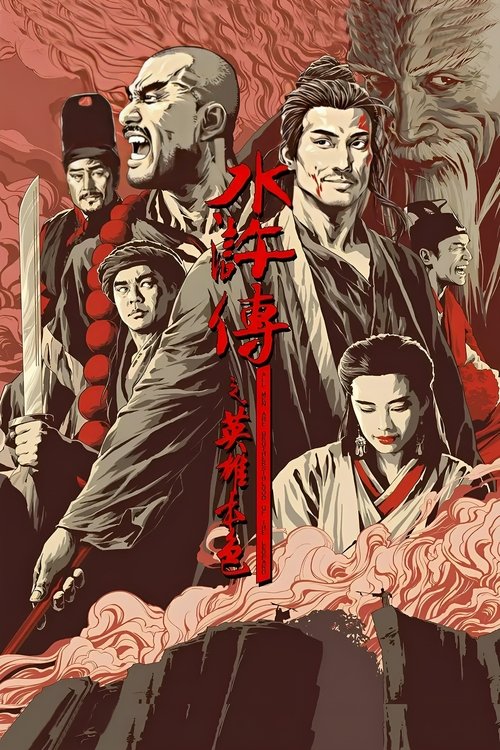
All Men Are Brothers - Blood of the Leopard
1993
No user ratings available yet
Representation score: 2.3 out of 10
Representation Score
Limited
1972
RDirector
Pao Hsueh-Li, Wu Ma, Chang Cheh
Runtime
125 minutes
Average Rating
No ratings yetNew Showbiz Analysis
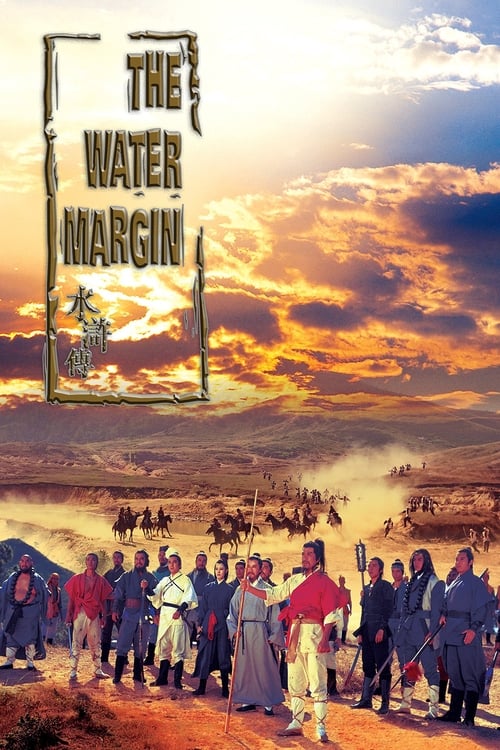
The Water Margin (1972) is a culturally specific period piece that prioritizes anti-authoritarian themes over modern characters who reflect more than one aspect of diversity. While it offers a sophisticated deconstruction of institutional power and systemic corruption, it remains deeply traditional in its social hierarchies. The film's strength lies in its portrayal of underrepresented outlaws resisting a predatory state. However, this narrative focus comes at the expense of gender and LGBTQ+ diversity, as the world is built almost entirely around masculine brotherhood and combat. Ultimately, the film is a study of social resistance that adheres to the rigid gender and social constraints of its era, offering a powerful cultural critique within a very narrow demographic scope.
Category Breakdown
The film focuses exclusively on heterosexual and cisgender relationships, with no depiction of LGBTQ+ identities or same-sex intimacy. There is no representation of non-binary gender identities either.
The narrative operates within a strict patriarchal framework, with almost all roles filled by men. Women play minor roles and do not have the opportunity to drive the plot forward.
The film features a predominantly Chinese cast reflecting its 11th-century setting. It maintains historical authenticity without the multi-ethnic diversity seen in modern cinema.
The story critiques systemic corruption by depicting the ruling class as oppressive. It portrays the outlaws as the moral center through their righteous rebellion.
There is no significant evidence of characters with visible or invisible disabilities. The focus remains on physical perfection and martial skill.
Present on Screen
Limited or Absent
Official Synopsis
The corruption in the Sung Dynasty of 11th century China is so rampant that it inspires a band of Oriental Robin Hoods - the Honorable 108. Mountain bandits who nevertheless live by a scrupulous code of conduct, the Honorable 108 pledge to end the repression of the brutal overlords.
1993
1967
1987

1964
1974

1981
1971

1972
No reviews yet. Be the first to share your thoughts on this movie!
Use the rating form above to leave a star rating and optional review.