
Rhapsody in August
1991
No user ratings available yet
Representation score: 6.2 out of 10
Representation Score
Fair
1955
Director
Akira Kurosawa
Runtime
103 minutes
Average Rating
No ratings yetNew Showbiz Analysis
Kurosawa’s drama is a psychological exploration of existential dread that emphasizes thematic depth over diverse character archetypes. While it does not represent LGBTQ+ identities or ethnic variety, it excels in its sophisticated critique of social and political institutions. The film uses the protagonist's instability to question the perceived normalcy of a world facing nuclear annihilation. However, it remains rooted in mid-century gender hierarchies and a homogeneous social context, functioning more as a localized critique of authority than a diverse ensemble piece.
Category Breakdown
The film does not include any LGBTQ+ characters or stories involving queer relationships or identities.
Female characters serve as stabilizing forces within the home, providing emotional support. The narrative focuses on the breakdown of masculine roles due to geopolitical threats, rather than challenging traditional gender dynamics.
The story centers on Japanese society during the reconstruction period after World War II. It explores themes related to the lasting impacts of Western influence and nuclear hegemony.
The film effectively deconstructs traditional institutions and critiques the status quo. It portrays the protagonist's obsession as a rational response to a terrifying global political situation.
The film delves deeply into the protagonist's descent into paranoia, examining the interplay between personal neurodivergence and systemic trauma without resorting to mocking humor.
Present on Screen
Limited or Absent
Official Synopsis
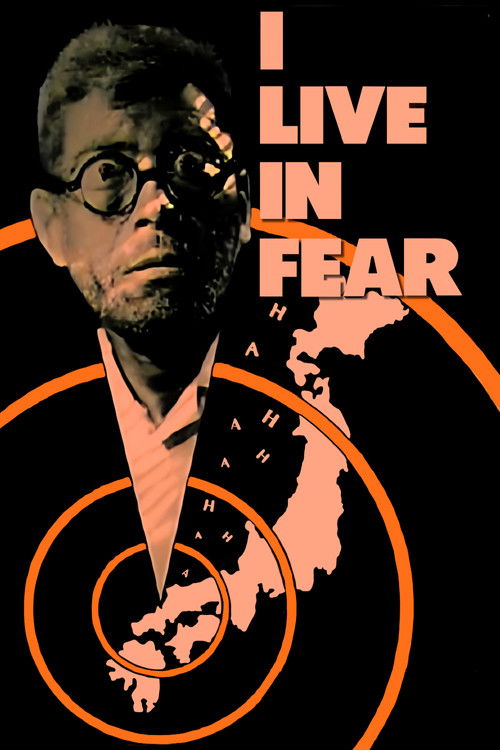
An aging foundry patriarch, gripped by terror of nuclear annihilation, tries to uproot his family to Brazil. When they petition to have him declared incompetent, a family-court counselor witnesses his obsession slide into ruin—and asks whether ignoring the atomic threat is any saner.
1991
1959
1946
1962
1952
1940
1986

1984
No reviews yet. Be the first to share your thoughts on this movie!
Use the rating form above to leave a star rating and optional review.