Double Suicide
1969
No user ratings available yet
Representation score: 5.3 out of 10
Representation Score
Fair
1951
Not RatedDirector
Akira Kurosawa
Runtime
166 minutes
Average Rating
No ratings yetNew Showbiz Analysis
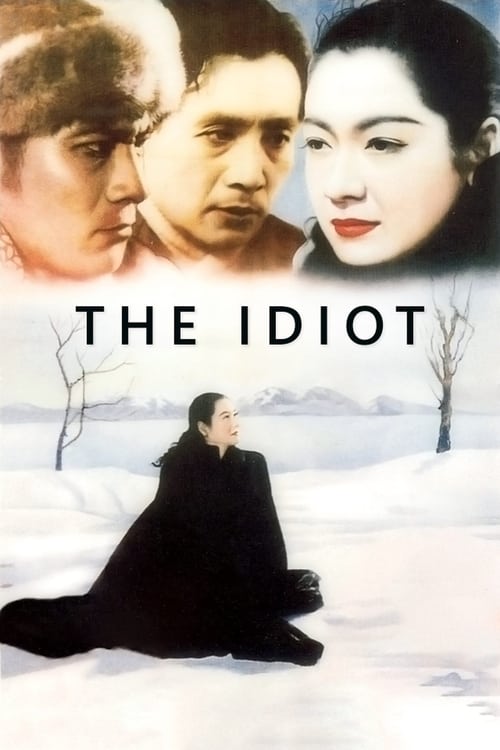
Kurosawa’s adaptation uses a historical backdrop to critique social order. By focusing on a protagonist whose disruptive empathy challenges traditional masculine authority, the film emphasizes individual psychological truth over institutional hierarchy. The film effectively critiques social stability, presenting it as a source of tragedy rather than virtue. Despite a culturally homogeneous cast, it offers a non-Western perspective on a classic Western literary text. However, the film lacks LGBTQ+ representation and adheres to a culturally specific, homogeneous casting. The portrayal of mental instability is rooted in mid-century dramatic characterization rather than modern neurodivergent advocacy.
Category Breakdown
The film centers on four heterosexual relationships and does not include any non-straight or non-cisgender identities. There is no hidden queerness or subtext related to LGBTQ+ identities.
Female characters such as Taeko Nasu and Ayako play key roles in driving the film's emotional storyline. Taeko challenges traditional views of femininity through her complex personal motivations.
With a predominantly Japanese cast, the film offers a culturally unified perspective. It provides a valuable non-Western viewpoint on a classic Western text.
The film criticizes strict social rules and class divisions as dehumanizing. Traditional institutions are portrayed negatively, emphasizing individual empathy over societal mandates.
The story delves into deep psychological issues and mental instability. These internal struggles are central to the plot, highlighting the human experience of inner turmoil.
Present on Screen
Limited or Absent
Official Synopsis
A gentle, war-shattered ex-soldier, Kinji Kameda, arrives in wintry Hokkaidō and is pulled into a volatile tangle of love and pity between the disgraced Taeko Nasu, the proud Ayako, and his possessive friend Akama. Kameda’s saintly compassion exposes everyone’s wounds, steering the quartet toward jealousy, violence, and inexorable tragedy. Adapted from Dostoevsky’s novel.
1969
1978
1961

1957
1956

1927

1973

1945
No reviews yet. Be the first to share your thoughts on this movie!
Use the rating form above to leave a star rating and optional review.