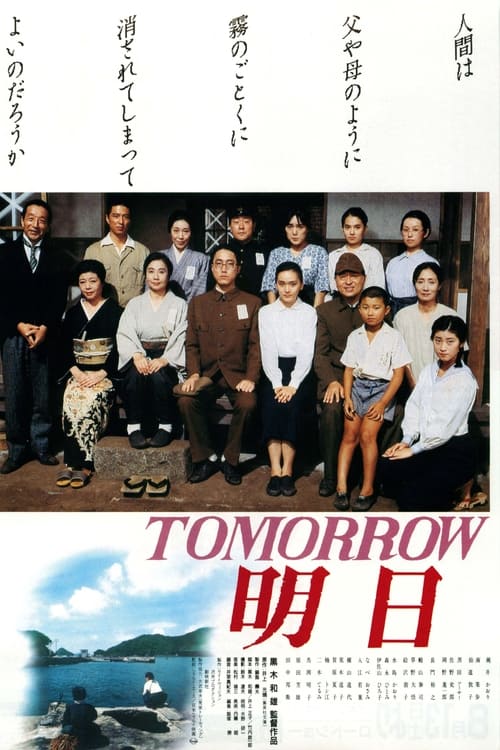
Tomorrow
1988
No user ratings available yet
Representation score: 4.1 out of 10
Representation Score
Fair
2004
Director
Kazuo Kuroki
Runtime
99 minutes
Average Rating
No ratings yetNew Showbiz Analysis
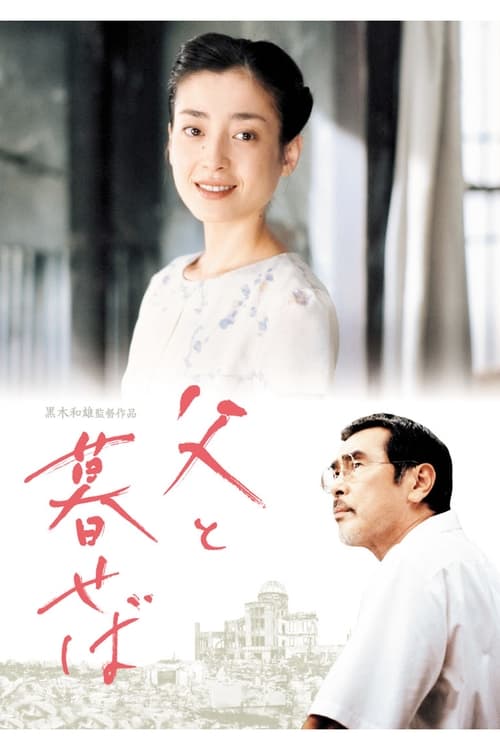
The Face of Jizo is a deeply specific historical drama that prioritizes cultural and psychological depth over modern demographic diversity. It excels at exploring the internal landscape of a survivor, using the protagonist's grief to critique societal pressure to move past systemic violence. While the film lacks representation for LGBTQ+ identities or multi-ethnic casts, these absences feel consistent with its mid-century Japanese setting. The work succeeds by centering a non-Western perspective on a global tragedy, offering a complex look at how history shapes individual morality. Ultimately, the film trades broad demographic variety for a profound, nuanced exploration of trauma and cultural identity.
Category Breakdown
The film adheres to a traditional mid-century Japanese social framework. There is no explicit representation of LGBTQ+ identities or narratives that question the assumption that everyone is straight or cisgender.
The story focuses on Mitsué's emotional journey and her relationship with her father. While she plays a significant role in driving the story, the social structures depicted are rooted in traditional patriarchal hierarchies.
The film features a culturally homogeneous Japanese cast, reflecting the post-war rural setting. It avoids the Western norm by centering a non-Western perspective on historical tragedy.
The narrative critiques traditional institutions through survivor guilt. Buddhist iconography, particularly Jizo, serves as a nuanced spiritual anchor rather than a simple moral lesson.
The film does not focus on physical or neurodivergent disabilities. Instead, it explores the psychological trauma and mental health impacts of surviving a nuclear catastrophe.
Present on Screen
Limited or Absent
Official Synopsis
Based on a play by Hisashi Inoue, it focuses on the sufferings of the survivors of Hiroshima. The film takes place during 4 days in the summer of 1948, as the ghost of her father visits Mitsué (Rié Miyama). He had somehow learned that she has fallen in love, and tries to convince her to start her new life. But Mitsué obstinately refuses his warm and humorous encouragements : « People were killed in my place. I do not have the right to find happiness », she says.
1988
1989
1991
2015
2003
2006
1983
2016
No reviews yet. Be the first to share your thoughts on this movie!
Use the rating form above to leave a star rating and optional review.