
The Mad Parade
1931
No user ratings available yet
No diversity score available
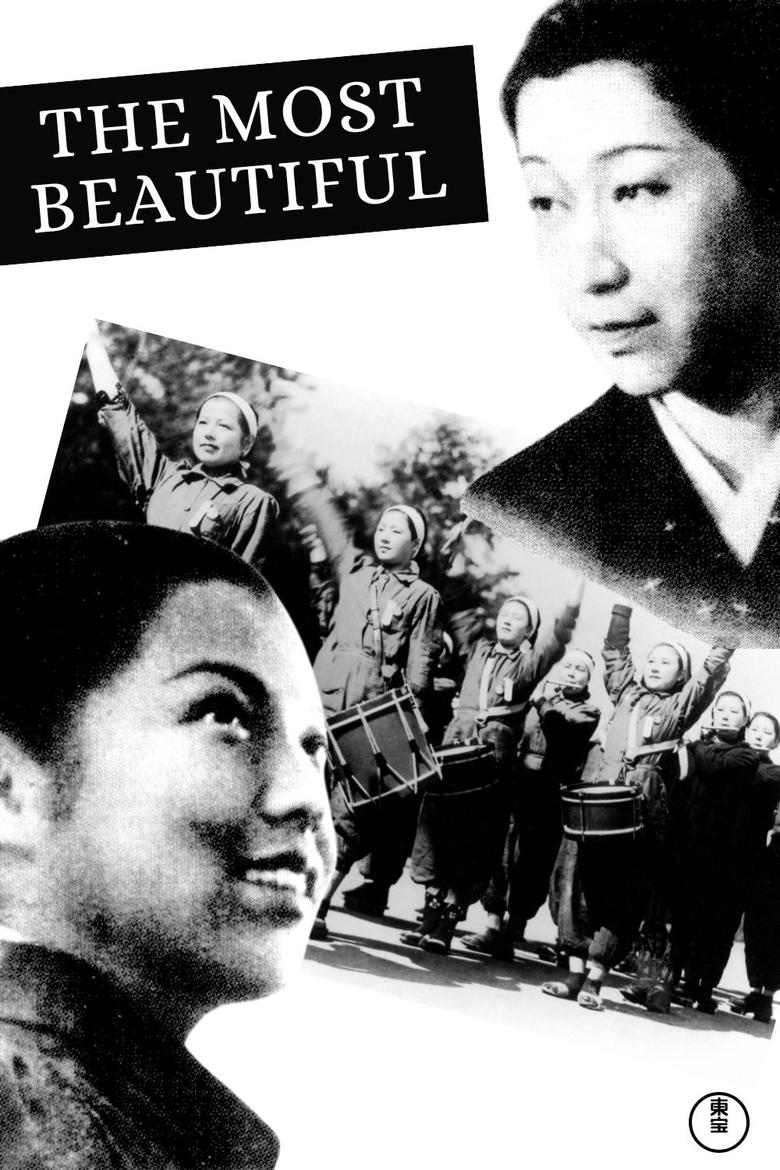
1944
Not RatedDirector
Akira Kurosawa
Runtime
85 minutes
Average Rating
No ratings yetSynopsis
Young women at a precision optics factory in wartime Japan push to exceed production quotas, enduring illness, injury, and personal hardship to “serve the country.” Led by Tsuru Watanabe, they fight fatigue and setbacks to keep their line moving—even when duty collides with grief.
Overall Score
Fair
Category Breakdown
LGBTQ+ Representation
The film adheres to a traditional social framework with no visible non-cisnormative identities. Character dynamics focus on communal female solidarity rather than individual queer narratives.
Gender Representation
Women are depicted as primary drivers of the plot through technical competence and resilience. The film challenges domestic tropes by centering female agency within a high-stakes industrial environment.
Racial & Ethnic Diversity
The cast is ethnically homogeneous, reflecting the historical reality of a domestic Japanese production. It lacks intersectional breadth but serves as a foundational text for Japanese cinematic identity.
Religious & Cultural Diversity
The narrative highlights the grueling reality of the working class and the toll of state-driven quotas. It prioritizes the lived experience of laborers over idealized patriotism.
Disability Representation
Physical vulnerabilities, including illness and injury, are portrayed with realism. These struggles are framed as inherent components of professional sacrifice rather than exploitative tropes.
Strengths
Areas for Improvement
AI Analysis
Kurosawa’s wartime drama stands out for its sophisticated treatment of gendered labor. By placing women at the center of a precision optics factory, the film grants them significant narrative authority and technical agency, moving beyond passive domestic roles. However, the film is constrained by its 1944 production context. The lack of racial and LGBTQ+ diversity reflects the era's social homogeneity and the film's focus on a specific national mobilization effort. Ultimately, the work succeeds in humanizing the industrial machine. It balances the pressures of wartime duty with a grounded look at the physical and mental costs borne by the female workforce.
1931

1971

1960

2019

1985
1962
1962
1973
1959

1959

1986
1945
No reviews yet. Be the first to share your thoughts on this movie!
Use the rating form above to leave a star rating and optional review.