Even the Clouds Are Drifting
1959
No user ratings available yet
Representation score: 4.0 out of 10
Representation Score
Good
1961
Not RatedDirector
Yu Hyun-mok
Runtime
108 minutes
Average Rating
No ratings yetNew Showbiz Analysis
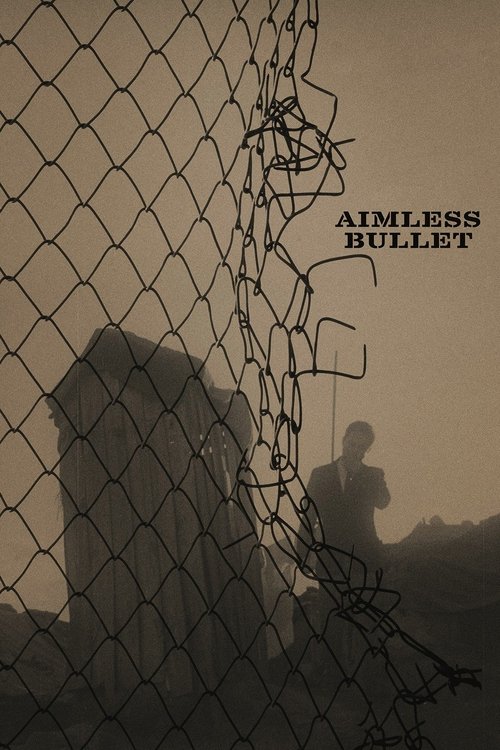
Aimless Bullet is a gritty, realistic exploration of identity and survival in post-war Korea. It avoids idealized cultural clichés in favor of a profound critique of societal structures and the systemic oppression inherent in reconstruction. The film's strength lies in its deconstruction of the national dream, using characters' struggles to expose the decay of traditional institutions. It prioritizes social realism over conventional optimism. However, the work is limited by the era's structural constraints, showing little representation of LGBTQ+ identities or diverse gender roles beyond the domestic sphere.
Category Breakdown
The film does not include any LGBTQ+ characters or narratives that challenge straight-centered assumptions. Instead, it focuses on the socio-economic survival of the nuclear family in post-war settings.
Women are portrayed within the context of post-war domestic life. While the pregnant wife's struggles highlight the precarious nature of women's autonomy, the film does not show women challenging traditional roles.
The cast is culturally uniform, reflecting the post-war focus on Korean society. It avoids a Western-centric perspective by emphasizing the lived experiences of Korean citizens.
The film offers a powerful critique of traditional institutions and the social contract. It portrays the breakdown of family and state stability in the aftermath of war.
Yong-ho’s status as a wounded veteran provides significant narrative ability to act. His physical and psychological trauma underscores the systemic failure to reintegrate veterans into society.
Present on Screen
Limited or Absent
Official Synopsis
Two brothers—Cheol-ho, an accountant with a toothache and a pregnant wife, and Yong-ho, an unemployed ex-soldier wounded in battle—navigate life in post-war Korea.
1959
2001

1961

1959
1986
1962
1946

1958
No reviews yet. Be the first to share your thoughts on this movie!
Use the rating form above to leave a star rating and optional review.