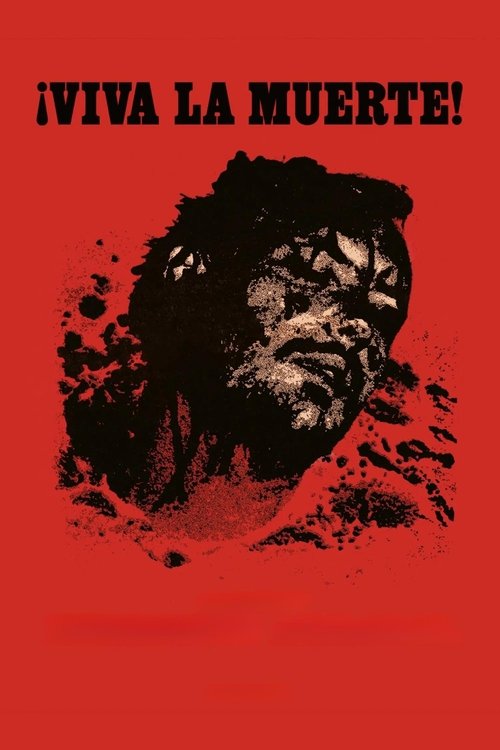
Long Live Death
1971
No user ratings available yet
Diversity score: 5.2 out of 10
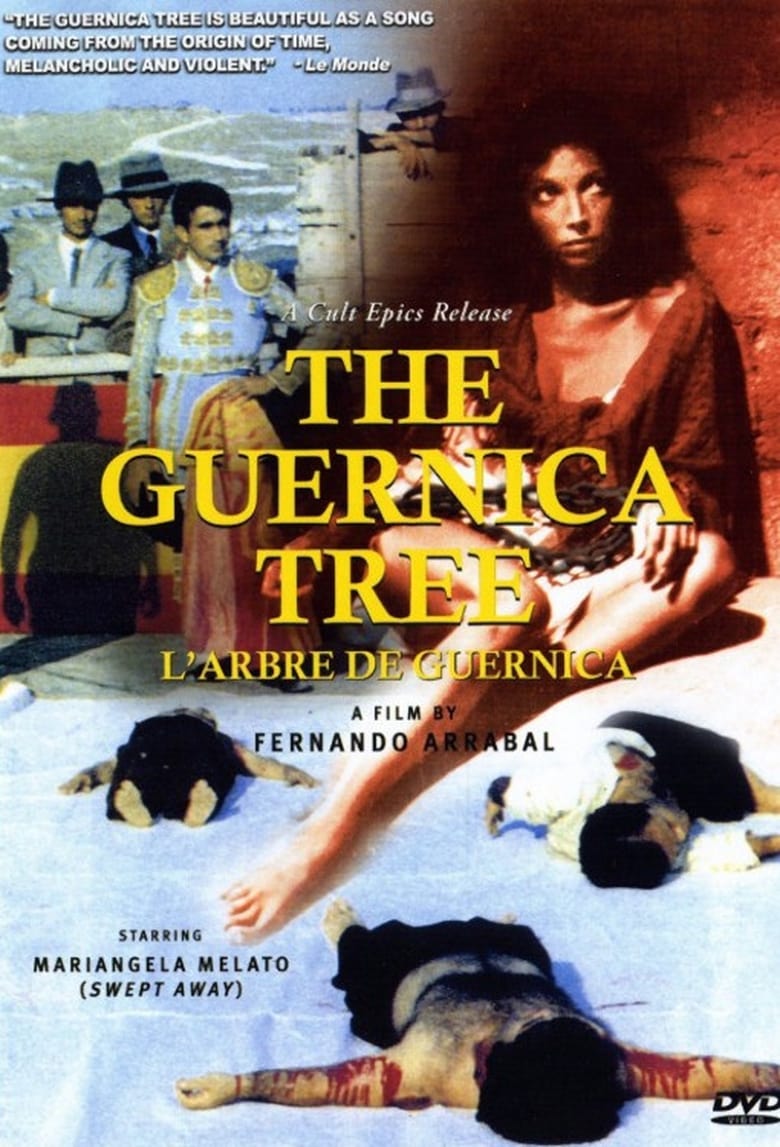
1975
Not RatedDirector
Fernando Arrabal
Runtime
110 minutes
Average Rating
No ratings yetSynopsis
The fictional town of Villa Romero is the set upon which the events of Spain's civil war play out. Villa Romero is home to Vandale (Mariangela Melato) a witch, count Cerralbo (Bento Urago) a powerless land baron, and his four sons. Three of Cerralbo's sons are ruthless sadists who pillage the countryside, but the fourth, Goya (Ron Faber), is an artist challenging authority and the church.
Overall Score
Fair
Category Breakdown
LGBTQ+ Representation
The film lacks explicit LGBTQ+ characters or narratives. Its surrealist framework focuses on existential and political chaos rather than specific sexual identity politics.
Gender Representation
Gender hierarchies are disrupted through surrealist imagery. Characters like the witch Vandale and the inept, sadistic sons of the land baron undermine traditional feminine and masculine archetypes.
Racial & Ethnic Diversity
The story is a localized exploration of Spanish historical trauma. It lacks a non-white majority or deliberate intersectional racial representation, focusing instead on geopolitical ethnic struggle.
Religious & Cultural Diversity
The film excels at critiquing Western institutional power. Through Goya, it uses art to challenge the hegemony of both the Church and state authority.
Disability Representation
Distorted physical imagery is used as a symbolic tool of the Panic movement. These depictions serve surrealist expression rather than providing agency to characters with disabilities.
Strengths
Areas for Improvement
AI Analysis
The film functions as a postmodern critique of power, using absurdity to deconstruct the Spanish Civil War. It prioritizes the subversion of authority and the fragmentation of moral certainty over traditional storytelling. While the work lacks contemporary demographic breadth, its strength lies in its intellectual architecture. It dismantles established hierarchies—family, religion, and state—viewing them as engines of oppression rather than pillars of stability. Ultimately, the film is a significant work of cinematic deconstruction. It favors the dismantling of social norms and the exploration of historical trauma through a highly relativistic lens.
1971
1965
1986
1940
1962
1949

1960
1946
1985
1959
1948

1971
No reviews yet. Be the first to share your thoughts on this movie!
Use the rating form above to leave a star rating and optional review.