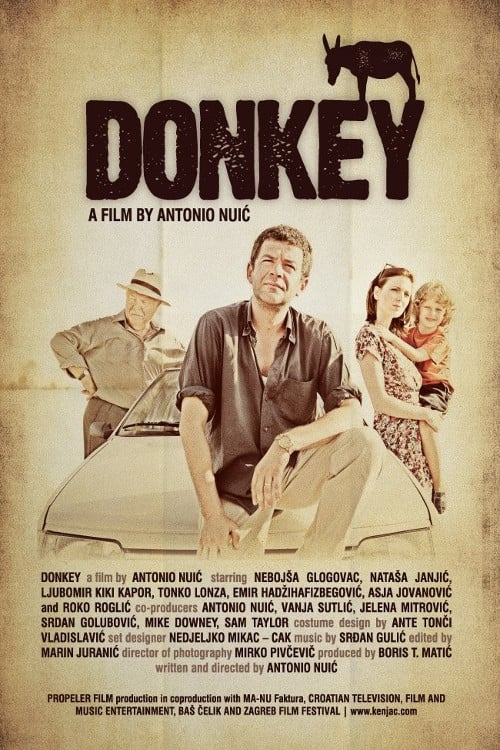
Donkey
2009
No user ratings available yet
Representation score: 7.3 out of 10

Representation Score
Fair
1971
Director
Radivoje 'Lola' Đukić
Runtime
86 minutes
Average Rating
No ratings yetNew Showbiz Analysis
The film operates as a character study of personal trauma and the breakdown of societal structures. It avoids the idealized, patriotic clichés common in mid-century war dramas, opting instead for a fragmented view of human connections. While the film lacks progressive identity markers, it offers a nuanced perspective on how conflict affects families. The focus on moral relativism and the dissolution of traditional roles provides a complex view of duty and identity. Ultimately, the work emphasizes regional identity and the psychological impact of betrayal over broad, inclusive representation of diverse social groups.
Category Breakdown
The film does not include explicit representations of LGBTQ+ identities or same-sex relationships. It focuses on a traditional family unit made up of a father, mother, and son.
The story revolves around a male protagonist's emotional journey, which is driven by a patriarchal crisis. The female character mainly serves as a catalyst for the male protagonist’s development rather than having her own independent role.
Set in Montenegro, the film examines the clash between opposing factions, highlighting ethnic and political identities as key factors in the region's conflicts.
The narrative questions traditional social cohesion by focusing on individual disillusionment. It portrays war as a tragic event rather than a means for patriotic heroism.
The film does not depict any physical or neurodivergent disabilities.
Present on Screen
Limited or Absent
Official Synopsis
Deeply hurt by his wife's adultery, a man leaves her and his son to live high up alone in the mountains of Montenegro. Many years later, the war breaks out and the two enemy factions must cross the very mountain. One of them seeks the man's help to find a path through the snow. Later that day, he finds out that one of the other side's members is no other than his son.
2009
1970
1980
1996
1978

2000
1971
1965
No reviews yet. Be the first to share your thoughts on this movie!
Use the rating form above to leave a star rating and optional review.