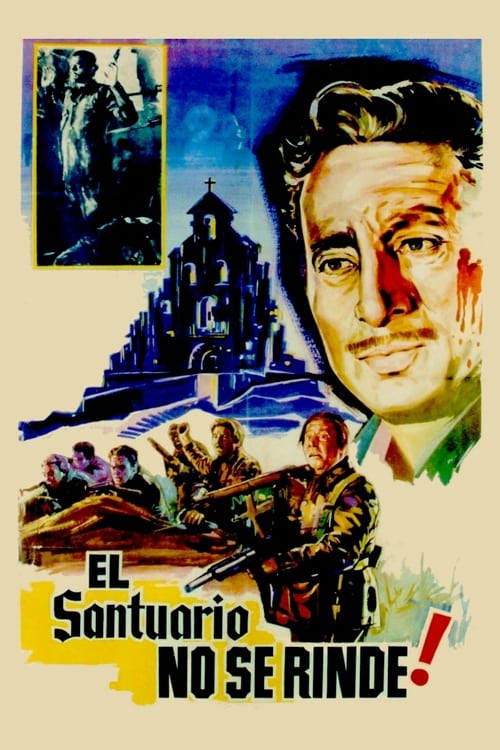
El santuario no se rinde
1949
No user ratings available yet
Diversity score: 4.4 out of 10

1986
Director
Fernando Trueba
Runtime
105 minutes
Average Rating
No ratings yetSynopsis
April, 1940. Manolo, 16 years old, and Jesus, who is just 8, are taken by their older brother Pepe, a lieutenant in the Army, to a sanatorium for children suffering from tuberculosis, situated on the border with Portugal. Once in the sanatorium, Manolo, surrounded by boys all much younger than he is, feels a bit like the cock of the walk since the only other man around is the handyman Emilio who looks after the gardens and does whatever needs to be done about the place. His wife, Rafaela, is the cook. Manolo meets Irene, a falangist who runs the sanatorium, and the school teacher, Miss Transito, a crabby spinster. He has his first sexual experience, albeit as a voyeur, with his nurse Vicenta. When she has to leave, her place is taken by a girl from the village, Maria Jesus, with whom Manolo falls hopelessly in love. A relationship grows up between them which will mark them both for ever.
Overall Score
Fair
Category Breakdown
LGBTQ+ Representation
The story centers on Manolo's heterosexual sexual awakening. It lacks explicit non-cisnormative identities or narratives that critique heteronormativity, remaining within traditional romantic frameworks.
Gender Representation
Women occupy various roles, from the authoritative Irene to the traditional Miss Transito. While female characters influence the protagonist's growth, the film does not prioritize subverting masculine leadership.
Racial & Ethnic Diversity
The cast reflects the demographic homogeneity of 1940s Spain. The narrative is deeply rooted in the specific socio-political realities of the Spanish borderlands, featuring a primarily white/European cast.
Religious & Cultural Diversity
The film critiques institutional rigidity by highlighting political polarization and Falangist presence. It uses the era's tensions to question the stability of traditional Spanish social structures.
Disability Representation
Tuberculosis serves as a backdrop of physical vulnerability and a plot catalyst. However, illness is treated as an environmental factor rather than a primary identity marker for the characters.
Strengths
Areas for Improvement
AI Analysis
The film functions as a period-accurate historical drama that prioritizes the socio-political atmosphere of 1940s Spain over modern intersectional representation. It succeeds in using a specific setting to examine how individuals navigate systemic upheaval and the erosion of authority. While the narrative avoids one-dimensional archetypes, it remains constrained by its historical context. The lack of racial and LGBTQ+ diversity is a reflection of the era's homogeneity rather than a failure of character depth. Ultimately, the film's strength lies in its nuanced exploration of human connection and the fragility of social cohesion during a time of intense political tension.
1949

1965
1962
1983
1978

1960
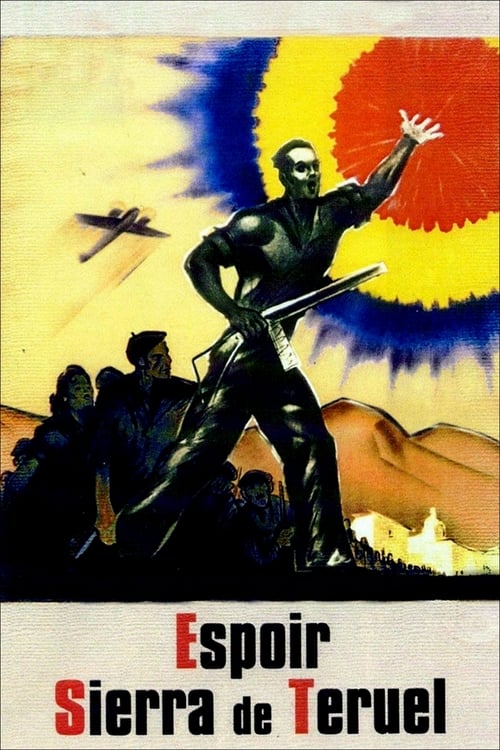
1940
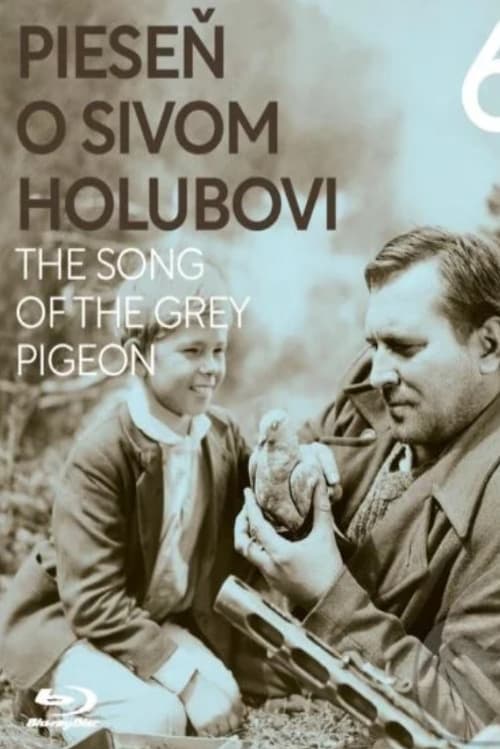
1961

1959
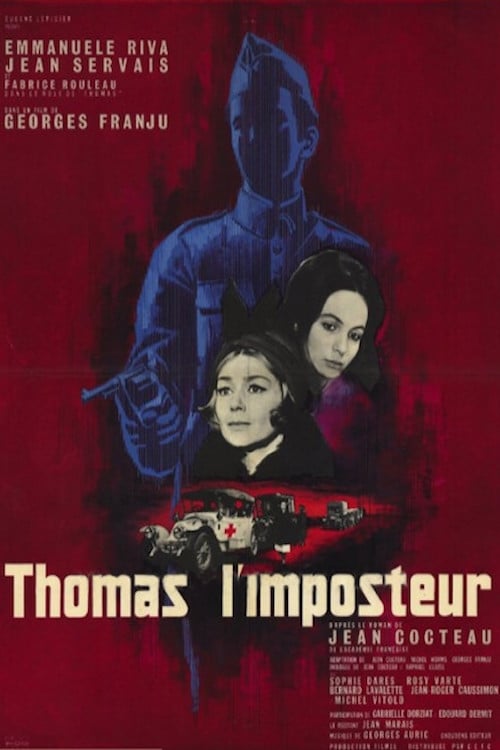
1965
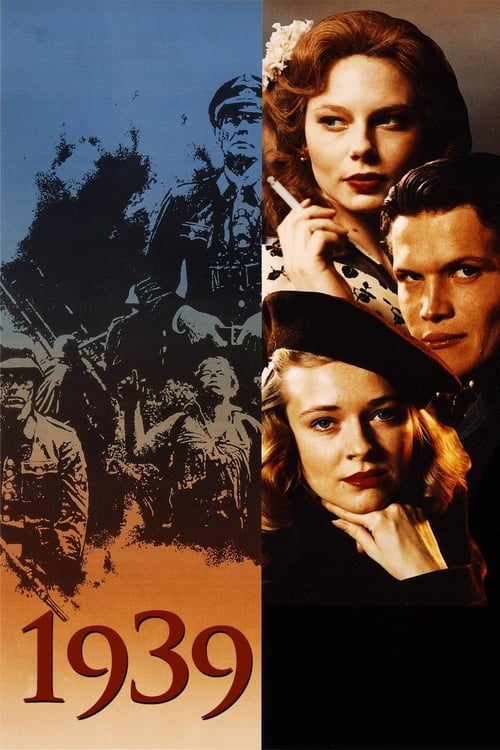
1989
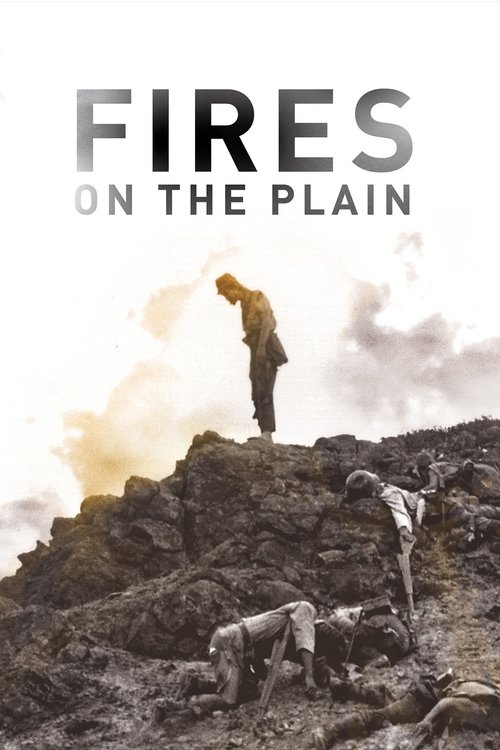
1959
No reviews yet. Be the first to share your thoughts on this movie!
Use the rating form above to leave a star rating and optional review.