
The Shop on Main Street
1965
No user ratings available yet
Representation score: 4.6 out of 10

Representation Score
Good
1959
Director
Konrad Wolf
Runtime
92 minutes
Average Rating
No ratings yetNew Showbiz Analysis
Stars shifts the focus of the war genre from combat to the ethical weight of the internee experience. It uses the Jewish diaspora to critique institutionalized violence and the dominant Wehrmacht structure. The film's strength lies in its intentionality, using socialist humanism to challenge traditional wartime hierarchies. It prioritizes the real impact of underrepresented groups over the dominance of the state. However, the work is limited by the social norms of 1959, resulting in a lack of LGBTQ+ representation and a narrow focus on the physical tolls of war rather than specific disability narratives.
Category Breakdown
The film does not include any non-straight relationships or identities. The narrative centers on the humanitarian crisis and the bonds formed during wartime.
Female characters such as Ruth and the pregnant internee play significant roles in driving the film's ethical trajectory through empathy and active participation.
The film offers a detailed look at Jewish internees in a Bulgarian transit camp, critiquing the Wehrmacht power structure by highlighting the experiences of underrepresented ethnic groups.
The story emphasizes secular, socialist humanism over religious doctrine. It critiques traditional Western power structures and the mechanisms of the Third Reich through a lens of collective struggle.
While the film does not center on specific disabilities, it explores the physical and psychological trauma of war, focusing on the vulnerability of individuals under systemic neglect.
Present on Screen
Limited or Absent
Official Synopsis
Stationed in a secluded Bulgarian village in 1943, Walter – a German Wehrmacht sergeant and artist – lives in almost idyllic distance from the war. Then a transit camp is set up for Jews arriving from Greece. When Ruth, one of the internees, asks Walter to help a pregnant woman, the two form an unlikely bond.
1965

1960

1960

2001

1963
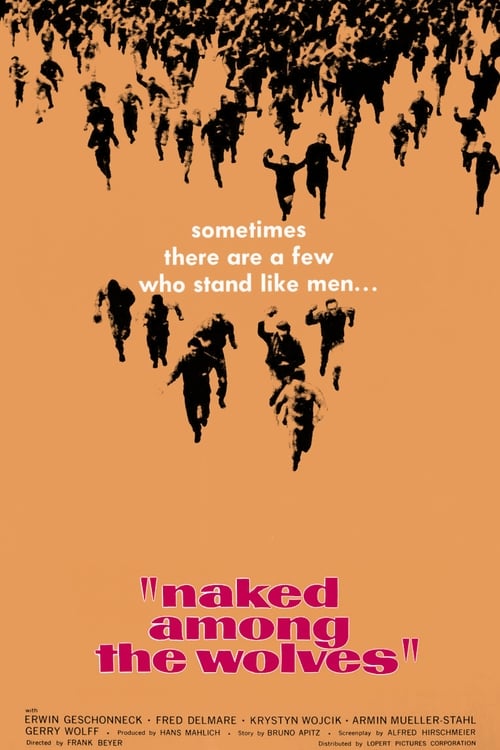
1963

2007

2012
No reviews yet. Be the first to share your thoughts on this movie!
Use the rating form above to leave a star rating and optional review.