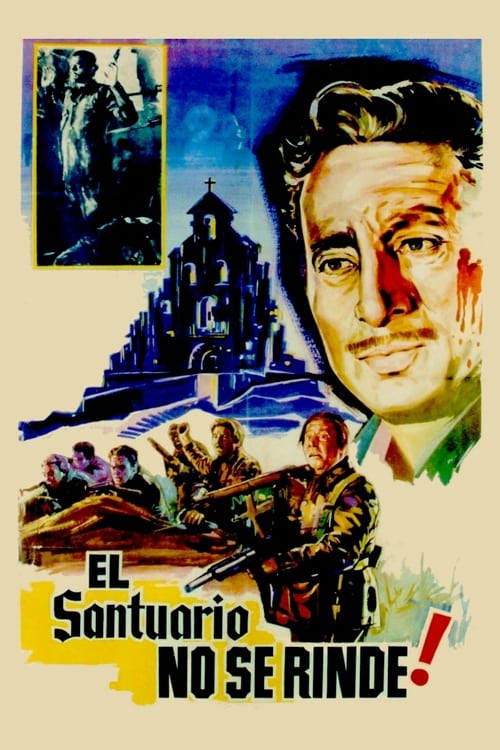
Days of Hope
1940
No user ratings available yet
Representation score: 7.6 out of 10
Representation Score
Good
1949
Director
Arturo Ruiz Castillo
Runtime
97 minutes
Average Rating
No ratings yetNew Showbiz Analysis
The film functions as a psychological wartime drama that emphasizes internal experiences over broad demographic representation. It excels in its focus on a female protagonist's subjective reality and the exploration of cognitive disability through amnesia. However, the work remains limited by the era's social context, showing little to no racial or LGBTQ+ diversity. The narrative structure adheres to traditional wartime hierarchies and demographic patterns common to 1940s Spanish cinema. Ultimately, the film's complexity lies in its treatment of memory and ideological conflict rather than its representation of diverse social identities.
Category Breakdown
The film does not include any queer narratives or representations of non-straight identities. The interpersonal relationships focus on traditional wartime companionship and loss.
Maria Fuenterreal serves as the emotional and structural center of the story. Her struggle with amnesia adds psychological depth, disrupting typical male-centric war clichés.
The production reflects the demographic homogeneity of 1949 Spain. There is no evidence of diverse casting or racial blending within the narrative.
The film examines ideological friction through characters with extreme views. It uses a religious sanctuary as a complex setting for both spiritual refuge and political upheaval.
Amnesia is treated as a central narrative element rather than a mere plot device. The film explores the lived experience of cognitive fragmentation and neurological trauma.
Present on Screen
Limited or Absent
Official Synopsis
Maria Fuenterreal remembers the days of resistance in the sanctuary of the Virgen de la Cabeza. There she met Aracil, a man of extremist ideas who saved her from the enemy troops, and then Captain Cortes, who died in the final battle with most of the defenders. After the battle, Maria suffers a bout of amnesia and Aracil escapes.
1940

1945

1945
1970
1970

1942
1964
1986
No reviews yet. Be the first to share your thoughts on this movie!
Use the rating form above to leave a star rating and optional review.